


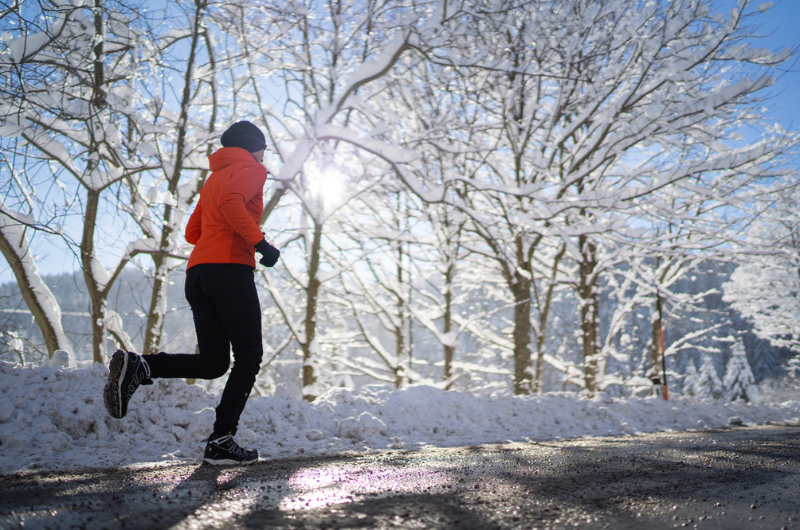
As winter descends across India, bringing with it a crisp chill and often a welcome respite from the heat, many fitness enthusiasts embrace the season as the perfect time to hit the running tracks. The cooler temperatures make for invigorating runs, offering a refreshing change of pace. However, this same season often presents a unique set of challenges, particularly concerning air quality and the impact of cold air on our respiratory systems. Protecting your lung health becomes paramount, ensuring your winter runs remain a source of vitality rather than a potential risk.
Understanding the Winter Challenge for Indian Runners
The Indian winter landscape is diverse, but a common thread, especially in urban areas, is the presence of ambient air pollution, often exacerbated by meteorological conditions. Cold air is denser and can trap pollutants closer to the ground, leading to the infamous winter smog that blankets many of our cities. Particulate matter, particularly PM2.5, can penetrate deep into the lungs, causing irritation, inflammation, and potentially long-term damage. For runners, who inhale more deeply and frequently, this exposure is amplified.
Beyond pollution, the sheer coldness of the air can also irritate the airways. Our lungs prefer warm, moist air, and inhaling cold, dry air directly can trigger bronchospasms, making breathing difficult and potentially exacerbating conditions like asthma. This combination of cold air and elevated pollution levels makes winter running a nuanced activity that requires mindful preparation and execution to safeguard respiratory health.
Strategic Steps for Protecting Your Lungs
To continue enjoying your winter runs without compromising lung health, adopting a strategic approach is essential. It’s about being prepared and understanding the environmental factors at play.
Timing and Location are Key
One of the most effective strategies is to be vigilant about the Air Quality Index (AQI). Before heading out, check local AQI reports available through various apps and government websites. On days with “poor” or “very poor” AQI, especially in major cities like Delhi, Mumbai, or Bengaluru, it might be wiser to opt for indoor workouts or postpone your run. If the AQI is acceptable, consider running during mid-morning or late afternoon, as pollution levels often peak during early mornings and late evenings. Additionally, choosing routes away from heavy traffic areas, in parks or quieter residential zones, can significantly reduce your exposure to vehicular emissions.
Gear Up Wisely
Your running attire should extend beyond comfort and warmth to include lung protection. Wearing a lightweight scarf, a balaclava, or a specialized running mask (like an N95 or N99 mask designed for particulate filtration) can make a substantial difference. A scarf or balaclava helps warm and humidify the air before it reaches your lungs, while a proper mask can filter out harmful pollutants. Ensure your mask fits snugly without restricting breath flow excessively during exertion. Remember, not all masks are created equal; choose one specifically designed for outdoor athletic activity and pollution protection.
Master Your Breath and Pace
Practicing nasal breathing as much as possible during your run can be incredibly beneficial. Your nose acts as a natural filter, warming and humidifying the air before it enters your lungs. While intense efforts might necessitate mouth breathing, try to maintain a pace where nasal breathing is comfortable. Also, avoid pushing yourself too hard on particularly cold or polluted days. A moderate, steady pace reduces the volume of air you inhale and places less stress on your respiratory system.
Regular warm-ups and cool-downs are always important, but especially so in winter. A gradual warm-up prepares your respiratory system for the increased demand, while a cool-down helps your body slowly return to its resting state, preventing sudden shock to the airways.
“In our unique Indian context, winter running requires more than just physical endurance; it demands environmental awareness and a proactive approach to respiratory care,” advises Dr. Rhea Sharma, a pulmonologist based in Mumbai. “Simple measures like checking the AQI, wearing appropriate masks, and listening to your body can make all the difference in sustaining a healthy running habit through the colder months.”
Hydration and Nutrition
Staying well-hydrated is crucial for maintaining moist mucous membranes in your airways, which helps them function optimally and defend against irritants. Drink plenty of water before, during, and after your run. Incorporate immunity-boosting foods rich in Vitamin C and antioxidants into your diet to support overall lung health and resilience against environmental stressors.
Listen to Your Body
Perhaps the most critical advice is to pay attention to your body’s signals. If you experience persistent coughing, wheezing, shortness of breath, or chest discomfort during or after your run, it’s a clear sign to slow down, stop, or even consult a doctor. Pushing through discomfort, especially when your lungs are under stress, can lead to more severe issues.
Winter running in India offers an unparalleled experience, but it also calls for heightened awareness regarding lung health. By embracing a proactive approach – checking air quality, wearing appropriate gear, adopting mindful breathing techniques, and listening to your body – you can continue to enjoy the invigorating benefits of running throughout the colder months. Prioritizing your respiratory well-being ensures that each stride contributes to your health, not detracts from it, allowing you to breathe easier and run stronger all winter long.

