


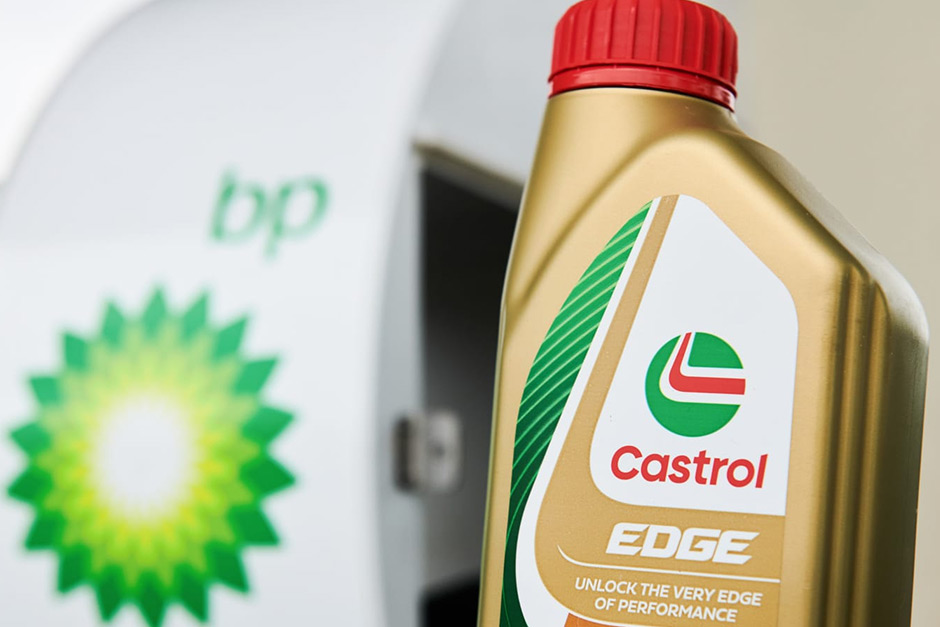
For generations, the iconic green bottle of Castrol motor oil has been a familiar sight in garages, workshops, and auto stores around the globe. It’s a brand synonymous with performance, reliability, and a rich automotive heritage. But even the most enduring brands aren’t immune to change, especially when they’re part of a larger energy giant navigating a transforming world. The recent news that BP plans to sell a 65% stake in its venerable Castrol business, valued at $10 billion, signals a monumental shift, not just for the companies involved, but for the future of both energy and consumer brands.
BP’s Green Shift: Trading Oil for Oomph
At its core, this move isn’t just about selling off an asset; it’s a profound strategic recalibration for BP. The energy behemoth has been charting an ambitious course towards a greener future, aiming to pivot significantly towards renewable energy and lower-carbon solutions. While Castrol is a highly profitable and globally recognized brand, its deep roots in the internal combustion engine market, while evolving, don’t perfectly align with BP’s accelerated push towards decarbonization.
Divesting a majority stake in Castrol offers BP a substantial capital injection, allowing them to reinvest in projects that are central to their future vision – think offshore wind farms, hydrogen production, and electric vehicle charging infrastructure. It’s a calculated decision that underscores the immense pressure and opportunity for traditional energy companies to transform their portfolios. It’s a clear signal that the world’s energy landscape is changing, and even giants like BP are making bold moves to stay ahead of the curve, even if it means letting go of a beloved, high-performing segment.
The Future of Castrol: Same Legacy, New Chapter?
The question on many consumers’ minds, especially those who’ve faithfully poured Castrol into their engines for years, is: what does this mean for the brand itself? While BP is selling a majority share, they will retain a 35% stake, suggesting a continued, albeit reduced, interest and potentially a strategic partnership with the new majority owner. This isn’t a complete abandonment but rather a restructuring that could open new doors for Castrol.
The $10 billion valuation of Castrol as a business speaks volumes about its strength and market position. Any new majority owner will undoubtedly recognize the immense value in its brand equity, technological expertise, and global distribution network. It’s likely that they will seek to leverage and build upon this foundation, rather than dismantle it.
As Maria Sanchez, a dedicated car enthusiast and long-time Castrol user, remarked, “I’ve always trusted Castrol for its reliability; it’s practically a staple in my garage. I just hope this change allows them to continue innovating and providing the quality we’ve come to expect, no matter who’s at the helm.” Her sentiment reflects a common hope that the brand’s essence and quality will endure.
A Trend Towards Specialization and Reinvention
BP’s decision to shed a significant portion of its Castrol business is part of a broader trend we’re witnessing across various industries. Large conglomerates are increasingly streamlining their operations, focusing on core competencies, and divesting non-strategic assets to fund future growth areas. It’s about agility, efficiency, and a sharper focus in an increasingly complex global economy.
For Castrol, this could mean a newfound independence to pursue its own growth strategies, potentially exploring new lubricant technologies for electric vehicles, industrial applications, or even diversifying into adjacent markets, unconstrained by the broader strategic priorities of an oil and gas major. It’s an opportunity for a heritage brand to write its next chapter, powered by new ownership and a renewed sense of purpose.
Ultimately, this isn’t just a business transaction; it’s a testament to how even the most established companies and brands must adapt to stay relevant. The sale of Castrol is a powerful reminder that in today’s dynamic world, change isn’t just inevitable – it’s often the catalyst for innovation and enduring success.

