


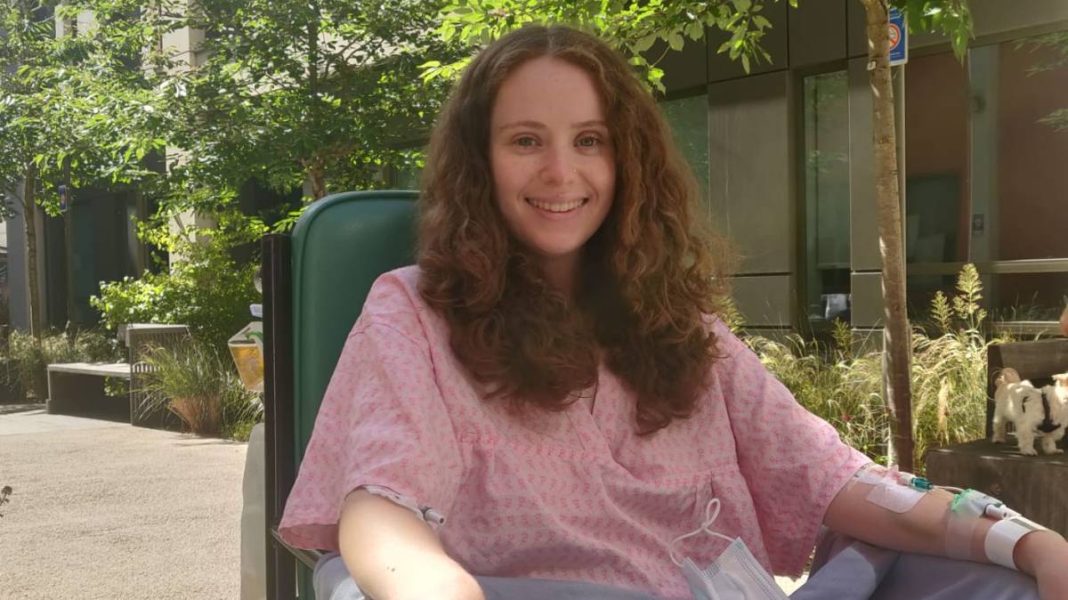
The numbers are stark, and frankly, a little terrifying. Bowel cancer diagnoses among people under 50 have disturbingly doubled. This isn’t just an anomaly; it’s a trend that’s pushing researchers to look beyond traditional risk factors and consider a fascinating, albeit concerning, hypothesis: could your birth year be playing a pivotal role?
The Alarming Trend and the Cohort Clue
For years, bowel cancer was largely considered a disease of older age. But recent data paints a very different picture, showing a significant surge in younger adults. This isn’t just about an aging population; it’s about a specific shift. Studies are pointing towards what’s known as a cohort effect – essentially, people born within a certain timeframe share common exposures throughout their lives that could influence their health decades later.
Imagine two people, both 40 years old. One was born in 1960, the other in 1980. While they are the same age today, their formative years and much of their early adulthood were vastly different. From diet and environmental factors to antibiotic exposure and lifestyle norms, the world they grew up in, and how they lived within it, could be contributing to varying health outcomes. “It’s not just about getting older; it’s about how your generation grew up,” explains Dr. Lena Karlsson, a public health researcher. “We’re seeing strong signals that those born from the 1970s onwards are carrying a higher lifetime risk of early-onset bowel cancer, suggesting something fundamental has changed in their collective experience.”
Unpacking Potential Culprits: A Lifestyle Legacy?
So, what exactly might have changed for these cohorts? The list of potential culprits is long and complex, reflecting the multifaceted nature of modern life. One of the primary areas of focus is diet. Younger generations have grown up in an era dominated by highly processed foods, sugary drinks, and fast food, often replacing traditional, fibre-rich diets. These dietary shifts can significantly impact gut health, inflammation, and the delicate balance of the gut microbiome – all critical factors in bowel cancer development.
Alongside dietary changes, sedentary lifestyles have become increasingly prevalent. The rise of screen time, desk jobs, and less active leisure pursuits means many people are simply moving less. Physical inactivity is a well-established risk factor for various cancers, including bowel cancer. Furthermore, the widespread use of antibiotics in early life for these cohorts might be disrupting the gut microbiome, potentially paving the way for long-term health issues. The escalating obesity epidemic, which has also seen a significant rise in younger age groups, is another strong contender, as excess weight is a known risk factor.
It’s likely not one single factor, but rather a perfect storm of interconnected elements. The modern environment, from the food we eat to the air we breathe and the medical interventions we experience, has cumulatively shifted for generations born in the latter half of the 20th century and beyond. These changes, subtle at first, may be manifesting now as increased rates of diseases like early-onset bowel cancer.
What Can We Do?
The link between birth year and bowel cancer risk in younger individuals highlights the profound impact of our environment and lifestyle choices, not just on us, but on entire generations. While the research is ongoing to pinpoint the exact mechanisms, the implications are clear. We need increased awareness among both the public and medical professionals that bowel cancer is no longer exclusively a disease of the elderly.
Listening to your body, understanding the symptoms – persistent changes in bowel habits, blood in stool, abdominal pain, unexplained weight loss – and seeking medical advice without delay are crucial. On a broader scale, fostering healthier eating habits, encouraging regular physical activity, and promoting gut health through diverse diets could be vital steps in reversing this alarming trend. This isn’t just about individual responsibility; it’s about creating a healthier legacy for the generations to come.

