


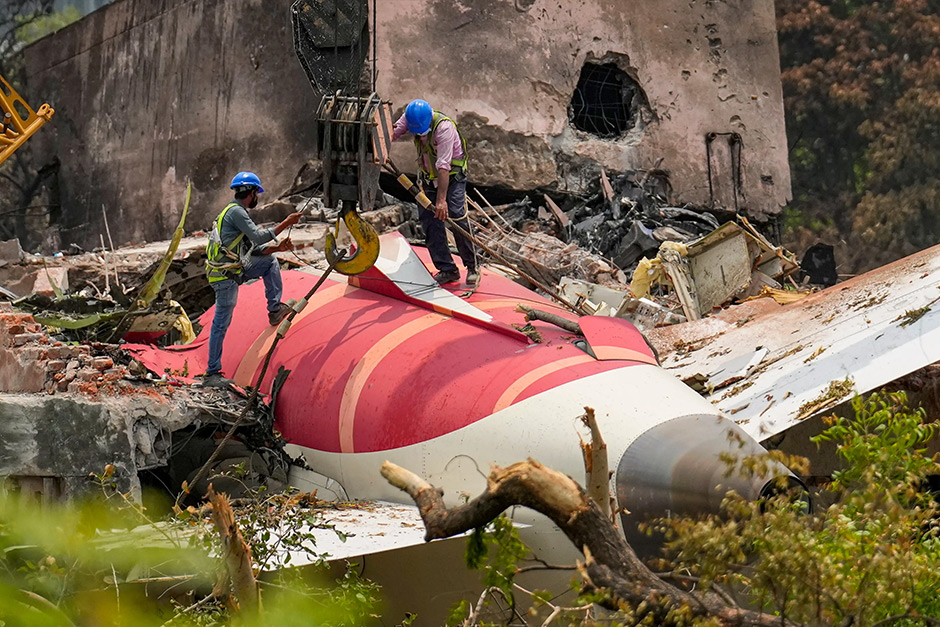
In a development that sends ripples through the global aviation industry and particularly resonates in India, a prominent US safety group has revealed that the Boeing 787 Dreamliner harbored significant technical faults long before a recent incident near Ahmedabad brought the aircraft’s reliability under intense scrutiny. This revelation casts a shadow over the “Dreamliner,” an aircraft once hailed for its advanced technology and fuel efficiency, prompting serious questions about oversight, manufacturing quality, and the paramount importance of passenger safety.
The Dreamliner’s Troubled Past and Indian Skies
The Boeing 787, a cornerstone of many long-haul fleets worldwide, including those of India’s flag carriers like Air India and Vistara, has unfortunately been no stranger to technical snags since its inception. The recent statement by an unnamed but well-regarded US safety watchdog underscores a persistent pattern of concerns that date back years. These issues reportedly range from manufacturing anomalies in critical fuselage sections to software glitches affecting navigation and flight control systems, and even problems concerning the aircraft’s electrical power systems and battery units that led to groundings early in its service life.
For India, a rapidly expanding aviation market with a burgeoning appetite for international travel, the implications are particularly significant. Indian airlines operate a substantial fleet of Dreamliners, ferrying millions of passengers annually on both domestic and international routes. The notion that these sophisticated aircraft may have inherent, unaddressed flaws raises alarm bells for passengers, airlines, and regulators alike. The “Ahmedabad crash” incident, as referenced by the US safety group’s claims, has undoubtedly intensified this focus, pushing the conversation about aircraft safety and maintenance into the spotlight within the Indian context. It highlights a critical need for rigorous due diligence, not just from the manufacturer, but also from the regulatory bodies that certify these planes for commercial service.
The US group’s findings suggest that many of these issues were documented and reported through various channels over time, yet perhaps not adequately addressed or communicated across the broader aviation community. This raises the uncomfortable question of whether financial pressures or production timelines may have, at times, overshadowed comprehensive safety evaluations and corrective actions.
Regulatory Scrutiny and Manufacturer Accountability
The revelation demands immediate and thorough action from aviation authorities globally, and particularly from India’s Directorate General of Civil Aviation (DGCA). The DGCA is tasked with ensuring the airworthiness of all aircraft operating in Indian airspace and by Indian carriers. While the DGCA regularly conducts audits and issues directives, the depth of these long-standing issues within the 787 fleet necessitates a re-evaluation of existing protocols and perhaps more stringent oversight.
Boeing, a dominant player in the global aerospace industry, finds itself once again under intense scrutiny. The company has faced a challenging period marked by various quality control issues across its production lines. Ensuring the integrity and safety of its aircraft, especially popular models like the 787, is paramount not just for its reputation but for the entire aviation ecosystem. The immediate priority must be a transparent investigation into these newly highlighted historical faults, understanding their potential cumulative impact, and implementing robust, lasting solutions.
“This isn’t just about a single incident; it’s about systemic issues that erode public trust in air travel,” remarks an independent aviation safety analyst, speaking on the condition of anonymity due to the sensitive nature of ongoing investigations. “Regulators worldwide, including the DGCA, must now demand absolute transparency and verifiable corrective actions from Boeing. Passenger safety can never be compromised for production targets or market dominance. The stakes are simply too high, especially in a rapidly expanding market like India.”
The onus is now squarely on Boeing to provide conclusive evidence of its commitment to safety and quality. This includes proactively addressing any residual or newly identified design and manufacturing flaws, and collaborating fully with international safety agencies and airline customers. For Indian carriers, this implies a need for enhanced internal vigilance, maintenance checks, and clear communication channels with both the manufacturer and the DGCA.
The revelations about the Boeing 787’s pre-existing technical faults serve as a sobering reminder of the continuous need for vigilance, stringent regulatory oversight, and unwavering commitment to safety in the aviation sector. As India’s skies become busier, ensuring that every aircraft, regardless of its pedigree, meets the highest safety standards is not merely a regulatory compliance issue, but a moral imperative. The “Ahmedabad crash” incident, as the catalyst for this renewed debate, underscores the critical importance of learning from past failings to prevent future tragedies, reinforcing confidence in the very industry that connects our world.

