


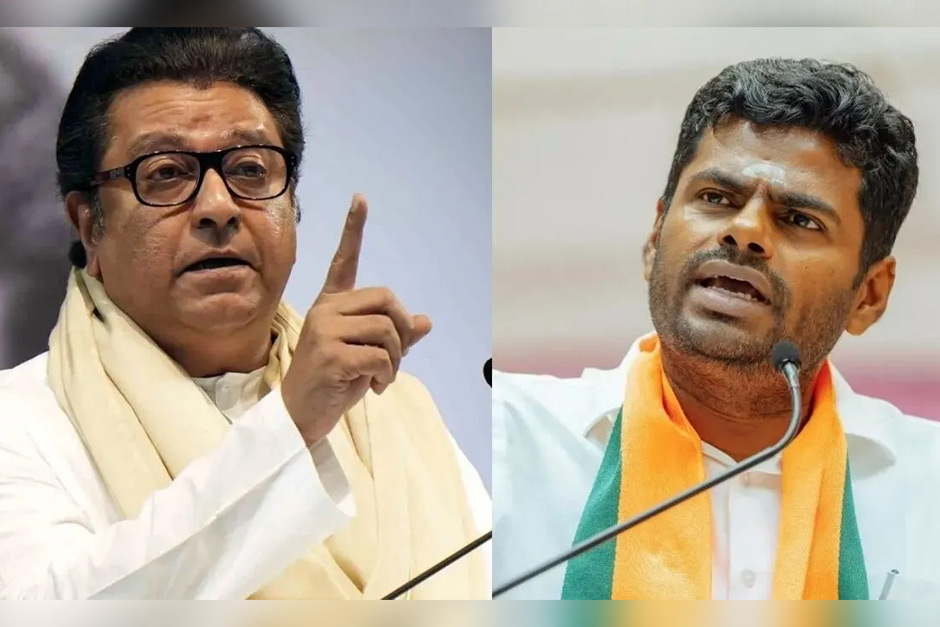
The BMC election results of 2026 have once again reshaped Mumbai’s political landscape, delivering a mandate that reverberates far beyond the city’s municipal corridors. With stakes exceptionally high for all major parties, the outcome has sparked intense discussions, particularly concerning the performance of the Maharashtra Navnirman Sena (MNS) and the commentary emerging from the Bharatiya Janata Party (BJP) camp. From sharp social media barbs aimed at Raj Thackeray to strategic insights on voter behaviour, the post-election discourse has been as dynamic as the campaign itself.
The ‘Rasmalai’ Jab: BJP Trolls Raj Thackeray Over MNS Performance
Following the declaration of the BMC 2026 results, the BJP’s social media machinery was quick to react, particularly focusing its ire and humour on Maharashtra Navnirman Sena chief Raj Thackeray. A prominent theme that emerged from the BJP’s online trolling was the peculiar use of the word ‘rasmalai’. This culinary reference, often a symbol of sweetness and celebration, was cleverly inverted to highlight what the BJP perceived as MNS’s diminished political impact and disappointing electoral showing.
Sources within the BJP’s IT cell indicated that the ‘rasmalai’ taunt was a direct jab at pre-election rhetoric where some MNS supporters had optimistically predicted a “sweet victory” for the party, eyeing a significant number of seats in the civic body. However, as the results unfolded, the MNS managed to secure only a handful of wards, far below its own expectations and past performances in some areas. A widely circulated meme depicted Raj Thackeray looking wistfully at a plate of rasmalai, with the caption, “Aspirations for a sweet victory, but all that was left was the aroma.” This pointed humour underscored the BJP’s contention that MNS’s influence continues to wane in Mumbai’s diverse electoral mosaic, failing to convert its narrative on Marathi identity and local issues into substantial electoral gains.
The MNS, which has often positioned itself as a significant regional force capable of challenging established parties, faced an uphill battle against the well-oiled machinery of the BJP and its allies, as well as the resilience of other regional players. The ‘rasmalai’ jibe, while seemingly light-hearted, carried a stinging political message: that the MNS’s share of the electoral ‘sweetness’ was negligible, reinforcing the narrative of a party struggling to broaden its appeal beyond a core base.
Annamalai’s Insight: Mumbaikars Chose Substance Over Divisiveness
Amidst the varied reactions to the BMC 2026 results, BJP leader K. Annamalai offered a broader perspective, particularly highlighting what he believed was a significant shift in the Mumbai electorate’s priorities. Annamalai, known for his sharp political analysis, stated that Mumbaikars had decisively chosen “substance over divisiveness”, a comment widely interpreted as a direct endorsement of the BJP’s campaign strategy and an indirect critique of parties perceived to rely on identity politics or rhetoric that could be seen as divisive.
Speaking to reporters from TrendLyric.com, Annamalai elaborated, “The BMC results clearly indicate that the discerning voters of Mumbai prioritised tangible development, good governance, and a clear roadmap for the city’s future over narratives that sought to create rifts or exploit fault lines. Mumbaikars are pragmatic; they want solutions to traffic, infrastructure, public health, and urban planning. Our campaign focused squarely on these core issues, presenting a vision for a world-class Mumbai, and the mandate reflects that commitment.”
This statement from Annamalai resonates with the BJP’s consistent messaging throughout the election cycle, which largely centred on Prime Minister Narendra Modi’s vision for urban development and the party’s track record in various state and central initiatives. By framing the victory as a triumph of ‘substance’, Annamalai sought to position the BJP as a party focused on inclusive growth and efficient administration, contrasting it with political rivals whose agendas might have been perceived as narrower or more identity-based. This perspective not only celebrated the BJP’s electoral success but also attempted to set a narrative for future political contests in urban centres across India, suggesting that voters are increasingly looking for concrete promises and demonstrable progress.
Conclusion
The BMC election results of 2026 have unequivocally demonstrated a dynamic shift in Mumbai’s political landscape. The BJP’s confident victory, coupled with its pointed ‘rasmalai’ jest towards the MNS, underscores the changing fortunes of various political entities in the state’s most crucial civic body. Annamalai’s observation about Mumbaikars choosing substance over divisiveness further solidifies the narrative that development and governance-centric politics resonated strongly with the electorate. As Mumbai prepares for a new chapter under its elected representatives, these results will undoubtedly shape future political strategies, not just in Maharashtra but potentially across urban India, signalling a growing preference for tangible progress over traditional political rhetoric.

