


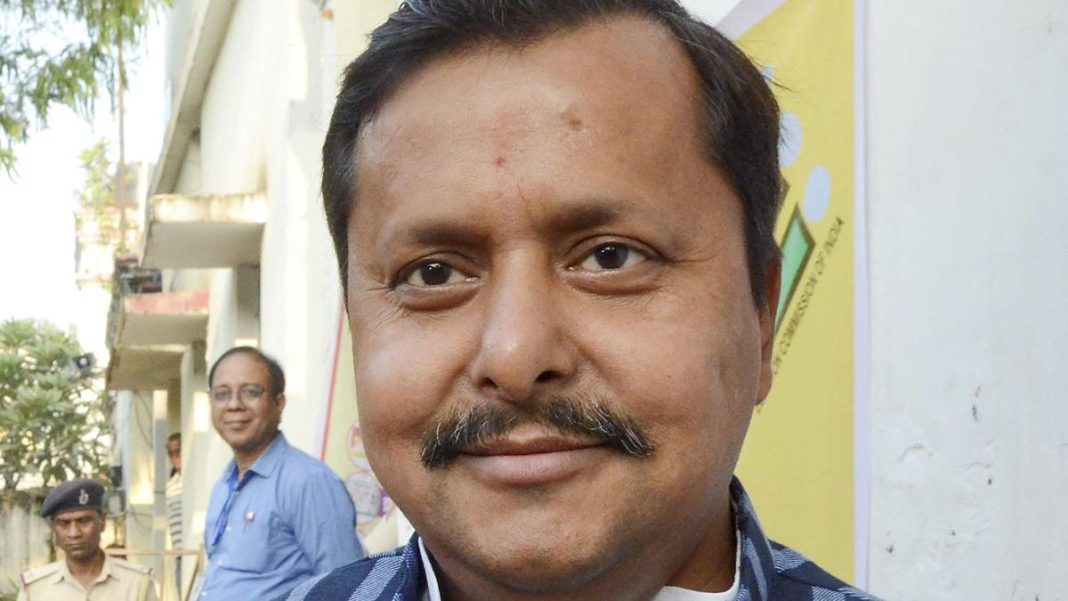
The Bharatiya Janata Party (BJP), India’s dominant political force, has announced a significant leadership change, appointing Nitin Nabin, 45, as its new working president. This move, coming amidst the party’s ongoing efforts to strengthen its organizational structure and prepare for upcoming electoral challenges, is widely seen as a deliberate signal towards a generational shift in its leadership hierarchy. The appointment underscores the party’s strategic intent to integrate younger blood into its highest echelons, reflecting a forward-looking approach to national politics.
The Ascent of Nitin Nabin: A Profile in Modern Politics
Nitin Nabin’s elevation to the role of working president marks a pivotal moment in his political career and for the BJP itself. Born in 1979, Nabin represents a younger generation of politicians who have steadily climbed the ranks through consistent organizational work and electoral success. A prominent figure known for his effective communication skills and ability to connect with diverse demographics, Nabin’s journey began in student politics, where he quickly gained recognition for his leadership qualities and ideological commitment. His career has seen him hold significant responsibilities at the state level, where he has been instrumental in various party initiatives and government capacities.
Observers note Nabin’s background as a key factor in his selection. He is often perceived as a blend of traditional party values and a contemporary outlook, making him an ideal bridge between the seasoned veterans and the aspirations of younger cadres. His experience is not merely confined to political rallies; he has been involved in policy discussions and grassroots campaigns, demonstrating a comprehensive understanding of India’s complex political landscape. The BJP’s decision to entrust such a crucial organizational role to someone of Nabin’s age suggests a strategic recognition of the need for energetic leadership to drive the party’s agenda forward, particularly in an era dominated by digital engagement and youth participation.
Signaling a Generational Shift: BJP’s Strategic Imperative
The appointment of a 45-year-old as working president is more than just an internal reshuffle; it is a powerful statement about the BJP’s long-term vision. For years, Indian political discourse has debated the aging leadership across various parties. With Nabin’s ascent, the BJP appears to be proactively addressing this narrative, demonstrating a clear commitment to fostering a new crop of leaders who can carry the party’s legacy and objectives into the future. This strategic move is expected to energize the party’s youth wing and cadre, offering a clear path for advancement within the organization.
The concept of a generational shift is not new to the BJP, which has historically shown a willingness to adapt and evolve. However, placing a relatively younger leader in such a high-profile organizational role underscores a renewed emphasis on succession planning and broadening the party’s appeal. By projecting a youthful face at the helm of its day-to-day operations, the BJP aims to resonate more effectively with India’s vast young electorate, which increasingly seeks representation from leaders who understand their contemporary concerns and aspirations. This could also be a move to balance the existing senior leadership with fresh perspectives, ensuring a dynamic approach to policy-making and electoral strategies.
“This move clearly indicates the BJP’s long-term vision,” observed Dr. Priya Sharma, a political analyst based in Delhi. “It’s a strategic investment in youth leadership, aiming to rejuvenate the party’s image and connect more deeply with the aspirations of a younger electorate, while also preparing a new cadre for future national leadership roles.” The party’s decision suggests an understanding that sustained political dominance requires continuous evolution and the nurturing of new talent to maintain relevance across demographic segments.
Implications and the Path Forward
Nitin Nabin’s tenure as working president will likely be closely watched for its immediate and long-term implications. His primary responsibilities will include strengthening the party’s organizational machinery, coordinating with state units, and ensuring effective implementation of party policies and programs. This role is crucial in bridging the gap between the party’s national leadership and its grassroots workers, especially with several state elections on the horizon.
The challenge for Nabin will be to navigate the complex dynamics of a large and diverse party, balancing the wisdom of the old guard with the fresh impetus of newer ideas. His performance will be a testament to the BJP’s confidence in its younger leadership and could set a precedent for similar appointments across other political parties in India. This appointment is not merely an internal party matter; it reflects a broader trend of political parties adapting to a changing demographic landscape, where the demand for younger, more dynamic leadership is increasingly pronounced.
In conclusion, the appointment of Nitin Nabin as the BJP’s new working president signifies a notable step in the party’s strategic evolution. It signals a conscious effort towards a generational shift, aimed at rejuvenating its leadership, broadening its appeal, and preparing for the political challenges of the future. This move could redefine internal party dynamics and have a significant ripple effect on the broader Indian political landscape.
—

