


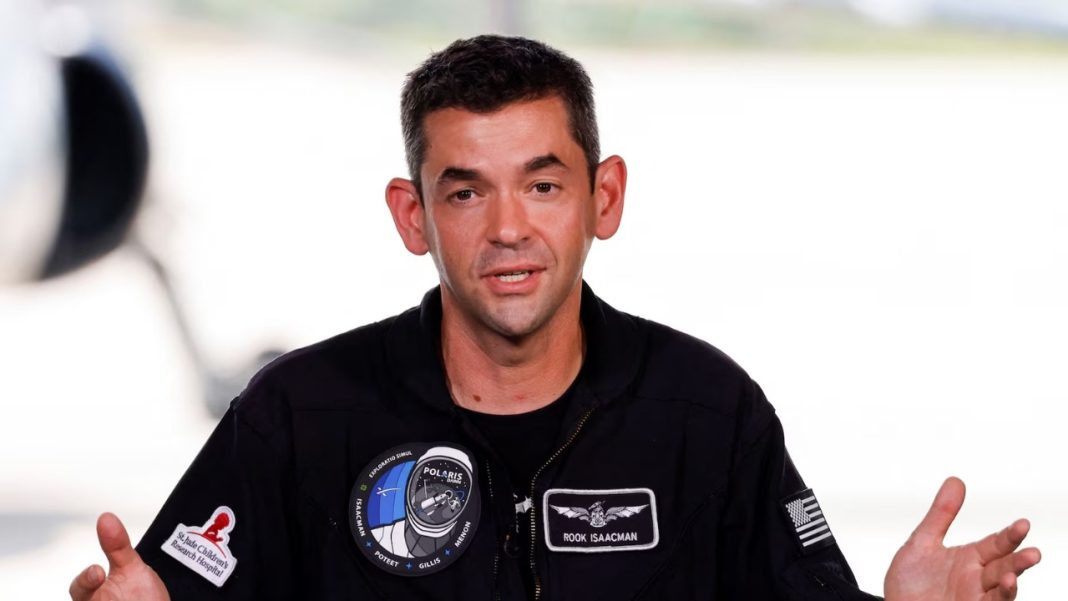
The global space community is abuzz with a monumental announcement that could redefine the future of exploration: Jared Isaacman, the billionaire entrepreneur and accomplished private astronaut, has been appointed as the new Administrator of NASA. This unexpected but groundbreaking move sees a figure synonymous with private space initiatives stepping into the highest leadership role of the world’s most prominent government space agency. The appointment signals a bold new direction for NASA, potentially integrating the agility and innovation of the private sector with the long-standing vision and scientific rigor of public exploration.
Isaacman, known for funding and commanding the all-civilian Inspiration4 mission and the upcoming Polaris Program, brings an unconventional blend of business acumen and hands-on spaceflight experience to the helm. His ascension has ignited conversations across the aerospace industry, from Houston to Bengaluru, about the evolving landscape of space exploration and the potential ripple effects on international collaborations and competitive dynamics.
A New Era for NASA: From Private Explorer to Public Leader
Jared Isaacman’s journey to the NASA chief position is unlike any of his predecessors. With no prior government service or extensive scientific research background traditionally associated with the role, his appointment underscores a strategic pivot towards commercialization and accelerated development. Isaacman’s track record with Shift4 Payments, his highly successful financial technology company, and his leadership in daring private space missions like Inspiration4, demonstrate a capacity for rapid execution and ambitious goal-setting. These qualities are precisely what some argue NASA needs as it navigates complex missions like the Artemis program to return humans to the Moon and prepares for crewed missions to Mars.
His deep understanding of commercial space dynamics, particularly with companies like SpaceX, could foster stronger public-private partnerships, streamlining development processes and potentially reducing costs. Critics, however, may question whether his commercial focus aligns with NASA’s foundational mission of pure scientific discovery and unhindered research. The challenge for Isaacman will be to balance the imperative for groundbreaking science with the drive for operational efficiency and accessible space for a broader demographic, leveraging his private sector experience to benefit a public agency with a global mandate.
Implications for Global Space Exploration and India
The appointment of a commercially-minded leader like Isaacman at NASA carries significant implications for the global space race, especially for emerging space powers like India. India, with its own burgeoning private space sector and the ambitious Indian Space Research Organisation (ISRO), has long been a key player in international space efforts. NASA’s new direction could either pave the way for unprecedented collaborations or intensify competition. Isaacman’s emphasis on rapid technological advancement and private sector engagement might find resonance with India’s own initiatives, such as the Indian National Space Promotion and Authorization Center (IN-SPACe), which aims to boost private participation.
For India, the opportunity could lie in forging new partnerships under Isaacman’s leadership, potentially speeding up technology transfer or joint mission developments. India’s cost-effective space programs and growing technical expertise are attractive to any global partner looking to maximize resources. However, it also means ISRO and Indian private entities must accelerate their pace to remain competitive and relevant in a landscape increasingly defined by the agility of private players. As one prominent Indian space analyst noted, “This appointment signals a seismic shift in how major space agencies perceive their future, blending public ambition with private sector agility. India must observe keenly and adapt its strategies to leverage potential synergies while safeguarding its independent space vision.” The focus might shift from traditional government-to-government agreements to a more hybrid model involving commercial entities from both nations.
Challenges and Opportunities Ahead
Isaacman’s tenure will undoubtedly face scrutiny and present both immense challenges and unparalleled opportunities. On the challenge front, he will need to navigate the intricate political landscape of Washington D.C., secure congressional funding for ambitious projects, and manage a vast scientific and engineering workforce accustomed to traditional structures. Integrating commercial speed with governmental oversight, and ensuring NASA’s long-term scientific objectives are not overshadowed by shorter-term commercial gains, will be a delicate balancing act. Furthermore, addressing issues like space debris, orbital traffic management, and international space ethics will require robust diplomacy and leadership.
The opportunities, however, are equally compelling. Isaacman’s entrepreneurial spirit could inject fresh dynamism into NASA’s project management, foster quicker development cycles, and perhaps even open new avenues for public engagement. His advocacy for commercial space could democratize access to space, making it a more inclusive domain. For India and other nations, this could mean more opportunities for collaborative missions, shared research, and the collective advancement of humanity’s reach beyond Earth. The coming years will reveal whether this bold choice propels NASA into a golden age of accelerated exploration or demands a recalibration of its core mission.
Jared Isaacman’s appointment marks a pivotal moment in space history. It’s a testament to the increasing confluence of private enterprise and public endeavor in humanity’s quest to explore the cosmos. As the world watches, his leadership could redefine not just NASA’s trajectory, but the very future of human spaceflight for decades to come, with India poised to play a crucial role in this evolving narrative.

