


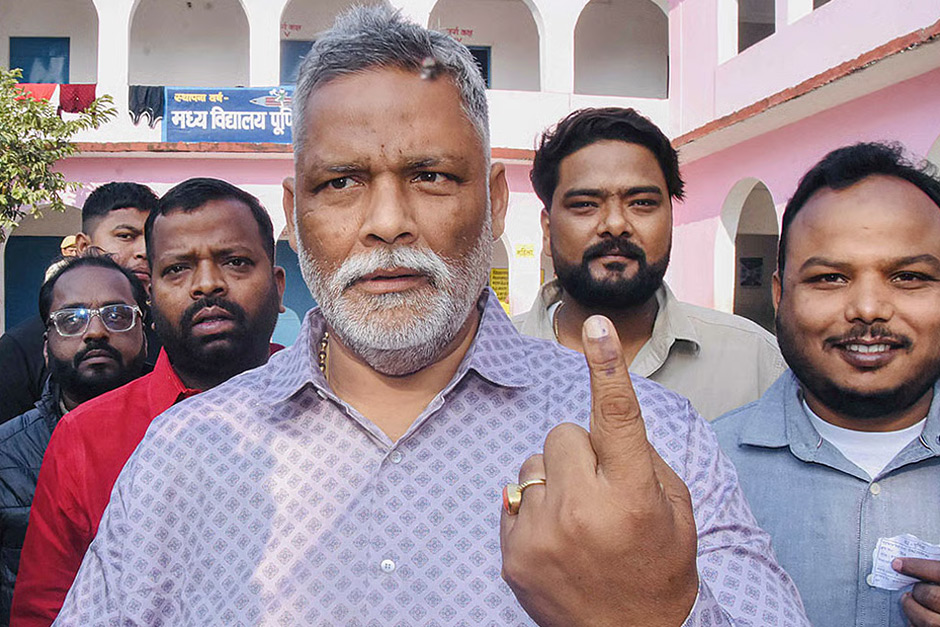
In a dramatic development that has sent ripples through Bihar’s political landscape, Member of Parliament Pappu Yadav was arrested in May 2024, in connection with a long-dormant 1995 case. The arrest, executed by Bihar Police, quickly escalated into a national talking point, not just for the legal intricacies but primarily due to Yadav’s vehement assertion that he is being targeted for his vocal advocacy on behalf of a NEET aspirant who tragically died, allegedly due to stress related to the examination.
The incident has ignited a heated debate, blending legal procedure with allegations of political vendetta, against the backdrop of growing concerns over exam integrity and student welfare in India.
The 1995 Case and the Arrest
Pappu Yadav, whose legal name is Rajesh Ranjan, was taken into custody by a police team from Patna. The arrest warrant stemmed from a 1995 case registered at the Kumarkhand police station in Madhepura district. Details circulating suggest the case pertains to an old non-bailable warrant related to alleged election-related violence or an attempt to murder. While the specifics of the original complaint have been scantily detailed in recent reports, the fact that an almost three-decade-old case suddenly resurfaced to facilitate an arrest has raised eyebrows across political spectrums and among legal observers.
Yadav was reportedly en route to meet with the family of a deceased NEET aspirant in Purnia when the police intercepted him. Following his arrest, he was produced before a local court, which subsequently remanded him to judicial custody. His legal team has reportedly challenged the validity and timing of the arrest, arguing that the underlying case is politically motivated and that the warrant itself may be outdated or improperly invoked after such a prolonged period of dormancy.
Pappu Yadav’s Allegations: NEET and Political Vendetta
Immediately following his arrest, Pappu Yadav launched a strong counter-narrative, accusing the ruling establishment of orchestrating his detention as a reprisal for his recent activism. Yadav has been at the forefront of demanding justice for a NEET aspirant from Bihar who reportedly died by suicide, allegedly due to immense pressure and perceived irregularities surrounding the highly competitive medical entrance examination. He had been actively visiting affected families, staging protests, and demanding a thorough investigation into the circumstances leading to the student’s death and broader allegations of paper leaks or systemic flaws in the NEET examination process.
In a direct statement that has resonated widely, Yadav asserted, “I am being deliberately targeted because I raised my voice for the NEET aspirant who died, and against the mafia operating in the education sector.” His claims have found resonance among a section of the public and student bodies who have also been vocal about the need for greater transparency and accountability in national examinations. This incident, therefore, not only highlights a specific legal challenge but also intertwines with the larger national discourse on education, youth aspirations, and governance.
Broader Implications in Bihar Politics
The arrest of Pappu Yadav carries significant political implications, particularly in Bihar, where he remains a prominent, albeit often controversial, figure. Known for his grassroots connect and his ability to mobilize support, Yadav’s recent political trajectory has seen him merge his Jan Adhikar Party (Loktantrik) with the Indian National Congress, aligning himself with the INDIA bloc. This move had positioned him as a potential challenger in certain key constituencies, intensifying political rivalries ahead of upcoming electoral battles.
His arrest, therefore, is being viewed by many as a calculated move to sideline a vocal critic and potential opponent. The timing, coming just as he was drawing significant attention to a sensitive public issue like NEET, adds weight to the allegations of political interference. Political analysts suggest that the incident could either suppress his influence or, conversely, galvanize his supporters and sympathetic voters who might view him as a victim of state power. The public’s perception of the arrest – whether as a legitimate legal action or a politically motivated silencing – will play a crucial role in shaping the narrative as Bihar’s political temperature continues to rise.
As the legal proceedings unfold, the incident serves as a stark reminder of the often-intertwined nature of law and politics in India. The coming weeks will likely see intensified legal battles and political rhetoric, as both sides strive to control the narrative surrounding Pappu Yadav’s arrest and the underlying issues it has brought to the fore.

