


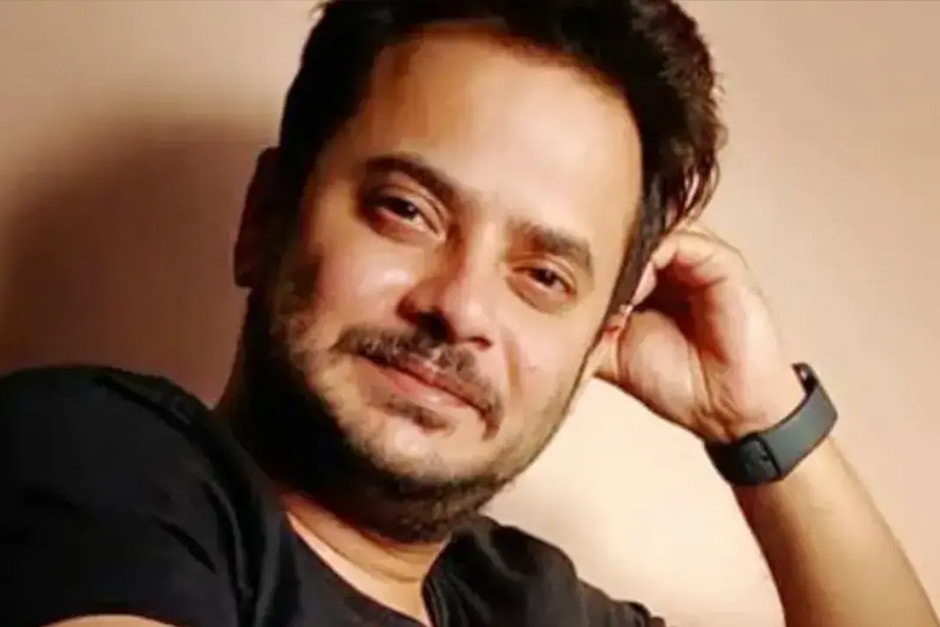
The vibrant world of Bengali cinema, affectionately known as Tollywood, has come to an unprecedented standstill. Following the untimely demise of promising young actor Rahul Arunoday Banerjee, the entire industry has declared an indefinite strike, bringing all film and television production to a halt. This drastic measure underscores a collective demand for urgent and comprehensive safety measures on sets, transforming grief into a resolute call for systemic change within the industry.
The Tragic Shadow Over Tollywood
The tragic incident involving Rahul Arunoday Banerjee, whose promising career was cut short, has sent shockwaves through the Bengali film fraternity. While details of the incident remain under investigation, the actor’s sudden death on a film set has ignited a long-simmering debate about the often-overlooked dangers faced by cast and crew. Banerjee, known for his dedication and rising popularity, reportedly succumbed to complications arising from an unforeseen incident during a shoot, though official reports are still awaited.
His passing has served as a poignant catalyst, forcing the industry to confront its inherent risks. For years, whispers and concerns about inadequate medical facilities, precarious working conditions, and the absence of clear safety protocols have circulated. However, it took a tragedy of this magnitude to unite disparate industry bodies – from artists’ forums and technicians’ unions to producers’ associations – under a singular, urgent banner: safety first. The immediate decision to halt all productions reflects not just mourning, but a profound frustration with the existing framework and a powerful resolve to prevent future fatalities.
Urgent Calls for Comprehensive Safety Protocols
The indefinite strike is not merely a protest; it is a unified demand for concrete, actionable changes. Industry stakeholders are articulating a clear set of requirements aimed at safeguarding the lives and well-being of everyone on a film set. The demands range from fundamental provisions to more elaborate safety infrastructures.
Key Demands on the Table
- Mandatory Medical Support: A non-negotiable demand is the presence of a qualified doctor or trained paramedic, along with a fully equipped ambulance, on every set, especially for shoots involving stunts, night sequences, or large crowds.
- Regular Safety Audits: Producers are being urged to conduct stringent safety audits for all locations, equipment, and stunt sequences, with certified safety officers overseeing their implementation.
- Comprehensive Insurance: Demands include comprehensive health and accident insurance policies for all cast and crew members, extending beyond the duration of a single project.
- Strict Working Hour Regulations: Unions are pushing for stricter adherence to labour laws regarding working hours, emphasizing the physical and mental toll of prolonged shifts.
- Emergency Training: Regular first-aid and emergency response training for key personnel on every set is another crucial demand.
Addressing the media, a senior representative from the Federation of Cine Technicians & Workers of Eastern India stated, “We cannot afford another tragedy. Rahul’s death must be the last. Our demands are not unreasonable; they are fundamental human rights. We will not resume work until we see a concrete commitment to a safer working environment for every single person who contributes to bringing stories to life.” This sentiment resonates deeply across the industry, highlighting the collective commitment to transforming the workspace.
Economic Repercussions and a Push for Lasting Change
The indefinite strike has immediate and far-reaching economic consequences. Numerous films, television series, and web productions have been stalled midway, leading to substantial financial losses for producers, distributors, and daily wage earners. Release schedules for upcoming projects are in disarray, potentially impacting box office collections and streaming viewership. The vibrant ecosystem of Tollywood, which supports thousands of livelihoods, is currently in a state of paralysis.
However, many within the industry believe that these short-term setbacks are a necessary price for long-term safety and stability. The hope is that this collective stand will not only lead to an overhaul of safety protocols within Tollywood but also set a precedent for other regional film industries across India. Discussions are reportedly underway with government bodies and state film development corporations to formulate new guidelines and ensure their rigorous enforcement.
The current crisis in Bengali cinema is a pivotal moment, testing the resilience and unity of its practitioners. What began as a tragedy has evolved into a powerful movement for workplace safety, promising to redefine how films are made in the region. The industry awaits a resolution that honors the memory of Rahul Arunoday Banerjee and ensures a safer future for all.
*

