


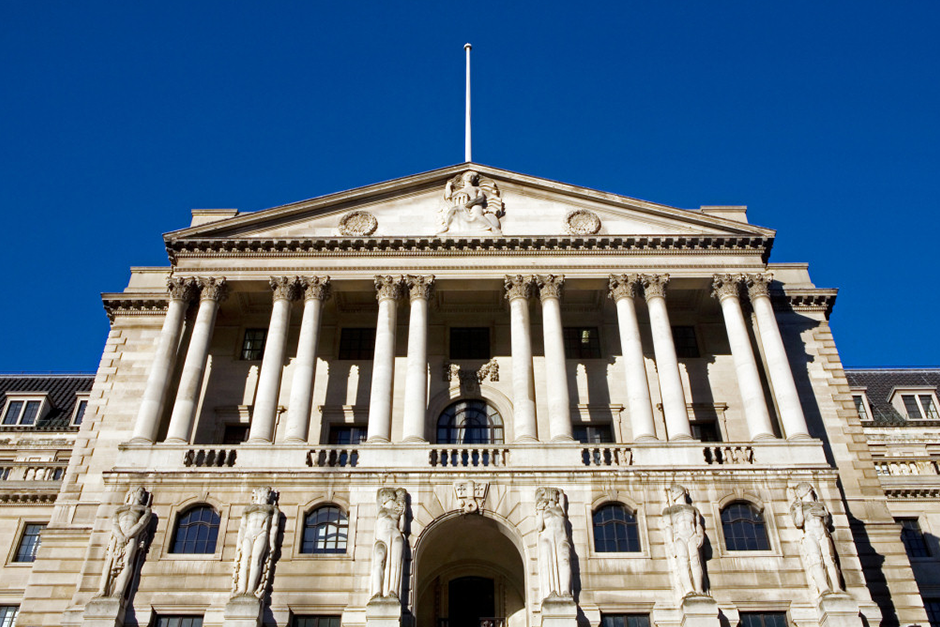
The artificial intelligence revolution is upon us, and frankly, it’s exhilarating. From chatbots that write poetry to algorithms predicting medical breakthroughs, AI’s potential feels limitless. Investment in AI companies has skyrocketed, pushing valuations to dizzying heights. But amidst this undeniable buzz, a heavyweight institution has just sounded a sobering alarm: the Bank of England.
According to a recent report highlighted by Ars Technica, the UK’s central bank is warning that the current AI stock market frenzy bears an unsettling resemblance to the infamous dot-com bubble of 2000. It’s a stark caution from an entity whose primary concern is financial stability, and it suggests that beneath the surface of innovation, there might be a significant amount of speculative froth.
The Echoes of Y2K: AI vs. Dot-Com
For those who remember the turn of the millennium, the dot-com bubble was a period of incredible optimism, where internet companies, often with little to no profit or even a clear business model, saw their stock prices soar. Investors poured money into anything with “.com” in its name, driven by the promise of a digitally transformed future. The internet was revolutionary, of course, but the market’s enthusiasm far outstripped reality, leading to a spectacular bust.
Fast forward to today, and the parallels, according to the Bank of England, are striking. We’re seeing unprecedented investment in AI, with some companies experiencing meteoric rises in valuation. The promise of AI is undoubtedly real and transformative, just as the internet’s was. However, the BoE’s concern is that the market might be indiscriminately valuing every AI venture as a future titan, without sufficient scrutiny of fundamentals, profitability, or sustainable business models. It’s a classic case of hype potentially outpacing tangible value, fueled by a fear of missing out on the next big thing.
Why a Central Bank is Sounding the Alarm
The Bank of England isn’t just an interested observer of stock market trends; it’s a guardian of financial stability. When a central bank issues a warning of this nature, it’s not merely about individual investors losing money. Their concern extends to the potential for systemic risk – a market correction in one sector that could ripple through the entire economy, affecting pensions, savings, and broader economic activity. Bubbles, by their nature, eventually burst, and the fallout can be significant and widespread.
This isn’t to say that AI isn’t a powerful force for good or that every AI company is overvalued. Far from it. The BoE’s warning is a call for caution, urging market participants – from institutional investors to individual traders – to exercise discernment. “It’s a classic conundrum,” explains market analyst Sarah Davies. “AI’s potential is undeniable, but distinguishing between truly disruptive innovation and mere speculative hype becomes incredibly difficult in such a frothy environment. History has shown us that even the most revolutionary technologies can suffer from periods of irrational exuberance in the market.”
The underlying technology of AI is genuinely transformative, set to reshape industries and daily life in profound ways. However, the market’s enthusiastic embrace, if unchecked by fundamental analysis and realistic expectations, could be setting the stage for a period of adjustment. The Bank of England’s warning serves as a crucial reminder that while innovation is exciting, sound financial principles remain timeless.
As AI continues its rapid ascent, the message is clear: proceed with optimism, but temper it with a healthy dose of caution and a keen eye on the fundamentals. The future of AI is bright, but the path of its market valuation may well be bumpy.

