


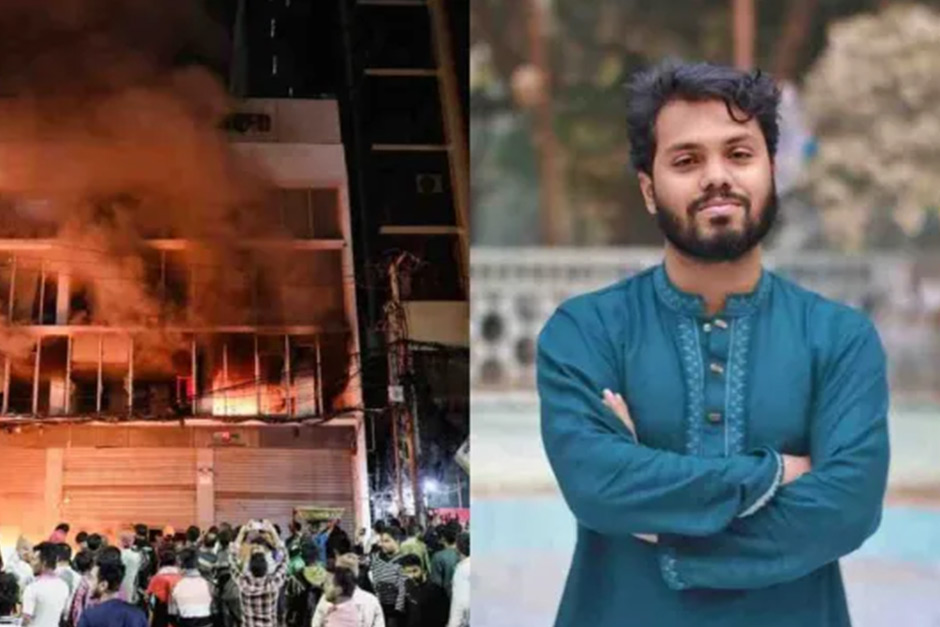
Bangladesh is currently in the grip of widespread unrest, marked by persistent protests and growing political volatility. The nation, a vital neighbour to India, faces escalating tensions following the controversial decision to bury Sharif Osman Hadi, a prominent figure in the ongoing demonstrations, beside the revered national poet Kazi Nazrul Islam. This move has not only ignited further outrage among various factions but has also elevated the symbolic stakes of the current crisis, drawing keen observation from regional and international stakeholders, particularly India.
A Nation on Edge: The Roots of Discontent
The streets of Dhaka and other major Bangladeshi cities have been scenes of intense clashes and impassioned demonstrations for weeks. What began as protests primarily against economic hardships – soaring inflation, unemployment, and rising commodity prices – has quickly broadened into a more comprehensive movement demanding political reforms and greater accountability. Opposition parties and civil society groups have seized upon the palpable public frustration, organising large-scale rallies that frequently turn confrontational with security forces.
Reports from the ground indicate numerous injuries and some casualties, further fuelling the public’s anger. The government, led by Prime Minister Sheikh Hasina, has largely maintained a firm stance, citing national security and attempts to destabilise the country. While official narratives focus on maintaining law and order, critics argue that a heavy-handed response risks exacerbating the very instability it seeks to quell. The current environment is characterised by deep mistrust between the populace and the establishment, making any resolution a complex endeavour.
The Controversial Burial: Sharif Osman Hadi and Kazi Nazrul Islam
The death of Sharif Osman Hadi has emerged as a critical flashpoint in the escalating unrest. Hadi, a charismatic young activist who had become a significant voice within the protest movement, reportedly succumbed to injuries sustained during recent clashes. While details surrounding his death remain contested, with protesters alleging state culpability and authorities claiming self-defence or accidental causes, his demise has galvanised the opposition and intensified the calls for justice.
The decision to bury Hadi at the Dhaka University Central Mosque compound, adjacent to the eternal resting place of Bangladesh’s national poet, Kazi Nazrul Islam, has proven particularly incendiary. Kazi Nazrul Islam is a figure of immense national pride and cultural significance, revered across political divides for his revolutionary poetry and contributions to Bengali literature and identity. His grave is considered sacred ground, a symbol of national heritage. The government’s justification for placing Hadi there, reportedly citing his significant (though unspecified) contributions to the nation, has been widely perceived as an attempt to legitimise the protest movement posthumously or to appropriate a national symbol for political ends.
For many, this act is a profound desecration, politicising a revered site and bestowing an undue honour on a figure whose legacy is intertwined with current, divisive political events. “The decision to bury Sharif Osman Hadi next to Kazi Nazrul Islam is not just about a burial site; it’s a powerful symbolic act,” stated Dr. Anirban Basu, a South Asian affairs analyst based in Delhi. “It elevates Hadi to a national hero status in the eyes of his supporters, simultaneously challenging the state’s narrative and potentially legitimising the protest movement by associating it with a bedrock of Bengali identity. This move, regardless of intent, has amplified the already simmering tensions significantly.” The controversy underscores the deep ideological chasm that now defines Bangladesh’s political landscape.
Regional Implications and India’s Watchful Eye
The persistent unrest in Bangladesh holds significant implications for regional stability, particularly for neighbouring India. As Bangladesh’s largest trading partner and a crucial ally in India’s ‘Neighbourhood First’ policy, New Delhi watches the developments closely. Instability in Bangladesh could trigger a host of challenges, including potential refugee influxes across the porous border, disruptions to cross-border trade and connectivity projects, and the rise of extremist elements that could exploit a power vacuum. Furthermore, the democratic health of Bangladesh is often seen as a barometer for regional democracy.
India has consistently advocated for a peaceful and democratic resolution to internal disputes in its neighbourhood. While maintaining a policy of non-interference in internal affairs, the Indian government’s concerns would naturally extend to safeguarding regional security and ensuring the well-being of its population. The current unrest, coupled with the highly charged burial controversy, represents a critical juncture for Bangladesh, demanding careful navigation by all stakeholders to prevent further escalation and ensure the long-term stability and prosperity of the nation.
The coming weeks will be crucial in determining the trajectory of Bangladesh’s unrest. The symbolic importance of Sharif Osman Hadi’s burial, juxtaposed against the revered Kazi Nazrul Islam, has added a potent emotional layer to the existing political and economic grievances. As protests show no signs of abating, the world, especially India, remains watchful, hoping for a return to normalcy and a peaceful resolution to the challenges facing this vibrant South Asian nation.

