


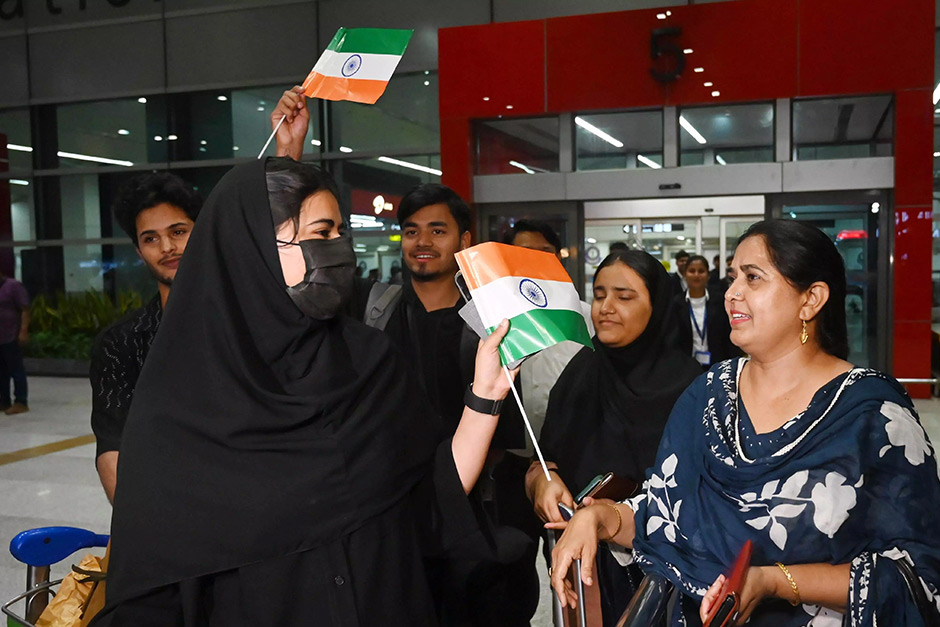
The familiar embrace of loved ones and the comforting sounds of home have brought a wave of relief to several Indian families in Delhi, following the return of their kin from Iran. Amidst escalating protests and an increasingly volatile situation across the Islamic Republic, these Indian nationals made the difficult decision to leave their lives and livelihoods behind, seeking safety and stability back on Indian soil. Their arrival underscores the personal toll of geopolitical unrest and highlights the ongoing concerns for diaspora communities in troubled regions.
Escalating Unrest in Iran: A Catalyst for Return
For weeks, Iran has been gripped by widespread anti-government protests, triggered initially by the death of 22-year-old Mahsa Amini in morality police custody. What began as demonstrations against mandatory hijab laws has evolved into a broader movement demanding greater freedoms and challenging the country’s clerical establishment. The protests, which have seen a significant turnout of women and youth, have spread to cities and towns across the nation, often clashing violently with security forces.
The situation on the ground has been described by many foreign nationals as increasingly precarious. Internet blackouts, travel restrictions, and a pervasive sense of uncertainty have made daily life challenging and raised concerns for personal safety. For the thousands of Indians living and working in Iran – primarily in sectors like trade, education, and healthcare – the deteriorating environment presented a stark choice. Many found their work disrupted, their mobility curtailed, and their future prospects uncertain, prompting a collective decision to return home rather than weather the storm.
Journey Home: Challenges and Relief
The journey back to India for these individuals was often fraught with logistical and emotional challenges. While the Indian Embassy in Tehran maintained close contact with the community and provided assistance where possible, the primary responsibility for arranging travel often fell to the individuals themselves. Securing commercial flights amidst limited availability and navigating internal travel restrictions within Iran added layers of complexity to an already stressful situation.
Upon their arrival at Indira Gandhi International Airport in Delhi, the scenes were a poignant mix of relief and exhaustion. Families, some having waited anxiously for weeks, embraced their returning relatives with tears of joy. The shared experience of uncertainty and the relief of safe passage home was palpable. Many returnees spoke of the constant tension they lived under, a sharp contrast to the peaceful reunion at home.
One such returnee, Ravi Kumar, who had been working in a trading company in Tehran for the past five years, shared his experience: “It was a bad situation, truly. The protests intensified, and every day brought new anxieties. My family back home was constantly worried. While leaving my job and friends was heartbreaking, the decision to return was purely for safety. We’re just incredibly relieved to be back on Indian soil, surrounded by family. The support from the Indian community there and the embassy was very helpful in coordinating our exit.” His words echo the sentiments of many who prioritized personal safety over professional commitments in a rapidly changing foreign landscape.
Looking Ahead: Reintegration and Future Considerations
The returnees now face the challenge of reintegrating into life in India. For many, this means seeking new employment, re-establishing routines, and coping with the financial implications of an abrupt departure. While the immediate concern for their physical safety has been addressed, the psychological impact of living through such turmoil, coupled with the economic adjustments, will take time to process.
The Indian government continues to monitor the situation in Iran closely, advising Indian nationals to exercise caution and avoid protest-hit areas. The smooth repatriation of these individuals highlights the proactive role of India’s diplomatic missions in safeguarding its citizens abroad, especially during times of crisis. As the situation in Iran remains fluid, the experiences of these returning Indians serve as a powerful reminder of the human dimension of international events and the enduring strength of familial bonds that transcend borders.
The focus now shifts to assisting these individuals in rebuilding their lives, ensuring that while they may have left a difficult situation behind, they find a welcoming and supportive environment here at home.

