


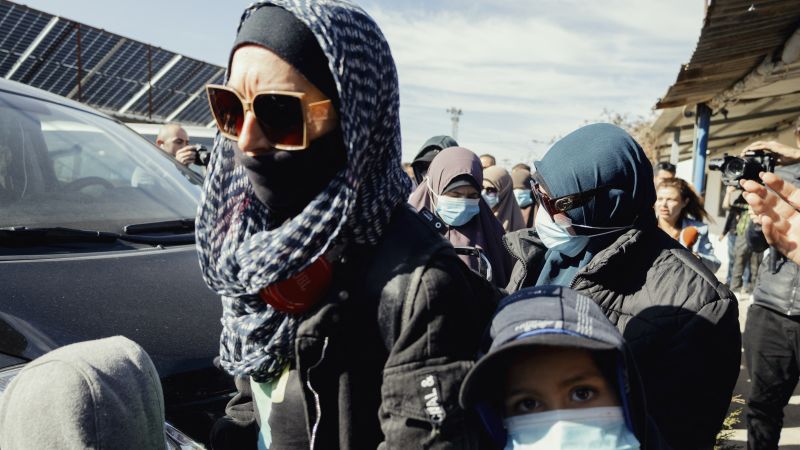
In the vast, complicated tapestry of global affairs, few threads are as tangled as the fate of citizens who chose to leave their home nations to align with extremist groups abroad. Australia, like many Western countries, has grappled with the profound dilemma of what to do about its nationals linked to ISIS in Syrian detention camps. Recently, a failed escape attempt by some of these individuals has brought a definitive, unwavering response from Canberra: they will not be brought home.
It’s a decision that speaks volumes about national security, sovereignty, and the hard lines a government must draw when faced with profound threats. The humanitarian appeals, often compelling, frequently collide head-on with the stark realities of public safety and the rule of law.
The Audacity of Escape and the Unyielding Stance
The story unfolded from the dusty, dire confines of a Syrian detention camp, where individuals linked to the now-defunct Islamic State have been held for years. Among them were Australian citizens, women and children who followed or were taken by family members to the so-called caliphate. While debates have long raged about the ethical and practical implications of repatriating these individuals, particularly the children, the adults involved in the failed escape attempt have effectively sealed their own fate.
Their bid for freedom, reportedly thwarted by local authorities, didn’t just fail; it reinforced Australia’s long-standing policy. The government has consistently maintained that its priority is the safety and security of Australians at home. Bringing back individuals with established links to a designated terrorist organization, especially those who demonstrate a continued desire to circumvent authority, presents an unacceptable risk.
This isn’t just about political will; it’s about pragmatic risk assessment. Repatriating individuals who have been radicalized, or who may still hold extremist ideologies, poses immense challenges for de-radicalization programs, intelligence monitoring, and potential prosecution. The resources required, and the inherent dangers, often outweigh the perceived benefits, particularly when those individuals actively seek to evade custody.
A Line Drawn in the Syrian Desert
The Australian government’s position is clear: these individuals made a choice, and that choice carries consequences. While some might argue for universal humanitarian principles, the government’s primary duty is to its citizens who remained in Australia, who abide by its laws, and who expect protection from potential threats. This incident serves as a stark reminder of the gravity of the choices made by those who voluntarily joined or supported ISIS.
As one security analyst, Dr. Anya Sharma, commented, “Governments face an unenviable dilemma. While there’s a humanitarian impulse, the overriding duty is to protect citizens at home. An escape attempt like this only hardens the resolve to prioritize national security and sends a very clear message about accountability.”
The situation in the Syrian camps remains complex, with significant human suffering, particularly among the children caught in the geopolitical crossfire. However, for those adults directly involved in a failed attempt to escape legitimate detention, the message from Canberra is unambiguous: the door to repatriation is now firmly closed. It’s a tough decision, undoubtedly, but one rooted in the unwavering commitment to national security and the principle that actions have profound ramifications.
This episode underscores a global challenge. How do nations balance their responsibilities to citizens abroad with the imperative to protect those at home? For Australia, at least concerning these individuals, the balance has been struck with an emphasis on firm boundaries and accountability.

