


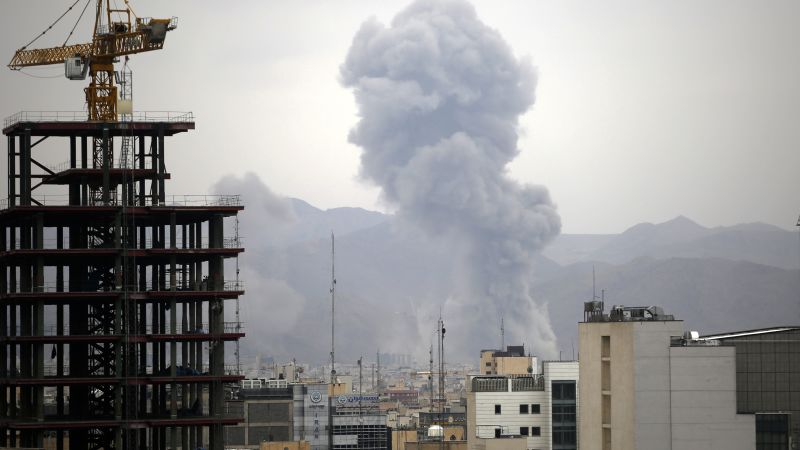
The arteries of global commerce are once again under immense strain. The Strait of Hormuz, a chokepoint unlike any other, has become the focal point of escalating maritime attacks, with Iran launching intense strikes. This isn’t just about ships traversing a narrow waterway; it’s about the intricate balance of regional power, the security of global energy supplies, and the very stability of international trade.
The Strategic Crucible and Iran’s Calculated Posture
Connecting the Persian Gulf to the open ocean, the Strait of Hormuz is arguably the most strategically vital oil transit chokepoint in the world. An astounding one-third of global seaborne oil and a significant portion of liquefied natural gas (LNG) pass through its waters daily. For Iran, situated directly along this critical corridor, the Strait represents not just a border but a powerful lever in its geopolitical strategy.
The intensification of attacks is widely seen as a calculated move by Tehran. Analysts suggest these actions serve multiple purposes: a response to perceived pressures, a demonstration of naval capability, and a clear message to international adversaries regarding its regional influence. Iran’s actions often appear designed to raise the stakes, creating a sense of urgency and instability that it hopes will translate into diplomatic concessions or a recalibration of international policies against it.
As one seasoned maritime security analyst recently put it, “Iran views the Strait not just as a border, but as a lever. Every disruption here is a calculated move to assert its influence and communicate displeasure on a global stage. The aim isn’t necessarily full-scale war, but rather carefully calibrated brinkmanship.” This strategy ensures the world pays attention, often creating ripple effects far beyond the immediate incident.
Ripples Across Global Waters: Impact and Implications
The immediate and most visible impact of these escalating attacks is felt within the shipping industry. Increased risks translate directly into higher insurance premiums for vessels operating in the region, adding significant costs to the already complex logistics of global trade. Shipowners and operators face difficult decisions, from rerouting journeys – adding time and fuel expenses – to enhancing security measures on board, further impacting efficiency and cost.
Beyond the immediate shipping concerns, the broader economic implications are substantial. Given the sheer volume of oil and gas transiting the Strait, any significant disruption or perceived threat can send tremors through global energy markets, leading to volatility in oil and gas prices. Consumers worldwide feel these effects, often in the form of higher fuel costs, underlining how a regional flashpoint can quickly become a global economic challenge.
Furthermore, the increased military presence and heightened tensions in the Strait raise the risk of miscalculation. The potential for an accidental escalation – where a minor incident spirals into a larger confrontation – is a constant concern for regional and international powers. The international community, while condemning the attacks, grapples with how to effectively de-escalate the situation without emboldening further aggression or inadvertently provoking a wider conflict.
The escalating attacks in the Strait of Hormuz are a potent reminder of the fragility of global supply chains and the complex interplay of geopolitics and economics. While Iran’s motivations are multifaceted, the consequences ripple outward, impacting energy markets, shipping, and the delicate balance of regional stability. Navigating this volatile situation requires not only robust security measures but also sophisticated diplomatic efforts to prevent further escalation and protect one of the world’s most critical maritime arteries.

