


The digital age, while democratizing information, has also spotlighted the persistent threats faced by media organizations worldwide. From physical assaults to sophisticated cyberattacks, the guardians of public information often operate under immense pressure. It is against this backdrop that the recent attack, vandalism, and arson at the Dhaka office of Bangladesh’s leading newspaper, Prothom Alo, sends a chilling ripple across the subcontinent, raising significant concerns about press freedom and democratic values in the region.
The Night of Unrest at Prothom Alo
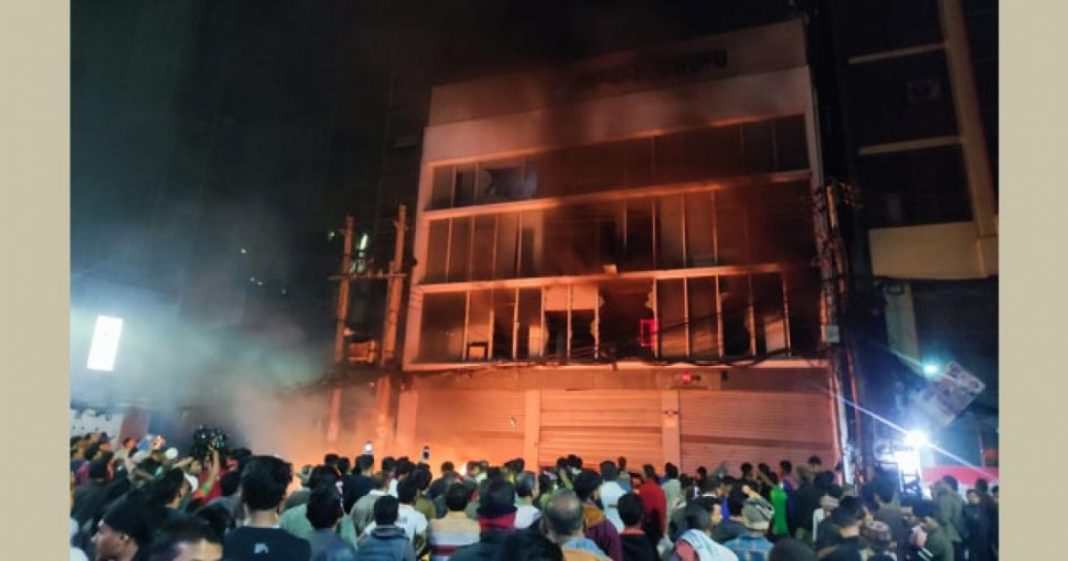
On a tense evening in Dhaka, unidentified assailants launched a brazen attack on the headquarters of Prothom Alo, one of Bangladesh’s most respected and widely circulated Bengali-language dailies. Reports from the ground indicate that a group, whose motives remain unclear and identities unconfirmed, forcibly entered the newspaper’s premises. What followed was a disturbing scene of systematic destruction.
The attackers reportedly vandalized office equipment, including computers, servers, and printing machinery – the very tools essential for daily news production. Worse still, they resorted to arson, setting fires in multiple sections of the office, causing significant damage to infrastructure and critical archives. While specific details about casualties were limited, the primary focus remained on the severe material damage and the psychological trauma inflicted upon the staff present and the broader journalistic community. The incident was not merely an act of hooliganism; it appeared to be a deliberate, calculated attempt to disrupt and silence a prominent voice in Bangladeshi media.
A Blow to Press Freedom: Regional Implications
The assault on Prothom Alo resonates far beyond the borders of Bangladesh, serving as a stark reminder of the fragile state of press freedom in various parts of South Asia. Prothom Alo, known for its investigative journalism, critical reporting on governance, and often independent stance, has been a vital pillar in Bangladesh’s media landscape. Such an attack on an institution of its stature invariably has a profound chilling effect on journalists and media houses across the country, fostering an environment of fear and self-censorship.
From an Indian perspective, the incident in a neighbouring country is particularly concerning. India, as the world’s largest democracy, often champions democratic values and the freedom of the press. Attacks on media in any part of the region undermine regional stability and the collective commitment to democratic principles. A vibrant, independent press is crucial for holding power accountable, fostering transparency, and enabling informed public discourse – cornerstones of any functional democracy. As a prominent South Asian media rights advocate aptly stated, “An attack on a news office is not just an assault on a building; it’s an assault on the very foundation of democracy and the public’s right to information.”
Calls for Justice and the Path Forward
The international community, including various press freedom organizations, has been swift to condemn the attack, calling for a thorough and impartial investigation. Bangladeshi authorities face mounting pressure to identify and bring the perpetrators to justice, sending a clear message that such acts of violence against the media will not be tolerated. Beyond immediate redressal, the incident underscores the urgent need for enhanced protection mechanisms for journalists and media organizations in Bangladesh.
For India and its neighbours, the incident serves as a crucial point of introspection regarding the safety and operational freedom of the press. Upholding democratic institutions means not just protecting electoral processes but also ensuring that the fourth estate can function without fear or favour. The resilience of Prothom Alo and its determination to continue its journalistic mission, despite the significant setback, will be a testament to the enduring spirit of media. The broader challenge, however, remains for governments and civil societies across the region to create an environment where truth-telling is celebrated, not targeted.
The attack on Prothom Alo is a regrettable chapter in the story of South Asian media. Its resolution and the subsequent actions taken will be closely watched, not just as a matter of justice for one newspaper, but as an indicator of the collective resolve to safeguard the bedrock principles of democracy and a free press in a region grappling with complex socio-political dynamics.

