


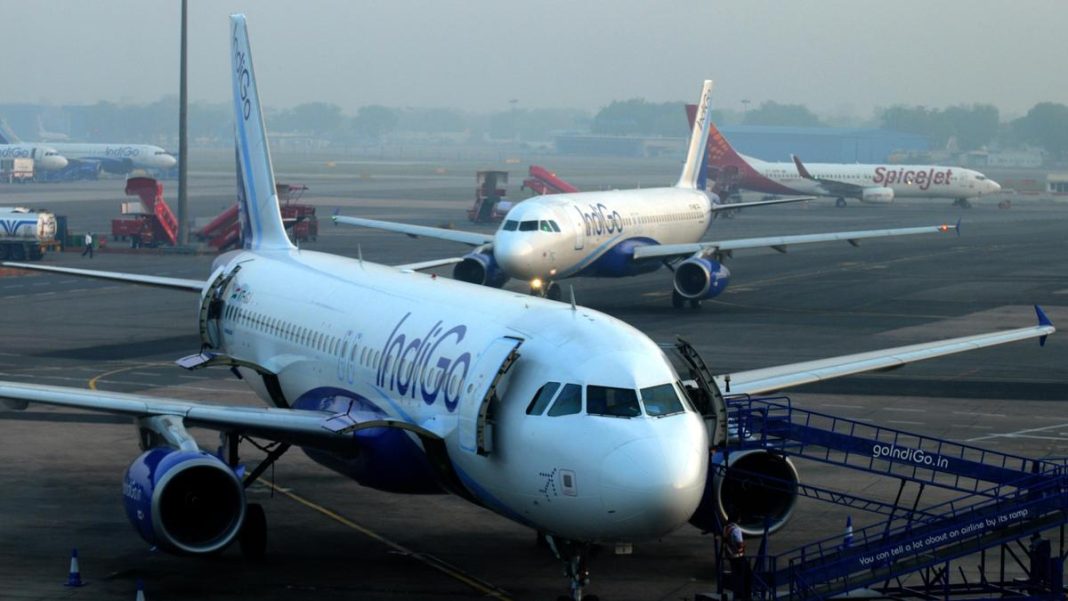
In a significant development that presents a mixed bag for India’s economy and its consumers, state-owned oil marketing companies have announced revised prices for Aviation Turbine Fuel (ATF) and commercial Liquefied Petroleum Gas (LPG), effective April 1st. While the airline industry breathes a sigh of relief with a substantial 7% cut in ATF prices, commercial establishments are bracing for impact as commercial LPG cylinders see a notable hike of ₹111 per unit.
These price adjustments, typically announced on the first day of each month, are crucial indicators of the underlying dynamics in global crude oil markets and their subsequent influence on India’s energy landscape. For a nation heavily reliant on imports for its energy needs, such fluctuations have far-reaching implications, affecting everything from air travel costs to the price of a meal at a local restaurant.
Relief for Airlines: ATF Prices Take a Dive
The aviation sector, a key growth driver and a significant employer, has received a welcome boost with the latest reduction in Aviation Turbine Fuel prices. The steep 7% cut translates to a reduction of approximately ₹6,673.75 per kilolitre in Delhi, bringing the price down to ₹95,935.38 per kilolitre. This marks a continued downward trend for ATF, following previous reductions, offering much-needed respite to airlines grappling with high operational costs.
ATF constitutes a major chunk, often ranging between 30-40%, of an airline’s operational expenditure. A sustained reduction in fuel costs directly impacts their bottom line, potentially allowing for greater profitability, route expansion, or even the possibility of more competitive airfares for passengers. While airlines typically don’t pass on fuel price benefits immediately, a consistent decline can create room for strategic pricing decisions.
The price drop is largely attributed to the softening of international crude oil prices over the past few weeks, coupled with a relatively stable rupee against the US dollar. As India imports over 80% of its crude oil requirements, global market trends are directly reflected in domestic fuel prices. This current trend bodes well for the revival of domestic and international air travel, making it potentially more affordable and stimulating demand.
Commercial LPG: Businesses Brace for Higher Costs
In stark contrast to the aviation sector’s good news, businesses relying on commercial LPG cylinders are facing increased pressure. Effective April 1st, the price of a 19-kg commercial LPG cylinder has been hiked by ₹111, pushing its retail price in Delhi to ₹2,028. This increase comes after a period of relative stability, and for many, it represents an additional burden on already thin profit margins.
The primary users of commercial LPG include restaurants, hotels, catering businesses, canteens, and various small-scale industrial units. For these establishments, LPG is an indispensable energy source for cooking and other operations. The hike means an immediate increase in their input costs, which often leads to difficult decisions regarding pricing or absorbing the additional expense.
“Fluctuations in commercial LPG prices are a constant challenge for the hospitality sector,” commented Rohit Sharma, owner of a popular eatery in Mumbai. “While we try our best not to pass on every increase to our customers, a hike of this magnitude puts immense pressure on our operating expenses. We have to constantly re-evaluate our menu pricing and efficiency to stay afloat.”
The ripple effect of this increase can be felt across the economy. Higher costs for restaurants might translate into slightly more expensive meals for consumers. For small businesses, it could impact their competitiveness and operational viability, especially as they continue to recover from economic slowdowns. It is crucial to note that this hike pertains only to commercial cylinders; the price of domestic LPG cylinders (14.2 kg) remains unchanged for now, providing some relief to household budgets.
The Broader Economic Picture and Future Outlook
These dual price adjustments highlight the inherent volatility of global energy markets and their complex impact on India’s economy. While the ATF price cut offers a strategic advantage to a crucial sector like aviation, fostering growth and connectivity, the commercial LPG hike adds inflationary pressure on a segment that directly impacts daily consumer prices and small business resilience.
The government and oil marketing companies continuously monitor global crude oil benchmarks, refining margins, and currency exchange rates to determine domestic fuel prices. The coming months will likely see continued adjustments based on the geopolitical landscape, OPEC+ decisions, and global demand-supply dynamics. For businesses and consumers alike, understanding these movements is key to navigating India’s dynamic economic environment.
Ultimately, while one sector enjoys a moment of relief, another grapples with tighter margins, underscoring the delicate balance required in managing India’s vast and diverse energy consumption needs.

