


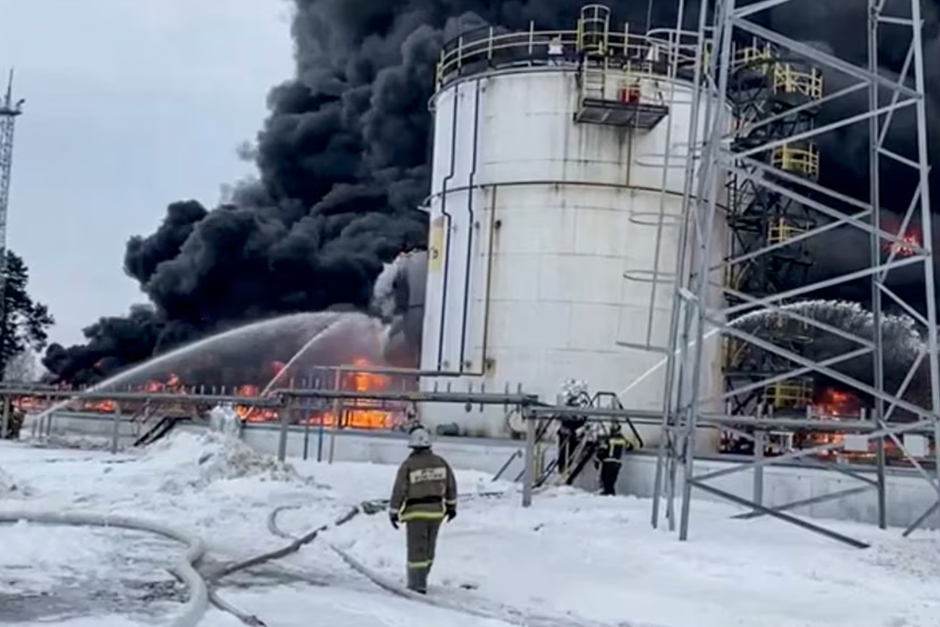
The conflict in Eastern Europe isn’t confined to the front lines. A less visible, yet increasingly impactful, struggle unfolds hundreds of miles behind the traditional battlefields: a relentless campaign targeting Russia’s vital energy infrastructure. Ukrainian drone strikes on Russian fuel facilities have become a regular feature of the news cycle, prompting a crucial question: how effectively are these strikes disrupting Russia’s fuel supplies, and what are the broader consequences?
The Direct Hit: Refinery Throughput and Repair Woes
The primary and most immediate impact of these strikes is the physical damage inflicted upon Russian oil refineries. These aren’t just minor dents; many attacks have successfully targeted critical processing units, leading to significant reductions in output. When a crude distillation unit or a catalytic cracker is taken offline, it’s not simply a matter of patching a hole. These are complex, high-tech installations, and repairs often require specialized equipment and expertise that can be hard to source, especially given existing international sanctions.
Initial estimates following a major strike often speak of capacity reductions ranging from 10% to 15% across affected facilities. While Russia has vast oil reserves, its refining capacity is finite, and the ability to process crude into usable products like gasoline, diesel, and jet fuel is paramount. Prolonged outages mean less refined product reaching the market, creating bottlenecks and forcing the diversion of resources towards repairs, sometimes for months on end. This sustained pressure is not just about a single explosion; it’s about a cumulative erosion of operational efficiency and a significant drain on national resources.
Beyond the Blast: Economic Ripple Effects
The reverberations of these strikes extend far beyond the immediate damage to the refineries. Domestically, there’s a tangible economic squeeze. Less refined fuel means higher prices at the pump for ordinary citizens and businesses. For a nation as vast as Russia, where logistics heavily rely on road and rail transport, rising diesel costs can have a cascading effect, increasing the price of everything from food to construction materials.
The agricultural sector, particularly during planting and harvesting seasons, is acutely vulnerable to fuel shortages and price hikes. Farmers rely heavily on diesel for their machinery, and any disruption can directly impact food production and supply chains. Furthermore, the need to protect these vital facilities has forced the Kremlin to reallocate air defense systems, diverting them from front-line support or major cities. This strategic dilemma creates new vulnerabilities and strains military planning.
As one Moscow resident, a small business owner, lamented recently, “It’s not just about the explosions; it’s about the silent squeeze on everyday life. My cousin runs a trucking business, and he’s seeing fuel costs rise almost weekly. It’s making everything harder.” This sentiment underscores the psychological impact – a growing awareness among the populace that even distant conflicts can hit close to home, affecting their wallets and daily routines.
In conclusion, while these Ukrainian strikes might not halt Russia’s war effort overnight, their impact is far from negligible. They represent a sophisticated strategy to degrade Russia’s economic resilience, strain its logistical capabilities, and create internal pressures. By targeting the arteries of Russia’s fuel supply, Ukraine is forcing Moscow to contend with not just a military front, but a growing domestic economic challenge that could have long-term strategic implications. The cat-and-mouse game over the skies of Russia’s energy heartland continues, shaping the conflict in ways both direct and subtly profound.

