


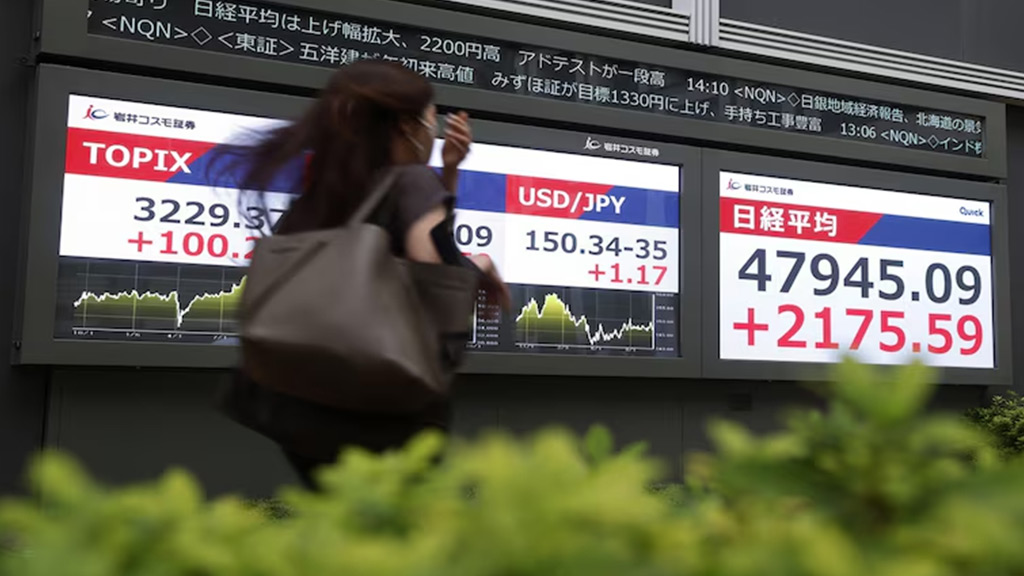
A palpable shift is sweeping across global financial markets, and nowhere is its impact felt more acutely than in Asia. The tech sector, once the darling of investors and a seemingly unstoppable force, is now facing a significant re-evaluation. This accelerated tech sell-off, driven by a confluence of factors ranging from inflation fears to rising interest rates, is sending a pronounced chill through Asian stock markets, which are deeply integrated into the global technology ecosystem.
For years, Asian tech companies have powered innovation, manufacturing, and e-commerce on a truly global scale. From semiconductor giants to consumer electronics behemoths and digital platform innovators, the region has been at the forefront. Now, as investor sentiment sours on high-growth, often richly valued tech stocks worldwide, the reverberations are undeniable, prompting a period of introspection and adjustment.
The Tech Tide Recedes: Why Asia Feels the Chill
The current global tech downturn isn’t happening in a vacuum. It’s a direct response to a changing economic landscape. Central banks worldwide are tightening monetary policy to combat persistent inflation, making borrowing more expensive and future earnings less attractive when discounted back to the present. This shift has led investors to rotate out of growth-oriented tech stocks, which often thrive on cheap capital and optimistic future projections, and into more value-oriented sectors.
Asia, with its heavy weighting in technology and tech-adjacent industries, is particularly vulnerable. Major indices in countries like South Korea, Taiwan, and even parts of China are dominated by companies whose fortunes are tied directly to the health of the tech sector. When global demand for semiconductors slows, or when the valuations of software and e-commerce platforms come under scrutiny, these markets feel an immediate and substantial impact. The tech darlings that once boasted seemingly endless upside are now grappling with a market that demands profitability and tangible returns in the near term, rather than just exponential growth projections.
Beyond the Big Names: Supply Chains and Economic Ripples
The effects of this tech sell-off extend far beyond the market capitalization of a few household names. Asia is the world’s factory floor for much of the technology we use daily. This means the downturn impacts not just the mega-cap companies, but also the intricate web of small and medium-sized enterprises that form the backbone of the global tech supply chain. Component manufacturers, assembly plants, raw material suppliers – all are intertwined with the health of the broader tech market.
A slowdown in tech means reduced orders, inventory adjustments, and potential cutbacks in investment and employment across these critical sectors. This creates a ripple effect that touches national economies, especially those heavily reliant on tech exports. Governments and businesses alike are now contending with the prospect of slower growth, challenging a narrative of continuous expansion that has largely defined the region’s recent economic journey.
As one veteran market watcher, Mei Ling, recently observed, “What starts as a re-evaluation of high-growth tech in the West quickly cascades eastward. Asian markets, so deeply integrated into the global tech ecosystem, are often the first to feel the tremors from shifting investor sentiment.” This insight underscores the interconnectedness of today’s global economy and the specific exposure of Asian markets.
Navigating Choppy Waters
While the immediate outlook for Asian tech stocks appears challenging, it’s crucial to distinguish between short-term market adjustments and long-term structural trends. Asia remains a powerhouse of innovation, boasting a growing middle class, robust digital infrastructure, and a continuous drive for technological advancement. The current sell-off, while painful, could also be seen as a necessary cleansing, bringing valuations back to more sustainable levels and rewarding companies with strong fundamentals and clear paths to profitability.
Investors and businesses alike will need to navigate these choppy waters with discernment. The era of easy money and indiscriminate growth stock buying appears to be over, at least for now. A more selective approach, focusing on resilience, innovation, and genuine value, will likely define the investment landscape for Asian tech in the coming period. The region’s inherent strengths suggest that while the current headwinds are strong, the underlying innovative spirit and economic dynamism are unlikely to be extinguished permanently.
—

