


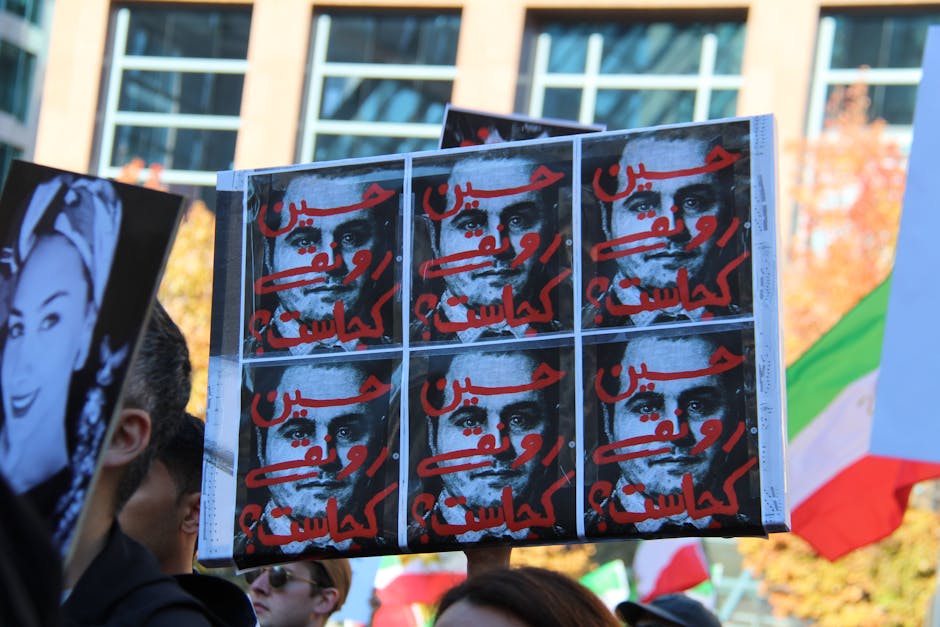
The distant thunder of war, even when geographically remote for many, often sends tremors through the delicate architecture of the global economy. As the conflict in Iran persists, a palpable sense of unease is settling over boardrooms, financial markets, and household budgets worldwide. It’s a slow-burn worry, gradually intensifying as the humanitarian toll mounts and the economic implications become increasingly undeniable. This isn’t just about immediate headlines; it’s about the erosion of stability, the disruption of vital arteries, and the profound impact on our shared financial future.
The Tightrope Walk: Energy, Trade, and Inflation
Perhaps the most immediate and glaring concern stems from the region’s pivotal role in global energy supply. Iran sits astride the Strait of Hormuz, a chokepoint through which a significant portion of the world’s seaborne oil passes. Even without direct disruption to this crucial waterway, the mere presence of ongoing conflict introduces a substantial risk premium into global oil prices. Traders and nations are hedging against potential supply shocks, pushing prices upward. This isn’t just about gasoline at the pump; higher energy costs feed into every sector, from manufacturing and transportation to food production.
Beyond oil, the broader supply chains are facing renewed scrutiny. Shipping routes, insurance costs, and the general flow of goods are all vulnerable to regional instability. As companies re-evaluate their logistical strategies and potentially seek alternative, often more expensive, pathways, these costs inevitably trickle down to consumers. We are already grappling with persistent inflationary pressures, and a prolonged conflict in such a strategically vital region only adds fuel to that fire, making the fight against rising prices even more challenging for central banks globally.
Shaky Ground: Investor Sentiment and Market Volatility
Financial markets thrive on predictability and stability. The ongoing war in Iran, however, introduces a profound layer of uncertainty that makes long-term planning a dangerous gamble. Investors, always sensitive to geopolitical headwinds, are increasingly adopting a cautious stance. This translates into increased market volatility, a flight to safe-haven assets like gold or certain stable currencies, and a general reluctance to commit to new investments.
As one seasoned economic analyst recently observed, “The prolonged nature of this conflict isn’t just about immediate oil spikes; it’s about the cumulative erosion of confidence. Businesses delay expansion, foreign direct investment slows, and that hesitancy has a cascading effect on job creation and overall economic growth.” This sentiment underscores a deeper concern: a protracted period of global economic anxiety can stifle innovation, curb consumer spending, and ultimately lead to a slowdown that impacts every nation, regardless of its direct involvement in the conflict.
Beyond Borders: Geopolitical Dominoes and Interdependence
The economic ramifications of the war are not confined to the immediate vicinity or even just to energy markets. Modern economies are intricately interconnected, and instability in one major region can trigger a series of unfortunate events across the globe. Regional tensions can escalate, potentially drawing in more global powers and creating new flashpoints that further disrupt trade, investment, and international cooperation.
Furthermore, the conflict forces a re-evaluation of global alliances and supply chain resilience. Nations may begin to prioritize security of supply over efficiency, leading to a fragmentation of global trade networks and potentially higher costs in the long run. The psychological impact on consumer confidence is also significant; a world perpetually on edge, grappling with persistent crises, is less likely to engage in the robust spending and investment that drives economic prosperity. This complex interplay of geopolitics, energy, and market sentiment creates a deeply unsettling outlook for the global economy, making the world’s apprehension not just understandable, but entirely rational.
The war in Iran isn’t just a regional tragedy; it’s an economic earthquake whose aftershocks are being felt across continents. The longer it continues, the deeper the grooves of uncertainty become, and the more challenging it will be to navigate the path toward stable global prosperity. The world watches, hoping for peace, and increasingly worried about the economic storms that might follow.

