


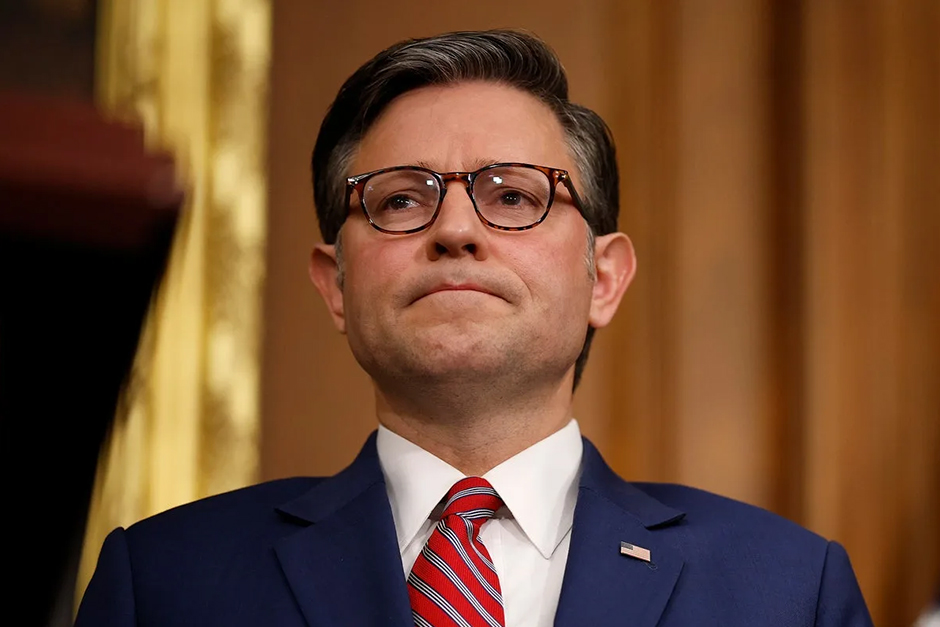
In a twist that highlights the growing tensions in Washington, Arizona’s Attorney General has taken the extraordinary step of suing Speaker Mike Johnson. The heart of the matter? The refusal to promptly seat a newly elected House member, a move sparking significant debate about constitutional duties and political power. This isn’t just a procedural dispute; it’s a direct challenge to the authority of the House Speaker and the very process of representative democracy.
The Vacant Seat and the Electoral Mandate
The saga began when a congressional seat in Arizona became vacant, necessitating a special election to fill the void. Voters in the affected district cast their ballots, and a clear victor emerged, ready to represent their constituents in the nation’s capital. However, despite the election results being certified, the individual has not yet been sworn into office. This delay isn’t a mere administrative hiccup; it’s being interpreted by some as a deliberate obstruction of the democratic process, leaving thousands of Arizonans without their rightful voice in the House of Representatives. This situation, where a duly elected representative is left unseated, directly challenges the foundational principles of representative government, where the will of the voters is expected to translate swiftly into legislative action.
A Legal Showdown Over House Authority
Arizona Attorney General Kris Mayes initiated the lawsuit, arguing that the Speaker’s inaction directly violates federal law and the constitutional rights of Arizona voters. The core of her argument posits that once an election is certified, the House has a clear, non-discretionary duty to administer the oath of office. She contends that the Speaker does not possess the authority to unilaterally delay the seating of an elected member, especially when all legal requirements have been met. The lawsuit isn’t merely about one seat; it’s a profound challenge to the Speaker’s interpretation of House rules and the procedural norms of Congress.
It asks the courts to compel the Speaker to fulfill what the AG views as a fundamental duty, ensuring the timely representation of a state’s citizens. As one political analyst remarked, “This isn’t just a squabble over rules; it’s a battle for the very principle that every vote counts and every elected representative deserves their seat without undue delay.” The legal action aims to clarify the limits of congressional leadership’s power in such situations, potentially setting a significant precedent for future special elections and the power dynamics within the House of Representatives.
What’s at Stake for American Democracy
This legal confrontation underscores a broader struggle over the balance of power between states and the federal government, and within Congress itself. It raises critical questions about the Speaker’s discretion versus constitutional obligations to uphold election results. The outcome of this case could impact how effectively states can ensure their representation in Washington and the pace at which the federal legislature must acknowledge the will of the voters. For many, the principles of timely representation and the respect for certified election outcomes are non-negotiable cornerstones of a functioning democracy.
As this unusual case unfolds, its outcome could set a significant precedent for how future vacancies are handled and how swiftly – or slowly – the will of the people is enacted in Washington. For now, the spotlight remains firmly on the mechanisms of American democracy and the lengths to which states will go to protect their representation.

