


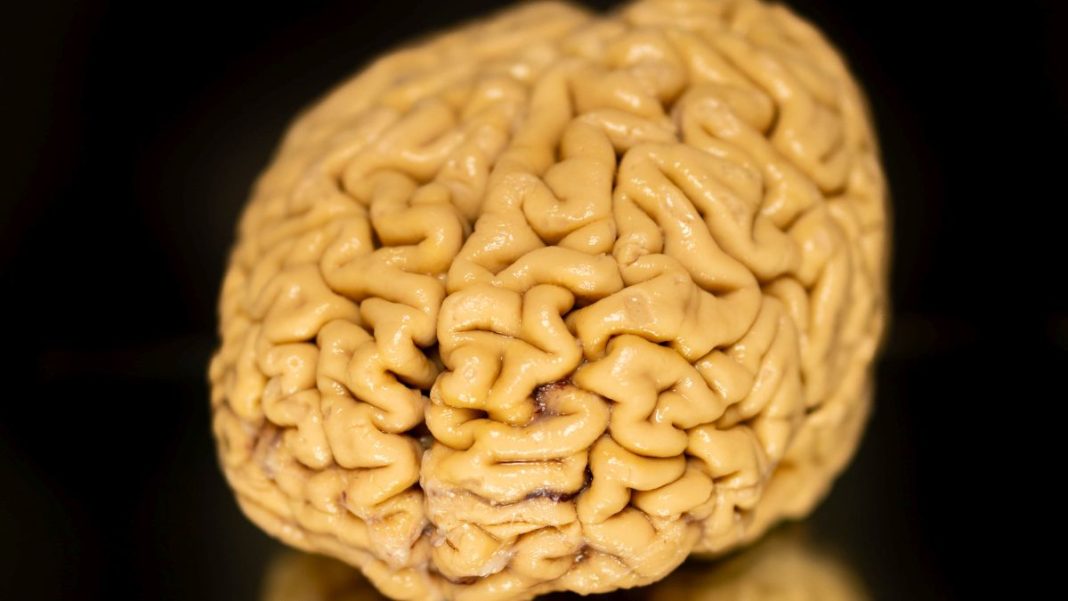
Imagine living a century, not just physically, but with the sharp wit, vibrant curiosity, and impeccable memory of someone decades younger. These are the superagers – a remarkable group defying conventional notions of aging. For years, scientists have been trying to unlock the secrets behind their incredible cognitive resilience. One tantalizing question keeps resurfacing: are new brain cells the hidden key to their enduring mental prowess?
The Remarkable Minds of Superagers
Superagers aren’t just healthy seniors; they’re a select cohort of individuals typically 80 years and older whose episodic memory (the ability to recall specific events and experiences) and overall cognitive performance match that of people 20 to 30 years their junior. They remain active, socially engaged, and intellectually curious. While most brains experience some degree of atrophy and cognitive decline with age, superagers seem to dodge these bullets, maintaining robust neural networks and exceptional processing speeds.
Scientists have meticulously studied their brains, both through imaging while alive and post-mortem, looking for any unique biological markers. What sets them apart? Is there a fundamental difference in how their brains are structured or how they function at a cellular level that could explain their extraordinary abilities?
Unpacking Neurogenesis: A Piece of the Puzzle?
For a long time, the scientific community believed that once we reached adulthood, the creation of new neurons, a process called neurogenesis, largely ceased. However, in recent decades, research has confirmed that neurogenesis continues in specific brain regions, most notably the hippocampus – a crucial area for learning and memory formation. This discovery immediately raised questions about its potential role in maintaining cognitive function throughout life.
When researchers began examining the brains of superagers, they looked for evidence of enhanced neurogenesis or other unique cellular features. Some compelling studies have indeed found differences. For instance, post-mortem analyses of superager brains have revealed a greater number of large, specialized neurons in the entorhinal cortex, a region vital for memory and navigation, compared to typical older adults. Other findings point to a higher density of certain types of neurons or even more robust existing neurons in key memory circuits.
However, the picture isn’t as simple as “more new cells equals super brain.” Dr. Anya Sharma, a neuroscientist we spoke with, explained, “It’s not simply about having more new cells; it’s about how those cells integrate and contribute to a resilient network, and whether they are more robust to age-related changes. It’s the quality and connectivity of these cells that often matter more than just their raw number.” This suggests that while neurogenesis might play a role, it’s likely part of a much larger, intricate biological symphony.
Beyond Just New Neurons: The Holistic View
While the prospect of abundant new brain cells is exciting, most experts agree that superagers’ incredible minds are the result of a multifaceted interplay of factors, not a single cellular phenomenon. Alongside potential differences in neurogenesis or neuronal health, other critical elements come into play:
- Stronger Connections: Superagers often exhibit stronger and more efficient neural networks, allowing information to flow more smoothly across brain regions.
- Resilience to Damage: Their brains appear more resilient to age-related pathologies, such as amyloid plaques and tangles, which are typically associated with Alzheimer’s disease, even if present at lower levels.
- Lifestyle Factors: Many superagers maintain active lifestyles, engage in mentally stimulating activities, have strong social networks, and often follow healthy diets. These behaviors are known to promote brain health and potentially support neurogenesis and synaptic plasticity.
- Emotional Regulation: Studies suggest superagers often report lower levels of anxiety and depression, indicating a potential link between emotional well-being and cognitive preservation.
It’s plausible that these lifestyle factors and psychological traits either directly contribute to the observed cellular differences or work in tandem to create an environment where the brain can thrive and adapt, even with the passage of time.
Unlocking the Future of Cognitive Health
So, are new brain cells the secret to superagers’ incredible minds? It seems they are certainly a compelling piece of the puzzle, but likely not the sole answer. The mystery of superaging is a complex tapestry woven from genetics, lifestyle, environmental factors, and the amazing adaptability of the human brain. Understanding the unique cellular characteristics of superagers, including any enhanced neurogenesis or robust neuronal structures, provides invaluable insights into preventing cognitive decline. Ultimately, their remarkable lives offer a powerful message: the human brain possesses an extraordinary capacity for resilience and growth, even into our later years, encouraging us all to nurture our minds with curiosity, connection, and constant engagement.

