


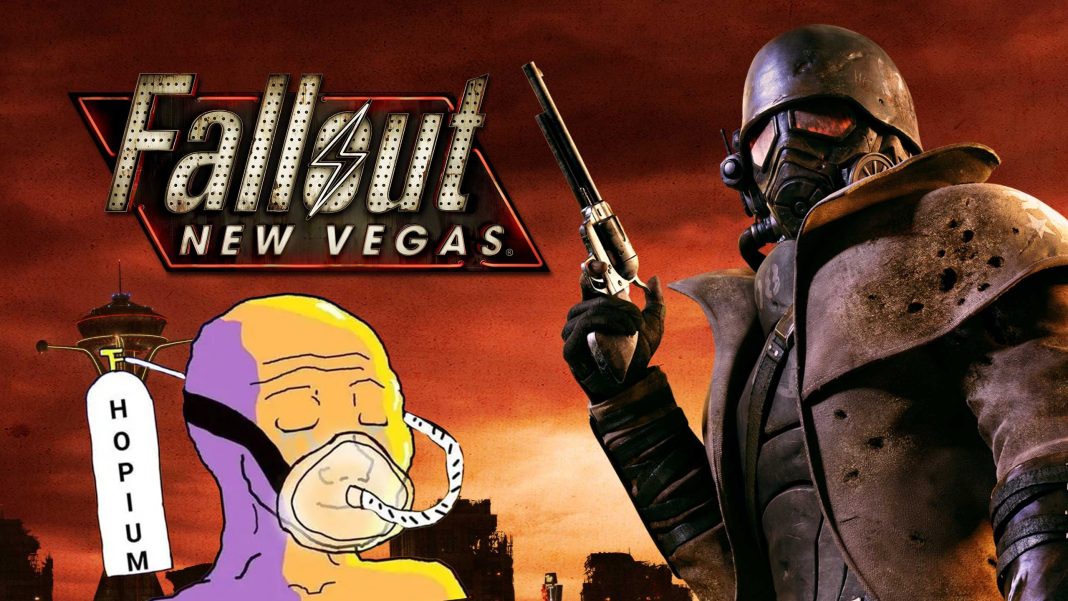
The wasteland has never been more vibrant. Thanks to the monumental success of the new Fallout TV series, a fresh wave of excitement, curiosity, and nostalgia has swept across the globe. Suddenly, everyone is either revisiting the irradiated landscapes of old or experiencing them for the very first time. And with this resurgence comes an inevitable question, whispered in forums and shouted on social media: “Are Fallout remakes on the way?”
Sadly, for those dreaming of a modern graphical overhaul for the classics like Fallout 1, 2, or even the beloved New Vegas, the answer is a resounding ‘no.’ While the desire is palpable, the reality of game development, studio priorities, and existing commitments paints a different picture. Let’s delve into why these highly anticipated remakes remain firmly in the realm of fan fantasy.
The Undeniable Call of Nostalgia and Modern Expectation
It’s easy to understand why fans crave remakes. The original Fallout games, particularly those developed by Interplay and Obsidian, laid the groundwork for one of gaming’s most iconic universes. Their intricate storytelling, moral ambiguities, and unforgettable characters created a legacy that endures decades later. However, time marches on, and game design has evolved dramatically. Playing a top-down isometric RPG from the late 90s, or even a Bethesda-era title like Fallout 3 or New Vegas with their older mechanics and visuals, can be a jarring experience for modern players.
Imagine the dusty Nevada desert of New Vegas rendered with today’s graphical fidelity, or the dark humor of Fallout 2 delivered with modern voice acting and cinematic flair. The thought is intoxicating. Other beloved franchises, from Resident Evil to Final Fantasy, have successfully revitalized their classics with full-blown remakes, proving the commercial and critical viability of such endeavors. This trend only fuels the hope that Fallout might follow suit, giving these foundational experiences a new life for a new generation, and a fresh coat of paint for veterans.
Bethesda’s Packed Pipeline and Strategic Focus
While the fan desire for remakes is strong, Bethesda Game Studios, the current custodians of the Fallout IP, has a notoriously full development plate. Their strategic focus is firmly on future projects and ongoing live-service games, rather than extensive dives into their rich back catalog. The company recently launched Starfield, their ambitious new IP, which demands continuous support, updates, and upcoming expansion content. This alone is a significant undertaking requiring a substantial portion of their development resources.
Beyond Starfield, the gaming world is keenly aware of the elephant in the room: The Elder Scrolls VI. This monumental sequel has been in pre-production for years and is set to be Bethesda’s next flagship single-player RPG. Developing a game of that scale and ambition requires immense dedication from their core teams, leaving little bandwidth for side projects, especially ones as complex as a full remake. Furthermore, Fallout 76, their multiplayer online entry into the franchise, continues to receive regular content updates, further demonstrating Bethesda’s commitment to evolving its existing titles rather than rebuilding old ones.
As one long-time industry observer put it, “Bethesda’s plate is full, not just with their primary IP, but with ensuring their current live-service games maintain player engagement. A full-scale remake of a decades-old title, no matter how beloved, is a monumental undertaking that requires significant resources they currently have allocated elsewhere.” The effort required to truly remake an older Fallout title, especially those built on different engines or with different design philosophies, would be akin to developing an entirely new game. Given their current trajectory and massive future projects, it simply isn’t a priority.
Looking Forward, Not Backward
While the absence of official remakes might sting, it doesn’t diminish the incredible health of the Fallout franchise. The success of the Amazon series has injected new life and excitement, bringing millions into the wasteland. Bethesda’s continued support for Fallout 76 ensures a persistent multiplayer experience, and the eventual development of a new mainline Fallout game (though likely many years away, after The Elder Scrolls VI) promises fresh adventures. For now, fans can revel in the current excitement, revisit the classics on their existing platforms, and look forward to the future of this enduring post-apocalyptic saga, even if it doesn’t involve a glossy, modern re-imagining of its past glories.

