


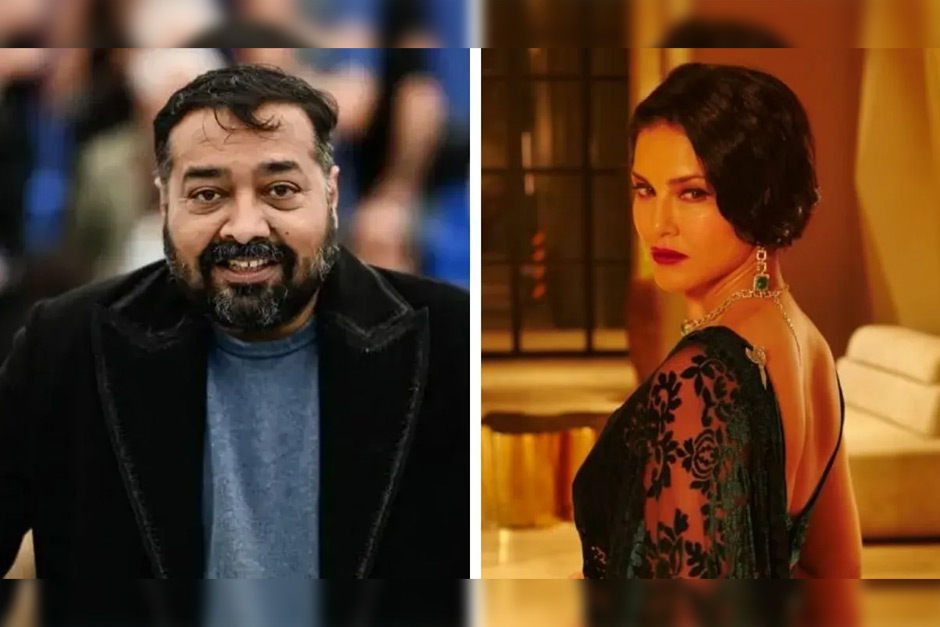
After much anticipation and a celebrated premiere at the Cannes Film Festival, Anurag Kashyap’s gritty neo-noir film, Kennedy, has finally made its way to Indian screens. The film, starring Rahul Bhat and Sunny Leone, has been a significant point of discussion since its international debut. However, its domestic release arrives with a caveat: numerous cuts mandated by the Central Board of Film Certification (CBFC). These deletions, particularly the removal of references to figures like Dawood Ibrahim and Donald Trump, have reignited the perennial debate surrounding artistic freedom and censorship in Indian cinema.
Journey to Indian Screens: From Cannes to Censor Board
Kennedy first garnered international attention when it premiered at the Cannes Film Festival 2023 as part of the Midnight Screenings section. The film received a standing ovation, with critics praising Kashyap’s signature dark storytelling, the compelling performances of its lead actors, and its unsettling exploration of a disillusioned former police officer. This global acclaim fueled immense excitement among Indian cinephiles, who eagerly awaited its domestic release. Kashyap, known for his unflinching portrayal of society’s underbelly, has a dedicated following that values his unfiltered narrative style.
However, the journey from Cannes to Indian theatres proved to be a challenging one. The film faced a prolonged review process by the CBFC, the statutory body responsible for certifying films for public exhibition in India. The CBFC’s mandate is to ensure films adhere to certain guidelines, often related to themes of violence, obscenity, and political or religious sensitivities. The delay in Kennedy‘s release hinted at potential content issues, setting the stage for the cuts that have now become a central talking point.
The Deleted Scenes: Dawood, Trump, and Dialogue
The most significant alterations to Kennedy involve the removal of specific references and dialogues that the CBFC deemed unsuitable for Indian audiences. Among these, the deletion of mentions of notorious underworld figure Dawood Ibrahim and former US President Donald Trump stands out. While the exact context of these references within the film’s narrative remains with those who have seen the original cut, their removal points to the CBFC’s sensitivity towards content that might be perceived as politically charged, inflammatory, or potentially controversial.
Dawood Ibrahim Reference:
The deletion of Dawood Ibrahim’s name likely stems from concerns about inadvertently glorifying or sensationalising a figure associated with organised crime and terrorism, or conversely, presenting a critical view that could lead to unforeseen reactions. Indian film regulators often tread carefully when it comes to depicting real-life controversial personalities, particularly those with a history tied to national security concerns.
Donald Trump Reference:
Similarly, the removal of Donald Trump’s name suggests a desire to maintain political neutrality and avoid any commentary that could be interpreted as endorsing or criticising a major international political figure. In a globalised world, such references, even if satirical or purely contextual, can sometimes be seen as unnecessarily provocative by regulatory bodies.
Beyond these prominent deletions, sources indicate that other dialogues and perhaps even some visual elements deemed inappropriate were also excised. The cumulative effect of these cuts, according to film critics who have seen both versions, potentially alters the film’s original tone and thematic depth. As prominent film critic, Rohit Gupta, writing for a national daily, observed, “While the joy of ‘Kennedy’ finally reaching Indian audiences is palpable, these substantial cuts undeniably alter the intended socio-political commentary, forcing viewers to ponder the true extent of artistic freedom in our cinematic landscape.”
Filmmaker’s Vision vs. Regulatory Framework
Anurag Kashyap has historically been vocal about his experiences with the Indian censor board, often navigating a tightrope between his artistic vision and the CBFC’s guidelines. This instance with Kennedy is another chapter in the ongoing saga of filmmakers striving for creative expression in a country with a robust, often conservative, regulatory framework. The cuts raise important questions about who ultimately shapes the narrative that reaches the public and whether such interventions dilute the original intent of the artist.
While the CBFC operates within its mandate to ensure films are suitable for public viewing as per Indian laws, the film community frequently argues that excessive censorship stifles creativity and prevents audiences from engaging with diverse and challenging perspectives. The release of Kennedy in its altered form serves as a poignant reminder of this continuous tension, leaving audiences to wonder about the ‘unseen’ version and the stories that remain untold on Indian screens.
Kennedy’s journey to Indian theatres is a testament to the persistent challenges faced by filmmakers pushing artistic boundaries. While audiences can now finally experience Kashyap’s latest work, the debate over censorship and artistic integrity in Indian cinema is far from over. The film’s release, with its noticeable omissions, undoubtedly adds another layer to its narrative, not just on screen but also in the broader cultural discourse about freedom of expression in India.

