


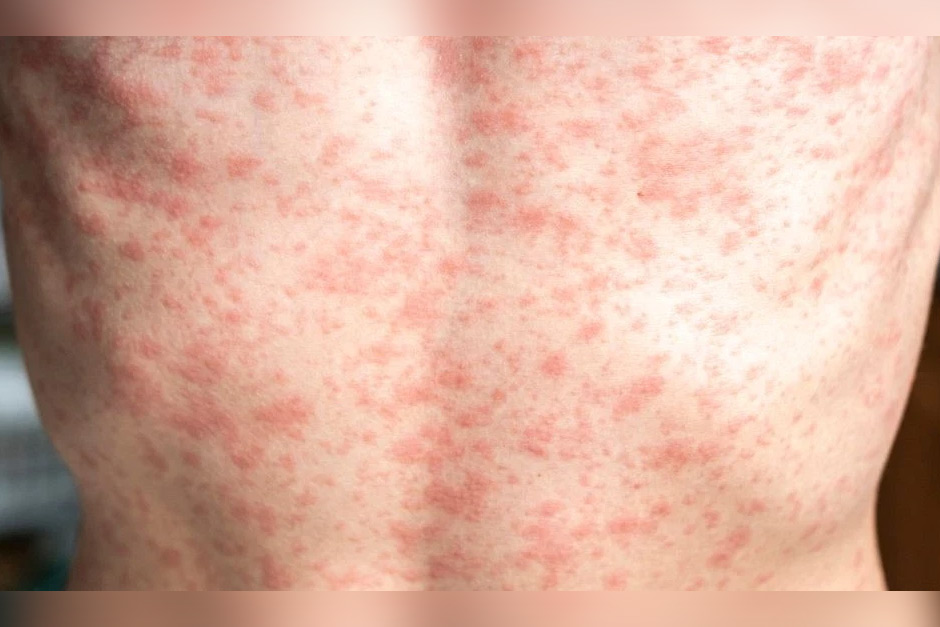
Reports surfacing from Virginia indicate another instance of a child contracting measles following a trip abroad. This specific case, while concerning on its own, fits into a broader pattern seen not just in Virginia, but across various regions. It highlights the inherent challenges of managing highly contagious diseases in an era of frequent global travel and underscores the continuous need for public health vigilance.
The Global Connection: Travel and Disease Spread
International travel, a cornerstone of modern life, unfortunately also serves as a potent pathway for the global transmission of infectious diseases. When individuals travel to areas where diseases like measles are more prevalent, or where vaccination rates differ significantly, they can unknowingly bring infections back to their home communities. The journey itself can be a vector.
Measles, known for its long incubation period—the time between exposure to the virus and the appearance of symptoms—can mean an infected person might travel through busy airports, board planes, and interact with many people before any signs of illness even appear. This makes containment particularly challenging upon re-entry into a country or region, as the virus can already be circulating before it’s identified.
Understanding Measles: A Highly Contagious Threat
Measles is not merely a childhood rash; it is a highly contagious respiratory disease caused by a virus. Its initial symptoms often resemble a common cold – fever, cough, runny nose, and red eyes – followed by a distinctive rash that typically starts on the face and spreads downwards across the body. The severity of measles is often underestimated, but its implications can be serious.
What makes measles particularly concerning is its extraordinary contagiousness. The virus can live in the air and on surfaces for up to two hours after an infected person coughs or sneezes. An unvaccinated person sharing airspace with someone who has measles has a very high chance – often cited as 9 out of 10 – of contracting the disease. While often treatable, measles can lead to severe complications, including pneumonia, encephalitis (brain swelling), and even death, especially in young children, pregnant individuals, or those with weakened immune systems. The good news, however, is that it is preventable through vaccination.
Collective Immunity and Public Health Responsibility
The primary defense against widespread measles outbreaks is high vaccination coverage, leading to what is known as herd immunity. This phenomenon occurs when a sufficiently large proportion of a community is immune to a disease, making its spread unlikely and thereby protecting those who cannot be vaccinated, such as infants too young for the vaccine or individuals with certain medical conditions.
Public health officials consistently emphasize the importance of maintaining high vaccination rates to protect these vulnerable groups. “Every new case of measles, especially one linked to international travel, reminds us of the continuous need for vigilance,” explains Dr. Evelyn Reed, a public health specialist. “It underscores why vaccination isn’t just a personal choice, but a collective responsibility to protect our entire community, particularly the most vulnerable among us.” When vaccination rates decline in certain areas, even slightly, it creates pockets of vulnerability where imported cases can quickly take root and spread, potentially leading to larger outbreaks. This is why cases emerging after international travel are closely monitored, as they represent a potential entry point for the virus into susceptible populations.
The recent measles case in Virginia, following a trip abroad, serves as a significant prompt for communities everywhere. In an interconnected world where international travel is commonplace, understanding the global health landscape and reinforcing local public health measures becomes paramount. Maintaining high vaccination rates and practicing informed travel precautions are essential steps not only for individual health but for the collective well-being of our communities.
*

