


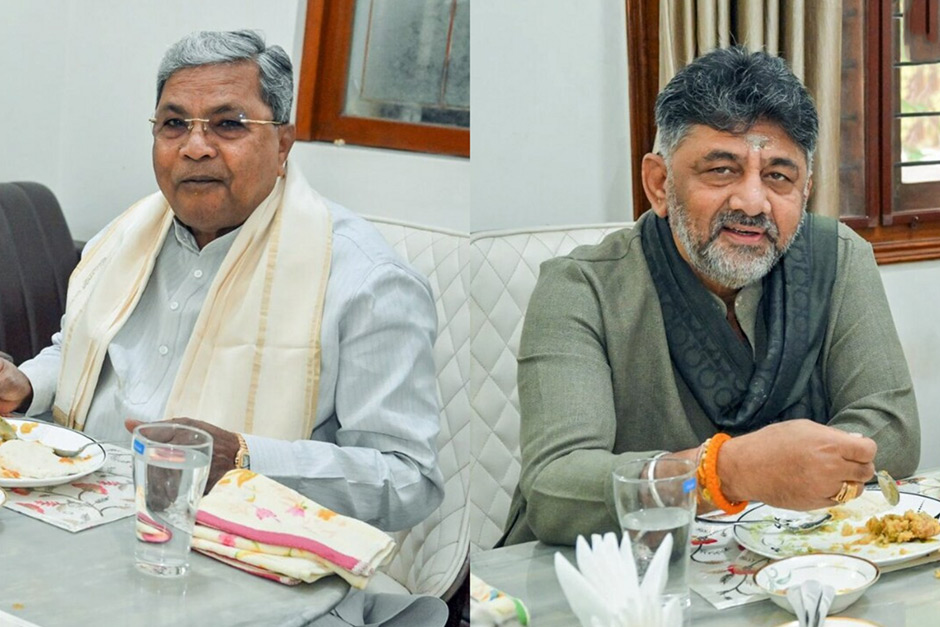
In a political landscape often defined by subtle cues and strategic optics, a recent breakfast meeting at the Bengaluru residence of Karnataka Deputy Chief Minister D.K. Shivakumar, attended by Chief Minister Siddaramaiah, has once again captured the attention of political observers and the public alike. While ostensibly a casual, familial gathering, the meet comes amidst persistent speculation about an underlying power dynamic and the much-discussed “CM tussle” within the ruling Congress party in the state. This visit, far from being an isolated incident, marks another chapter in a series of highly publicised interactions between the two stalwarts, each laden with symbolic significance.
The Recurring Ritual of Breakfast Diplomacy
The image of Chief Minister Siddaramaiah arriving at his deputy’s home for breakfast has become somewhat of a recurring motif in Karnataka politics since the Congress swept to power in May 2023. These meetings, often held at critical junctures or after periods of heightened rumour, are widely interpreted as strategic moves to project party unity and quell internal dissension. On this particular occasion, the gathering was described by insiders as an exchange of pleasantries and an opportunity for both leaders to discuss state affairs in an informal setting. However, the timing is rarely coincidental. Such interactions serve a dual purpose: they offer a platform for dialogue away from formal settings, and perhaps more importantly, they send a strong message to both party cadres and political rivals that all is well within the Congress leadership.
Sources close to both leaders often dismiss these encounters as routine, emphasising the shared goal of good governance. “The CM and DCM routinely meet to discuss administrative matters and party strategies. These breakfast meetings are just an extension of their working relationship, fostering better coordination,” a senior Congress functionary, preferring anonymity, was quoted as saying. Yet, the intense media scrutiny and the political commentary surrounding each such event underscore the deep-seated interest in the relationship between these two powerful figures.
Beneath the Surface: The CM Tussle and Power Play
The narrative of a potential “CM tussle” has its roots in the events following the Congress’s resounding victory in the assembly elections. Both Siddaramaiah and D.K. Shivakumar, undeniably the architects of the party’s success, were strong contenders for the Chief Minister’s post. While Siddaramaiah ultimately secured the top job, Shivakumar was appointed Deputy CM, reportedly with an understanding brokered by the party’s high command in Delhi regarding a potential future rotational Chief Ministership – a claim neither leader has definitively confirmed or denied publicly. This unresolved undercurrent fuels constant speculation, making every interaction between them a subject of intense analysis.
D.K. Shivakumar, as the Karnataka Pradesh Congress Committee (KPCC) President, holds significant sway over the party organisation, while Siddaramaiah, with his vast administrative experience and popularity among various communities, commands legislative authority. This delicate balance of power necessitates careful navigation from both sides. For Siddaramaiah, visiting Shivakumar’s residence could be seen as a gesture of deference, acknowledging his deputy’s standing and influence, thus potentially neutralising any perceived friction. For Shivakumar, hosting the Chief Minister publicly reinforces his position within the party hierarchy and demonstrates his proximity to power, reassuring his own supporters.
Political analyst Dr. Mahesh Rao, a keen observer of Karnataka politics, offered his perspective: “These breakfast meetings are less about breakfast and more about projecting a united front. In a coalition-like arrangement where two powerful leaders co-exist, such public displays of camaraderie are essential to maintain equilibrium and send a clear signal that the government is stable, despite internal ambitions.” He further added that such optics are crucial, especially with the Lok Sabha elections on the horizon, where party cohesion will be paramount.
Strategic Implications and Future Outlook
The strategic implications of these meetings extend beyond internal party dynamics. A stable and seemingly united Congress government in Karnataka is vital for the party’s national aspirations. Karnataka is one of the few major states where the Congress holds power independently, making its performance and internal harmony critical for the party’s morale and electoral strategy elsewhere. Any overt signs of discord between its top leaders could provide fodder for the opposition and potentially destabilise the government, which the Congress high command is keen to avoid.
Ultimately, while the breakfast diplomacy aims to project an image of seamless collaboration, the inherent ambitions of both Siddaramaiah and Shivakumar remain a defining feature of Karnataka’s political landscape. These meetings, therefore, are not merely social calls; they are carefully orchestrated events, part of an ongoing process of negotiation, reassurance, and strategic alignment between two of the state’s most formidable political figures. As the government proceeds with its five-year term, and with significant elections ahead, the frequency and nature of these interactions will continue to be a barometer of the Congress party’s internal health and its ability to maintain a united front.

