


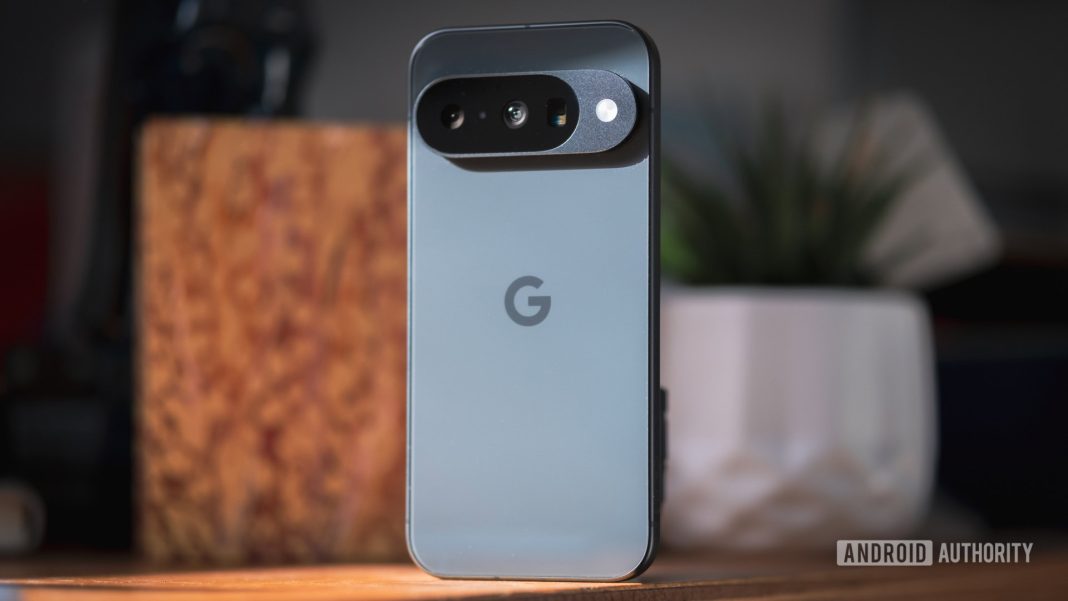
The tech world thrives on hype, speculation, and the relentless pursuit of the next big thing. Yet, even by these standards, a recent pronouncement by Android Authority has raised eyebrows and sparked a fascinating debate. They’ve already crowned the Google Pixel 11 the “best phone of 2026,” a device whose existence is still theoretical, let alone its final specifications or market performance. This isn’t just a bold prediction; it’s a window into the evolving landscape of tech journalism, consumer anticipation, and the sheer audacity of future-gazing.
The Art of Prescient Proclamations
Why would a respected tech publication make such a definitive, far-reaching claim? Part of it is undoubtedly about generating buzz. In a crowded digital space, a headline declaring a phone two years away as the future’s undisputed champion is guaranteed to grab attention, stimulate clicks, and fuel discussion. It taps into the inherent human desire to peer into the future, especially when it comes to the devices that increasingly define our daily lives.
Furthermore, it speaks to the growing confidence and perceived trajectory of Google’s Pixel line. After years of being seen as niche or experimental, recent Pixel generations have found their stride, particularly with their computational photography, clean Android experience, and growing suite of AI-powered features. This premature coronation might be an extrapolation of Google’s current momentum, projecting an uninterrupted ascent to market dominance. It’s an optimistic nod to the brand’s potential, framing Pixel as an inevitable winner in the smartphone race.
A Reality Check: The Unpredictable Future of Tech
While the excitement is understandable, declaring a phone the “best” two years before its potential release demands a healthy dose of skepticism. The tech industry moves at a blistering pace. What seems cutting-edge today can be obsolete tomorrow. Consider the advancements we’ve witnessed just in the last two years: significant leaps in AI integration, faster chip architectures, increasingly sophisticated camera systems, and the maturation of foldable designs.
Projecting the competitive landscape of 2026 is equally challenging. Apple, Samsung, and a host of aggressive Chinese manufacturers aren’t standing still. Each is investing billions in R&D, pushing boundaries in areas like battery life, display technology, satellite connectivity, and entirely new form factors. To assume the Pixel 11 will effortlessly outmaneuver every innovation from these giants, sight unseen, is a monumental leap of faith. As Sarah Chen, a seasoned industry observer, critically notes, “It’s a bold play, certainly, but to declare a device the ‘best’ when its very blueprint is likely still in flux, two years out? That’s less analysis and more pure brand cheerleading, even if it does make for compelling content.” Her sentiment captures the core tension between speculative enthusiasm and grounded realism.
Beyond Hype: What “Best” Truly Means
Ultimately, the notion of the “best phone” is deeply subjective. For some, it’s the camera. For others, it’s battery life, gaming performance, software ecosystem, or even repairability. Without knowing the Pixel 11’s actual features, its price point, or how it will stack up against its contemporaries on all these fronts, any declaration of “best” is purely speculative. It serves more as a thought experiment or a marketing gambit than an informed judgment.
This early declaration highlights a trend in tech media: the increasing pressure to be first, boldest, and most provocative. While it can be fun to imagine the future, it also risks setting unrealistic expectations for consumers and oversimplifying the complex process of product development and market competition. The Pixel 11 will undoubtedly be an interesting device when it arrives, but its true standing can only be determined by its real-world performance against real-world rivals, not by a headline penned years in advance.

