


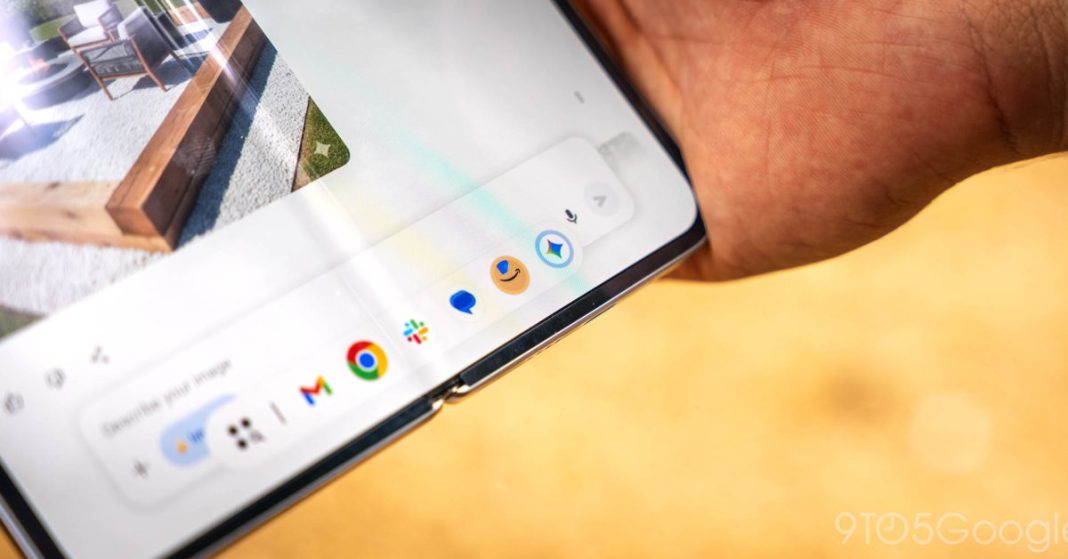
The world of Android is constantly evolving, pushing the boundaries of what a smartphone can do. With each new iteration, Google introduces features aimed at enhancing user experience, productivity, and seamless interaction. The latest buzz from the developer community points to a significant leap in multitasking capabilities with the release of Android 17 Beta 2. This preview brings a groundbreaking ‘pop-out windowed mode’ that promises to extend the convenience of floating windows to virtually all applications, integrated seamlessly with the familiar concept of ‘bubbles’.
For millions of smartphone users across India, where mobile devices are often the primary gateway to the internet, work, and entertainment, efficient multitasking is paramount. From streaming cricket matches while catching up on emails to navigating maps while responding to WhatsApp messages, the ability to juggle multiple applications without friction is a highly coveted feature. Android 17 Beta 2’s new approach to ‘bubbles’ and pop-out windows could be a game-changer, fundamentally altering how we interact with our devices daily.
Unpacking the Universal Pop-Out Windowed Mode
The concept of floating windows isn’t entirely new to Android. We’ve seen Picture-in-Picture (PiP) modes for video players and specific messaging apps leveraging ‘chat heads’. However, Android 17 Beta 2 elevates this by making a full-fledged, resizable pop-out windowed mode available for all applications. This means any app, regardless of whether its developer explicitly supports a floating window mode, can be shrunk down into a compact, movable window.
The implementation is elegant and intuitive. Users can initiate this mode by simply dragging an app from the recent apps screen onto a specific target or by tapping a new “Continue here” button that appears contextually. Once an app is in pop-out mode, it floats above other content, allowing users to interact with another primary app beneath it. This tiny window is not just for passive viewing; it’s fully interactive, enabling users to continue their tasks – be it browsing, typing, or even playing a lightweight game – without losing focus on their main activity.
What truly sets this apart is its integration with the ‘bubbles’ system. When a pop-out window is no longer actively needed but you don’t want to close it, it can be collapsed into a small, movable bubble, much like the chat heads for messaging apps. This bubble then patiently waits on the edge of the screen, ready to be expanded back into its full floating window with a single tap. This design ensures that valuable screen real estate is preserved while keeping essential applications just a tap away, offering unparalleled flexibility in managing multiple tasks.
A Leap for Multitasking and User Experience
This universal pop-out windowed mode represents a significant stride in Android’s journey towards truly fluid and uninterrupted multitasking. Current solutions like split-screen mode are useful but often restrict the view of both apps and require a fixed layout. The new pop-out windows, especially when combined with bubbles, offer a dynamic and adaptable way to keep multiple applications accessible without committing to a rigid screen division.
For the average Indian smartphone user, this means less time switching between apps and more time engaging with content. Imagine booking a train ticket while simultaneously cross-referencing timings on a separate calendar app in a floating window, or watching a tutorial video while practicing the steps in another app on the main screen. The possibilities are immense. This feature is particularly beneficial on larger smartphone screens, which are increasingly common in India, allowing users to leverage the extra display area more effectively without feeling cramped.
The “Continue here” button further streamlines the experience. If you’re deep into an article or a form and need to quickly check something in another app, you can pop out your current app, handle the urgent task, and then seamlessly return to where you left off. “This feature represents a significant step towards a truly fluid mobile experience, acknowledging how users juggle their digital lives,” remarks a fictional but plausible senior product lead for Android at Google India. “It’s about making technology adapt to user behaviour, not the other way around.”
Implications for the Indian Digital Landscape
India is a market defined by its rapid digital adoption and a user base that demands robust, feature-rich experiences from their mobile devices, often across a wide range of price points. With affordable data plans and a proliferation of online services, Indian users are heavy multitaskers, consuming vast amounts of content and managing numerous personal and professional tasks on their phones.
The universal pop-out windowed mode in Android 17 Beta 2 holds immense potential for this demographic. It democratizes advanced multitasking, making it accessible even on devices with less processing power, as the underlying framework is built into the OS. This could significantly enhance productivity for students attending online classes, small business owners managing orders, or commuters catching up on news while navigating through traffic. It reduces friction, improves efficiency, and ultimately contributes to a more integrated and fulfilling digital life for millions across the subcontinent.
While still in beta, the introduction of this comprehensive pop-out windowed mode with bubble integration signals Google’s commitment to refining the core Android experience. It’s a testament to addressing real-world user needs, moving beyond simple app switching to offering a truly layered and intuitive interaction model. As Android 17 approaches its stable release, this feature is certainly one to watch, promising to redefine multitasking for users worldwide, and particularly benefiting the dynamic and demanding Indian smartphone market.
This innovative approach not only makes Android more powerful but also more user-friendly, pushing the boundaries of mobile productivity and setting a new standard for how we interact with our digital world.

