


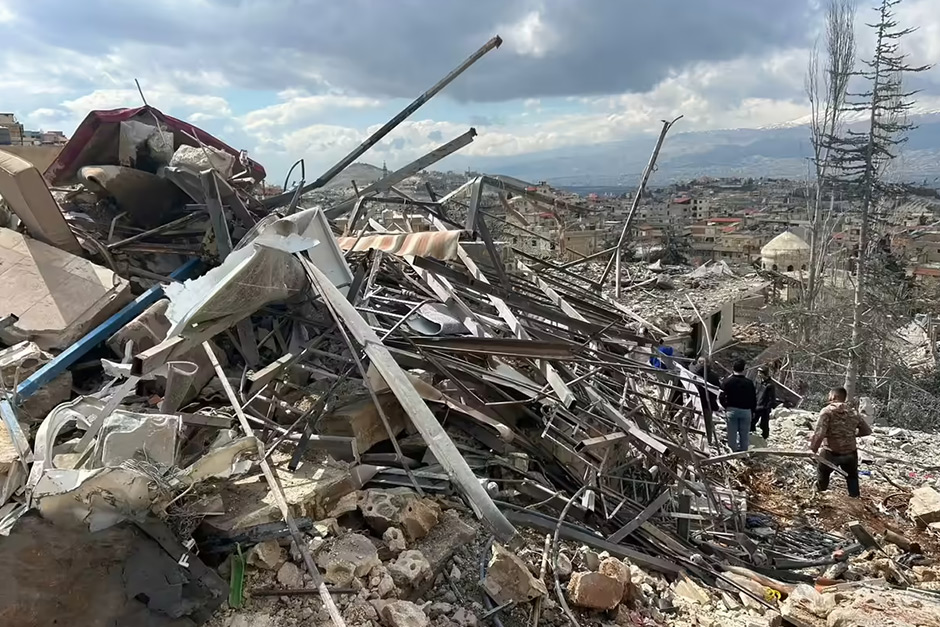
The recent incident involving an Iranian drone causing damage to a desalination plant in Bahrain is more than just a physical strike; it’s a stark reminder of escalating regional tensions and the vulnerability of critical civilian infrastructure in an increasingly complex geopolitical landscape. This event sends ripples across the Gulf, forcing a re-evaluation of security strategies and highlighting the delicate balance of power in an already volatile region.
The Immediate Impact and Exposed Vulnerabilities
For Bahrain, an island nation heavily reliant on desalination for its freshwater supply, the damage to such a vital facility represents a direct threat to its national security and citizen well-being. Desalination plants are the lifeblood of many arid Gulf states, converting seawater into potable water, and any disruption can have immediate and severe consequences for daily life, public health, and economic stability.
This incident underscores how modern conflicts are increasingly targeting non-military assets with devastating potential. The psychological impact on a population knowing their essential services are within reach of hostile actors cannot be overstated. It also serves as a sobering lesson for other nations in the region and globally, whose critical infrastructure, from energy grids to water treatment facilities, might be equally exposed to similar asymmetric threats.
Regional Geopolitics and the Drone’s New Role
This event does not occur in a vacuum. It plays out against a backdrop of long-standing rivalries and proxy conflicts in the Middle East, particularly between Iran and its Gulf Arab neighbors. Drones have emerged as a significant, cost-effective, and deniable tool in this regional power struggle, offering a means to project influence and inflict damage without necessarily triggering overt conventional warfare.
The alleged Iranian connection, whether direct or through proxies, frames this incident within a broader narrative of regional destabilization. It raises questions about the intent behind such an action – was it a warning, an act of retaliation, or a test of capabilities? As one regional security analyst, Dr. Fatima Al-Amri, put it, “Targeting water infrastructure isn’t just about physical destruction; it’s about sowing fear and demonstrating an ability to cripple daily life. It’s a clear message in a very dangerous game of geopolitical chess.” Such actions invariably heighten tensions, making de-escalation an even more daunting challenge.
Navigating the Path Forward
The drone incident in Bahrain serves as a potent illustration of the evolving nature of threats in the 21st century. It’s a complex weave of technological advancement, geopolitical rivalry, and the ever-present vulnerability of civilian infrastructure. For Bahrain and its allies, the immediate task is to bolster defenses for such critical facilities and reassess intelligence capabilities.
More broadly, the incident is a call for renewed diplomatic efforts and a concerted push towards regional de-escalation. While the immediate focus may be on hardening defenses, true long-term security will ultimately depend on addressing the underlying causes of tension and finding pathways for dialogue, however challenging that may seem. The shadow cast by this drone attack extends far beyond the desalination plant itself, reminding everyone that stability in the Gulf remains fragile and precious.

