


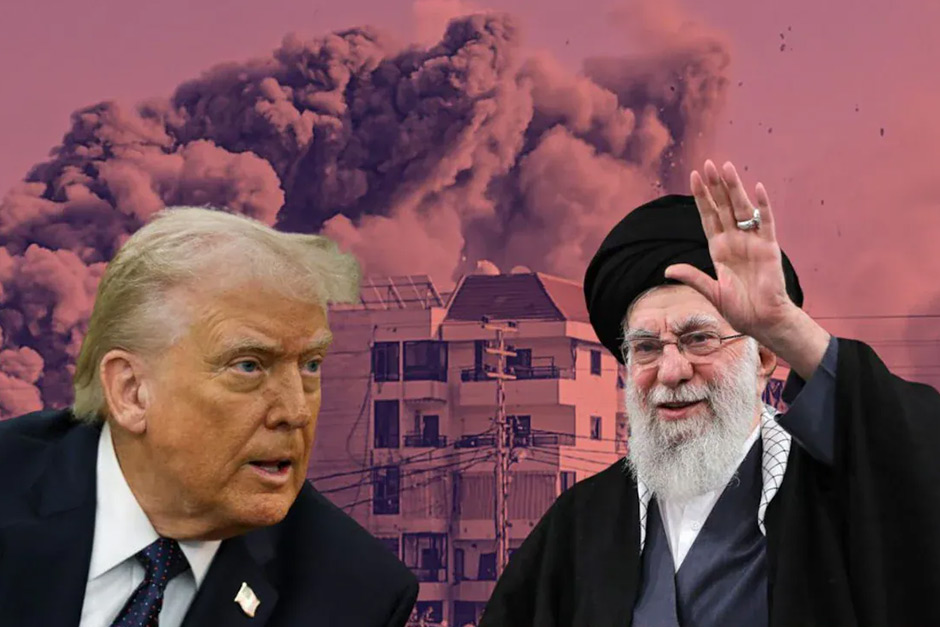
In a region perpetually teetering on the edge of geopolitical shifts, a recent intelligence assessment has cut through much of the prevailing hawkish rhetoric, offering a surprisingly sober conclusion: a major military conflict is unlikely to succeed in toppling Iran’s current regime. This perspective isn’t just a deviation from common discourse; it represents a significant recalibration of expectations about external intervention and the complex dynamics at play within the Islamic Republic.
The Resilience Factor: Why War Falls Short
The core of this intelligence report rests on a deep understanding of the Iranian system’s inherent resilience. Decades of external pressure, sanctions, and even limited military engagements have seemingly forged a regime adept at absorbing shocks and consolidating power internally. Unlike some regimes that might crumble under the weight of a sustained military assault, Iran’s intricate web of state institutions, Revolutionary Guard Corps, and a deeply embedded ideological framework suggests a structure far more robust than often perceived.
Analysts point to several factors. Firstly, a large-scale external conflict could paradoxically strengthen the regime by triggering a powerful wave of nationalism, allowing authorities to rally public support against a perceived foreign aggressor. Secondly, the regime has meticulously built up its internal security apparatus, capable of suppressing dissent and maintaining control even amidst chaos. Lastly, the lessons from past interventions in the Middle East suggest that regime change imposed from the outside often leads to prolonged instability, humanitarian crises, and the rise of unforeseen, often more extreme, forces. As one seasoned diplomat, speaking on condition of anonymity, put it: “Overthrowing a deeply entrenched system from the outside rarely goes as planned; it often just reinforces the very power structures it seeks to dismantle and creates a vacuum that’s incredibly hard to fill constructively.”
Shifting Focus: Internal Dynamics and Persistent Pressures
If a “big war” is deemed an ineffective tool for regime change, where does this leave international policy and the aspirations of those seeking a different future for Iran? The intel report subtly, yet clearly, redirects attention from kinetic military action to the enduring, albeit slower, pressures originating from within and through non-military means. The report implicitly suggests that the most potent forces for change might not come from external bombs, but from the cumulative weight of economic hardship, social unrest, and persistent diplomatic isolation.
Iran faces significant internal challenges, including a struggling economy, high unemployment, and widespread public dissatisfaction over corruption and human rights. These are the simmering issues that truly test the regime’s legitimacy and control. While external military action risks uniting a disparate population against a common enemy, targeted sanctions, support for civil society, and sustained diplomatic pressure could continue to erode the regime’s foundations from within. This perspective does not advocate for inaction, but rather for a more nuanced, patient, and strategically focused engagement that recognizes the complexity of the Iranian state and society. The emphasis shifts towards enabling internal dynamics to run their course, albeit slowly, rather than attempting to force a swift, and likely messy, external conclusion.
Ultimately, the intelligence community’s assessment serves as a stark reminder: simplistic solutions to complex geopolitical challenges rarely yield the desired outcomes. The notion that a large-scale military intervention could easily dismantle Iran’s regime appears to be giving way to a more pragmatic understanding of its deep-rooted resilience. This shift in perspective could profoundly influence future policy approaches, steering them away from immediate military confrontation and towards a more multifaceted strategy centered on sustained pressure, diplomatic engagement, and the recognition of internal forces as the true catalysts for any lasting transformation.

