


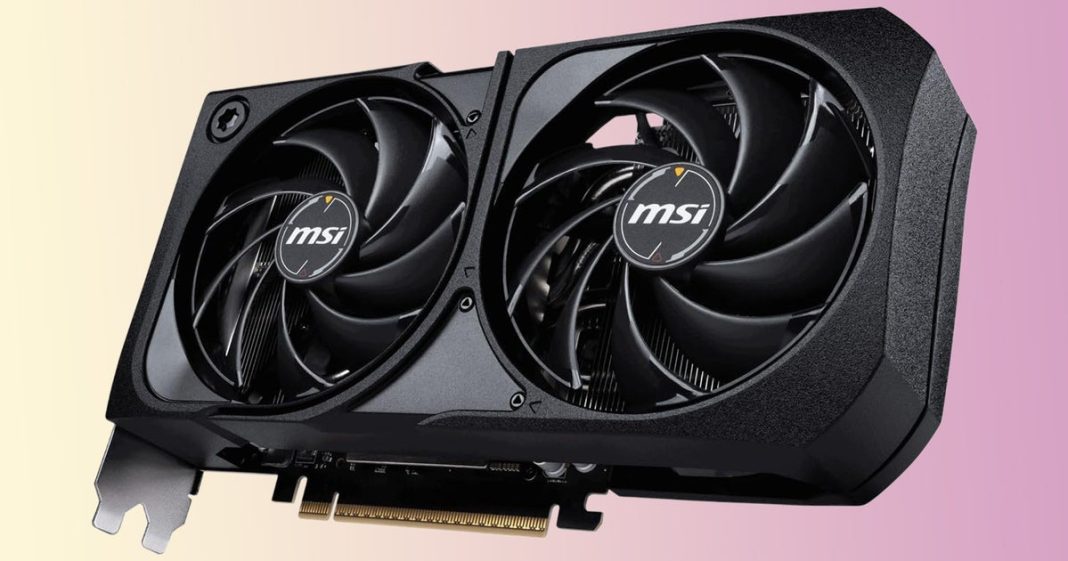
The global tech landscape, particularly the highly competitive graphics processing unit (GPU) market, is abuzz with reports that AMD and Nvidia are poised to implement significant price increases on their GPUs starting in 2026. This potential shift could redefine accessibility for consumers worldwide, with a notable impact on the burgeoning Indian PC gaming and content creation communities. While official confirmations are pending, these reports from industry insiders signal a challenging future for enthusiasts and professionals alike.
The Anticipated Price Surge: What’s Driving It?
Several underlying factors are believed to be contributing to this anticipated escalation in GPU prices. At the forefront is the increasing cost of manufacturing advanced silicon. Both AMD and Nvidia rely heavily on leading foundries like TSMC for their cutting-edge process nodes. Moving to smaller, more efficient nodes (such as 3nm or 2nm) involves substantial research and development investments and higher production costs per wafer. These increased manufacturing expenditures are typically passed down to the consumer.
Furthermore, the insatiable demand for GPUs in the artificial intelligence (AI) sector plays a crucial role. AI accelerators, often based on high-end GPU architectures, are currently commanding premium prices and consuming a significant portion of foundry capacity. This diversion of resources towards the lucrative AI market can strain the supply of consumer-grade GPUs, leading to scarcity and, consequently, higher prices. As a result, the dynamics of supply and demand are heavily skewed, potentially empowering manufacturers to adjust pricing strategies upwards. The global economic climate, including inflation and fluctuating raw material costs, also adds another layer of complexity to the pricing equation, influencing component costs and logistics for hardware companies operating on a global scale.
Impact on Indian Consumers and the PC Gaming Market
For the Indian market, which is price-sensitive yet rapidly growing in the PC gaming and professional creator segments, a significant GPU price hike could present substantial hurdles. PC gaming, in particular, has seen a surge in popularity, fueled by increased disposable incomes and growing internet penetration. Many aspiring gamers and content creators often budget carefully for their builds, and a substantial increase in GPU costs could put high-performance systems out of reach for a broader demographic.
The ripple effect could extend to local PC building businesses and retailers who cater to this segment. Affordability is key in India, and if high-end GPUs become prohibitively expensive, consumers might opt for older generations, consider console gaming as a more cost-effective alternative, or even turn to the pre-owned market, which carries its own risks. The enthusiasm surrounding new product launches could also diminish if the entry barrier becomes too high.
“The prospect of significantly higher GPU prices in 2026 is certainly a concern for the Indian PC market,” remarked Rohit Sharma, a Mumbai-based tech analyst. “While advancements are always welcome, accessibility is paramount for a developing market like ours. Such a hike could slow down the adoption of newer technologies and force many to compromise on performance or delay upgrades, potentially impacting the growth trajectory of PC gaming and creative industries here.”
The potential price increases signal a crossroads for both manufacturers and consumers. While companies aim to recoup R&D costs and maximize profits from technological advancements, the balance between innovation and affordability remains crucial, especially for markets like India where price elasticity is a significant factor in purchasing decisions.
As 2026 approaches, the industry will be closely watching for official announcements from AMD and Nvidia regarding their pricing strategies. For Indian consumers, this impending change underscores the importance of thoughtful planning and potentially exploring all available options to balance performance aspirations with financial realities in the ever-evolving world of PC hardware.

