


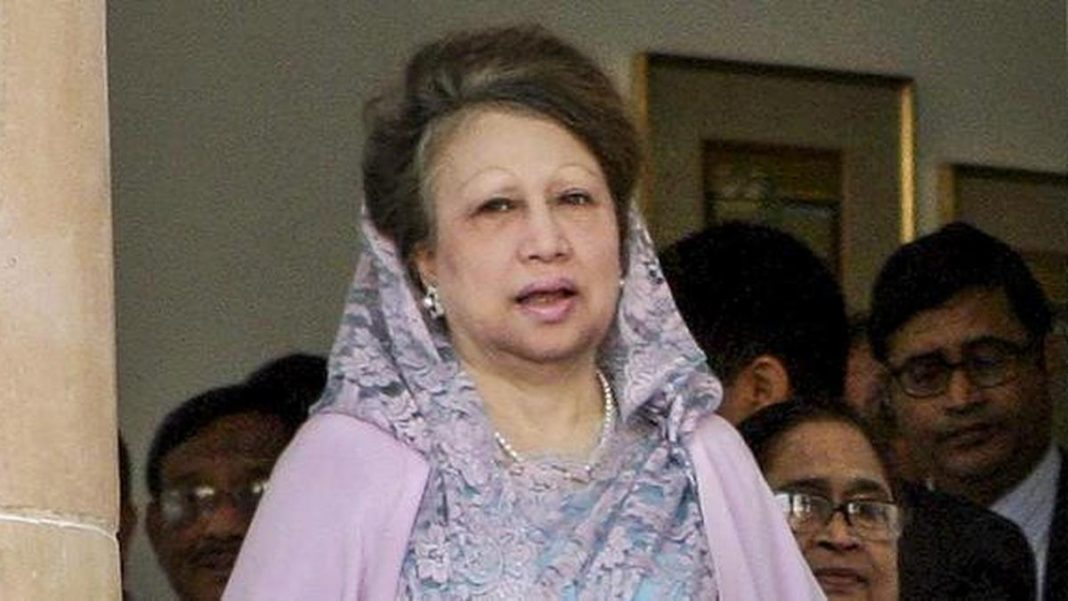
The political landscape of Bangladesh, perpetually dynamic, is once again focused on the health of one of its most prominent figures: former Prime Minister and Bangladesh Nationalist Party (BNP) chief, Khaleda Zia. Reports indicate that an air ambulance, crucial for her urgent medical transfer, is scheduled to land in Dhaka on Tuesday. This development underscores the escalating health crisis faced by the 79-year-old leader and the intricate geopolitical and humanitarian considerations that surround her situation, drawing keen interest from regional neighbours like India.
Khaleda Zia, a towering personality in Bangladeshi politics for decades and a two-time Prime Minister, has been battling a multitude of severe health issues. Her deteriorating condition has been a subject of national concern, leading to repeated pleas from her party for advanced medical treatment abroad. The arrival of the air ambulance marks a critical juncture, signalling the potential for an imminent international transfer that could have profound implications for Bangladesh’s political future.
The Critical Health Condition and Political Landscape
Khaleda Zia’s health has been a source of grave concern for several years, particularly since her incarceration in 2018 on corruption charges. While she was conditionally released in 2020 following the onset of the COVID-19 pandemic, her underlying ailments have worsened significantly. She has been admitted to Dhaka’s Evercare Hospital multiple times, grappling with a complex array of illnesses including liver cirrhosis, internal bleeding, cardiac complications, diabetes, and kidney issues. Medical boards attending to her have reportedly indicated that she requires highly specialised care that may not be fully available within Bangladesh.
The Bangladesh Nationalist Party has consistently appealed to the government, led by Prime Minister Sheikh Hasina, to allow Zia to travel abroad for advanced medical treatment. They argue that her constitutional rights to life and health should take precedence over any legal restrictions. However, the government has maintained that Zia’s conditional release prohibits her from leaving the country, and any travel abroad would require a fresh legal review and potentially clemency, a stance that has ignited fierce political debate. This ongoing political standoff adds another layer of complexity to an already critical humanitarian situation. Given her long-standing rivalry with Sheikh Hasina and her pivotal role in the BNP, Zia’s health and potential absence from the country carry significant weight for the future trajectory of Bangladeshi politics and the stability of its democratic institutions.
Logistical Challenges and Regional Implications
The arrangement of an international air ambulance transfer is an immense logistical undertaking, involving not just medical preparedness but also extensive diplomatic and governmental approvals. Such transfers require a highly specialised medical team, advanced life-support equipment, and meticulous coordination with air traffic control and medical facilities in the destination country. While the specific destination for Khaleda Zia’s treatment has not been officially confirmed, leading speculations often point towards advanced medical centres in countries like Germany, the United Kingdom, or the United States, known for their cutting-edge liver and cardiac care facilities.
For India, a close neighbour with deep historical and strategic ties to Bangladesh, developments concerning Khaleda Zia are observed with considerable interest. Bangladesh’s internal stability and political dynamics have direct implications for India’s northeastern security and regional influence. While India typically maintains a policy of non-interference in the domestic affairs of sovereign nations, the humanitarian aspect of a prominent regional leader facing a severe medical crisis resonates deeply. India itself is a regional hub for advanced medical tourism, with state-of-the-art facilities that attract patients from across South Asia. The pursuit of treatment abroad by a figure like Khaleda Zia subtly highlights regional perceptions of medical infrastructure and the globalised nature of critical care.
“This isn’t just a medical emergency; it’s a significant political moment for Bangladesh. The government’s decision regarding her treatment abroad will resonate across the political spectrum and be watched closely by regional powers, including India, as it could influence future political stability,” remarked Dr. Alok Sharma, a Delhi-based political analyst specializing in South Asian affairs, highlighting the interconnectedness of health, politics, and regional diplomacy.
A Nation Watches: Hopes and Hurdles
As Tuesday approaches, the focus remains squarely on the arrival of the air ambulance and the subsequent decisions that will determine Khaleda Zia’s immediate future. Her party activists and supporters continue to hold prayers and demonstrations, hoping for a swift and safe transfer that will enable her to receive the best possible care. For the Bangladeshi government, the situation presents a delicate balance between legal obligations, political expediency, and humanitarian concerns. The outcome of this critical medical saga could potentially redefine alliances, shift political narratives, and certainly leave a lasting mark on the nation’s collective consciousness.
The arrival of the air ambulance is more than just a logistical event; it’s a poignant symbol of a nation grappling with the health of a pivotal leader, against a backdrop of complex political history and regional scrutiny. The next few days will be crucial, not only for Khaleda Zia’s health but for the political climate of Bangladesh and its relationship with its neighbours.

