


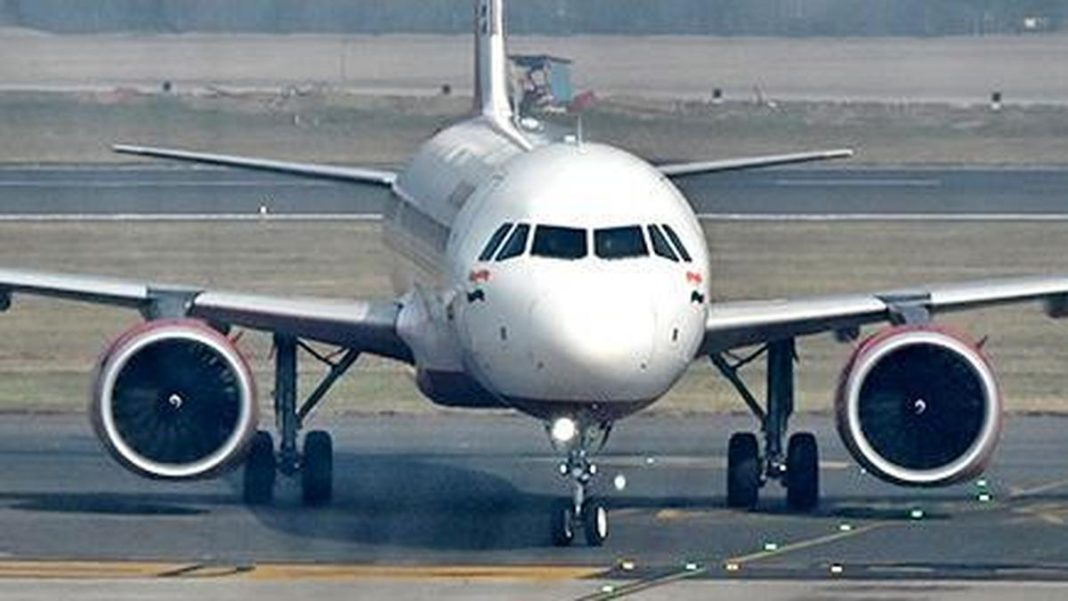
India’s vibrant aviation sector, a critical artery for commerce and tourism, has recently navigated a period of turbulence. Following a series of operational disruptions, particularly at market leader IndiGo, which saw significant flight cancellations and delays attributed to engine issues and pilot availability, the Ministry of Civil Aviation has signaled a strategic shift. In a move aimed at bolstering capacity and enhancing competition, the Ministry has officially granted its initial approvals to two new Indian airlines, poised to take flight in the coming months.
This development comes as a welcome relief for an industry that has witnessed unprecedented growth but also faced recurring challenges in maintaining operational fluidity. The entry of new players is anticipated to not only inject fresh capacity into the system but also potentially lead to a more competitive landscape, ultimately benefiting the Indian air traveller.
The Expanding Skies: A Strategic Response to Demand and Disruptions
The Ministry of Civil Aviation’s decision to greenlight two new airlines – reportedly named Flywell Airlines and SkyConnect India (initial proposed names) – is a clear indication of its commitment to strengthening the country’s aviation infrastructure. India’s domestic air traffic has consistently ranked among the fastest-growing globally, driven by an expanding middle class, increased business travel, and improved connectivity to tier-2 and tier-3 cities.
However, this rapid expansion has not been without its stresses. Recent months have highlighted the vulnerabilities of an intensely competitive market where a few dominant players carry the bulk of the passenger load. IndiGo, which commands over 60% of the domestic market, faced a challenging period stemming from issues with Pratt & Whitney engines on its A320neo fleet, requiring mandatory inspections and grounding of several aircraft. This, coupled with reports of pilot fatigue and subsequent roster disruptions, led to a cascade of flight cancellations and delays, impacting thousands of passengers and drawing scrutiny from the Directorate General of Civil Aviation (DGCA).
The introduction of Flywell Airlines and SkyConnect India is expected to alleviate some of this pressure by providing additional seats and routes. Both airlines are currently in various stages of securing their Air Operator Certificates (AOCs) from the DGCA, a rigorous process that involves demonstrating compliance with safety standards, operational preparedness, and financial viability. While specific launch timelines and initial routes are yet to be formally announced, industry speculation suggests a focus on underserved regional routes alongside high-density trunk routes, aiming to capture a share of both leisure and business traffic.
Building Resilience: Lessons from Operational Headwinds
The recent operational challenges across the industry, particularly the highly visible issues at IndiGo, have underscored the critical need for not just capacity but also operational resilience. Airlines globally operate on tight margins, and any disruption – be it technical snags, weather, or crew shortages – can have a significant ripple effect. For passengers, these disruptions translate into missed connections, delayed plans, and a diminished travel experience.
The Ministry’s push for new entrants can be viewed as a proactive measure to diversify the market and reduce the systemic risk associated with a highly concentrated industry. A more balanced market with multiple strong players can better absorb individual airline-specific shocks, ensuring greater overall stability and reliability for the travelling public.
Speaking on the broader implications of the Ministry’s move, aviation analyst Anil Sharma commented, “This approval is a testament to the long-term vision for Indian aviation. The recent operational snags across the industry, particularly at a major carrier, truly underscore the critical need for diversified capacity and robust regulatory oversight. It’s not just about adding seats; it’s about building systemic resilience and ensuring that passenger confidence remains unshaken.”
New airlines often bring innovative service models, fresh aircraft, and a renewed focus on customer satisfaction as they strive to carve out their niche. This competitive pressure could push existing carriers to further refine their operations, invest in better technology, and enhance their customer service, leading to an overall uplift in industry standards.
A Promising Horizon for Indian Air Travellers
The nod to two new airlines marks a significant milestone for India’s aviation sector, promising a more robust and competitive environment. While the path to profitability in the aviation industry is notoriously challenging, the inherent demand in India provides a fertile ground for growth. For the millions of Indian air travellers, this development offers the prospect of more choices, potentially more competitive fares, and an improved experience, as new players vie for their patronage and existing ones strive to maintain their leadership.
The aviation ministry’s strategic decision, coming on the heels of recent operational concerns, reflects a balanced approach: fostering growth while simultaneously working to strengthen the foundational stability of one of the world’s most dynamic aviation markets. The skies above India are set to become not just busier, but hopefully, also more reliable.
—

