


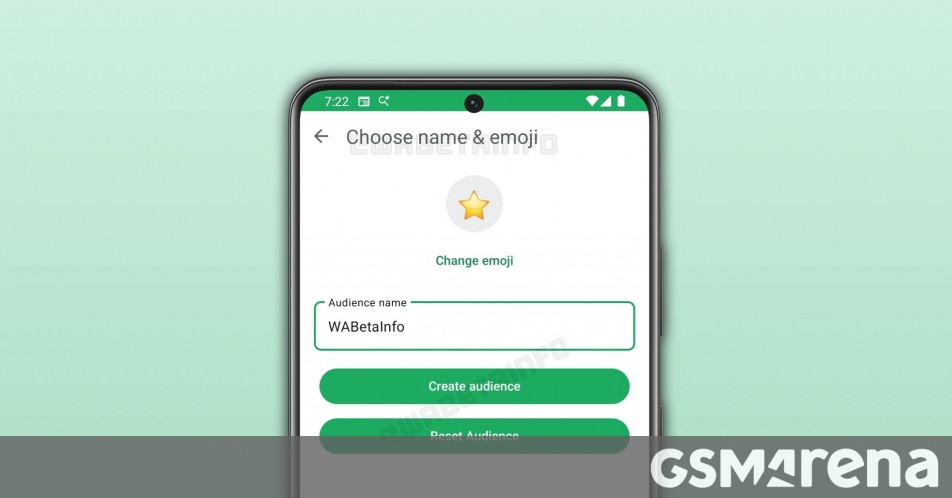
In a nation where WhatsApp has seamlessly integrated itself into the fabric of daily communication, from family chats to business updates, the platform’s evolution consistently garners significant attention. With its ubiquitous presence across India, every new feature, particularly one concerning privacy, holds immense relevance. WhatsApp, ever keen to refine user experience, is reportedly testing a new feature that promises to revolutionize how users share their status updates: Custom Lists. This development comes after previous reports of the company experimenting with a “Close Friends” feature, signalling a clear move towards more granular control over personal content sharing.
The Evolving Landscape of Status Privacy
Currently, WhatsApp offers basic privacy settings for status updates: “My Contacts,” “My Contacts Except…”, and “Only Share With…”. While functional, these options often fall short for users who navigate diverse social circles within their contact list. A status update suitable for a close-knit group of college friends might not be appropriate for distant relatives or professional acquaintances. This is where the concept of “Custom Lists” steps in, offering a much-needed layer of sophistication to privacy controls.
Before “Custom Lists,” there were whispers of WhatsApp testing a “Close Friends” feature, akin to Instagram’s popular green circle. This would have allowed users to curate a specific group of individuals to share exclusive content with. However, “Custom Lists” appears to be a more robust and flexible iteration. Instead of a single “Close Friends” group, users will seemingly be empowered to create multiple, tailored lists – perhaps “Family,” “Work Colleagues,” “College Buddies,” or “Gym Crew.” This approach significantly enhances user autonomy, allowing individuals to define their own audiences for different types of content without the rigidity of a pre-defined category.
Why Custom Lists Matter for Indian Users
India, with its vast and diverse social tapestry, provides a compelling case for the necessity of such a feature. WhatsApp is not just a messaging app here; it’s a primary communication channel for multi-generational families, intricate social networks, and professional communities. Users often have contacts ranging from their closest confidantes to their child’s school teacher, their landlord, and their local grocery vendor, all within the same phonebook. Sharing a personal anecdote or a casual update with one group might be perfectly acceptable, even desirable, while being completely out of place for another.
The cultural nuances of sharing and privacy in India further amplify the importance of “Custom Lists.” What constitutes appropriate sharing can vary greatly depending on the relationship dynamic. This feature directly addresses the latent demand for a more nuanced approach to digital self-expression. “The ability to create specific audience segments for status updates is a game-changer, especially in a market like India where social circles are so diverse and overlapping,” says Priya Sharma, a Mumbai-based tech analyst. “It respects the user’s need for context-specific sharing, reducing the social anxiety often associated with broadcasting updates to an undifferentiated contact list.”
How This Feature Could Transform User Experience
The mechanics of “Custom Lists” are expected to be intuitive. Users will likely navigate to their status privacy settings, where they can create new lists and add contacts to them. When posting a new status, they would then have the option to select one or more of these custom lists as their intended audience. This ease of use is crucial for widespread adoption, particularly given WhatsApp’s user base, which spans across technological proficiencies.
The introduction of “Custom Lists” could lead to a significant uplift in status update engagement. Users might feel more comfortable sharing a wider variety of content, knowing they can precisely control who sees it. This enhanced sense of control could foster a more authentic and vibrant sharing environment, moving beyond generic updates to more personalized and relevant content for specific groups. For WhatsApp, this means not only a more satisfied user base but potentially a more active and engaged platform, strengthening its position as the go-to communication tool in India.
As WhatsApp continues its testing phase, the anticipation for “Custom Lists” is palpable. This feature represents a thoughtful progression in privacy controls, acknowledging the complex dynamics of modern digital communication. For Indian users, it promises a much-needed tool to manage their digital persona with greater precision, ensuring their status updates resonate with the right audience, every single time.

