


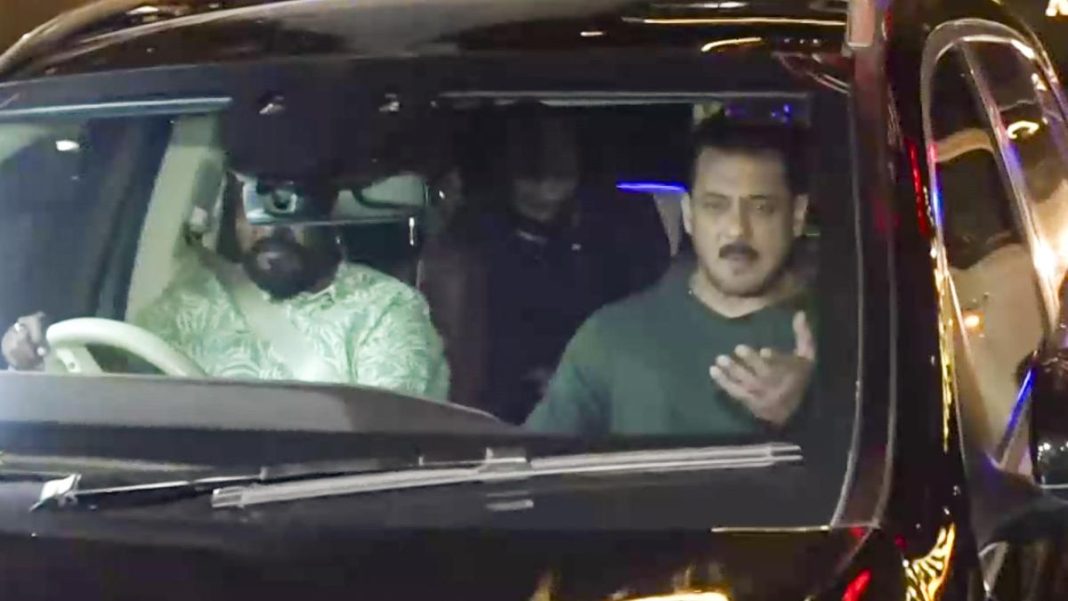
In a significant development that underscores the evolving landscape of celebrity rights in the digital age, Bollywood superstar Salman Khan has approached the Delhi High Court seeking protection of his personality rights. The plea aims to prevent unauthorized use of his name, image, voice, and unique persona for commercial or other purposes, a growing concern for public figures amidst rampant digital content creation and dissemination. The High Court is slated to hear the matter on December 11, marking a crucial date for discussions surrounding intellectual property and individual identity in India.
Khan’s legal move highlights the challenges faced by celebrities in an era where their public identities are frequently exploited without consent. From merchandise and brand endorsements to deepfakes and malicious content, the unauthorized use of a star’s persona can lead to significant financial and reputational damage. This proactive step by one of India’s most recognisable faces brings the complex issue of personality rights firmly into the legal spotlight.
Safeguarding Identity: The Core of Khan’s Plea
The essence of Salman Khan’s petition revolves around the principle of personality rights, which grants individuals, especially public figures, the exclusive right to control the commercial use of their identity. This encompasses a broad spectrum of attributes, including their name, likeness, voice, signature, and even distinctive gestures or mannerisms that are intrinsically linked to their public image. The petition likely seeks an injunction against various entities, including unknown individuals and platforms, from infringing upon these rights.
In the age of social media and viral content, celebrities often find their images and videos being manipulated or used in ways they did not authorize. These can range from endorsements for products they don’t represent, to satirical content that crosses legal boundaries, or even fabricated news stories designed to mislead. Khan’s legal team is expected to argue that such unauthorized usage not only constitutes a violation of his fundamental right to privacy but also potentially leads to dilution of his brand value and endorsement opportunities.
The move also sends a strong message to content creators, advertisers, and meme makers about the legal boundaries concerning the use of public figures’ identities. While freedom of speech and expression are foundational, they often come with limitations when they infringe upon an individual’s established rights and reputation.
The Evolving Legal Landscape of Personality Rights in India
While the concept of personality rights is well-established in many Western jurisdictions, its jurisprudence in India is still developing. Indian courts have often derived these rights from a combination of existing laws, including Article 21 of the Constitution (right to life and personal liberty), trademark law, copyright law, and the law of passing off. Landmark judgments in the past have affirmed that public figures have a right to control the commercial exploitation of their persona.
However, the rapid pace of digital advancement and the anonymity offered by online platforms present unique challenges in enforcement. Identifying the perpetrators, especially when they operate across jurisdictions, and effectively blocking content can be a complex and resource-intensive process. Khan’s petition, by directly addressing the Delhi High Court, seeks to leverage the highest judicial authority in the capital to establish clear precedents and robust protective measures.
“In an increasingly digitised world, the lines between public interest and personal rights are constantly being tested. This move by Mr. Khan underscores the growing need for robust legal frameworks to protect an individual’s identity from unauthorized exploitation, especially when it comes to celebrities whose persona holds significant commercial value,” stated a Delhi-based legal expert familiar with media law.
The outcome of this plea could significantly influence how personality rights are viewed and enforced for other celebrities, artists, and public personalities across India. It could pave the way for more stringent guidelines regarding digital content creation and responsible media practices.
Implications for Public Figures in the Digital Age
Salman Khan’s proactive stance is indicative of a broader trend where celebrities are increasingly asserting control over their digital footprint and public image. The legal battle highlights the critical need for a clear distinction between fair use, parody, and blatant commercial exploitation. For public figures, their image is not merely personal; it is often a brand built over decades of hard work and public engagement.
The Delhi High Court’s decision on December 11 will be keenly watched by the entertainment industry, legal fraternity, and digital content creators alike. A favourable ruling for Khan could set a significant precedent, empowering other celebrities to seek similar injunctions and deterring unauthorized usage of their identity. Conversely, the court will also need to balance these rights against principles of freedom of speech and public interest, making the impending hearing a nuanced and pivotal one for Indian jurisprudence.
This case could become a landmark in defining the boundaries of celebrity rights in India’s ever-expanding digital ecosystem, providing much-needed clarity on how personal brands can be legally safeguarded in the twenty-first century.

