


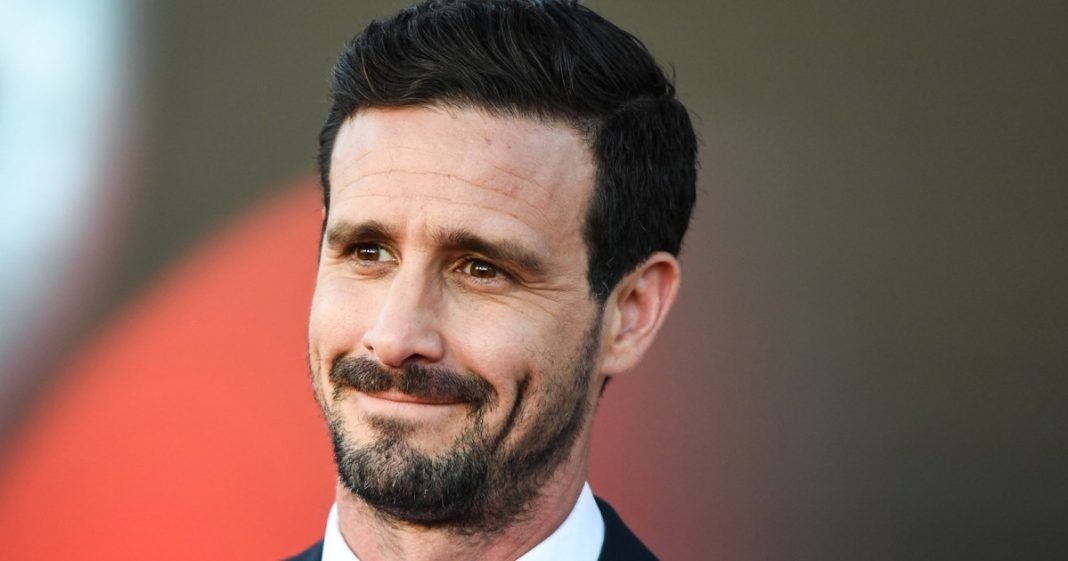
The news of James Ransone’s passing has cast a somber shadow across the entertainment world, leaving fans and colleagues grappling with a profound sense of loss. At just 46 years old, the actor, known for his raw and often unsettling portrayals in critically acclaimed projects like The Wire and It: Chapter Two, reportedly died by apparent suicide. His untimely departure is a stark reminder not only of a talent gone too soon but also of the unseen struggles that can lurk behind even the most vibrant public personas.
A Career Defined by Raw Authenticity
James Ransone possessed a unique magnetism, an ability to inhabit characters with a captivating blend of vulnerability and grit. Many will remember him most vividly as Ziggy Sobotka in HBO’s iconic series, The Wire. His portrayal of the self-destructive, emotionally stunted dockworker was nothing short of masterful, making audiences simultaneously exasperated and heartbroken. Ransone didn’t just play Ziggy; he embodied the character’s tragic flaws, earning a place in television history as a symbol of urban decay and personal despair.
His versatility, however, extended far beyond the gritty streets of Baltimore. Ransone transitioned seamlessly into mainstream horror as the adult Eddie Kaspbrak in It: Chapter Two, delivering a performance that balanced comedic timing with genuine fear and emotional depth. From indie gems to blockbuster hits, he consistently brought a distinct authenticity to every role, whether as a troubled protagonist, a quirky sidekick, or a menacing antagonist. “He had this rare gift for making you feel genuine empathy for even his most difficult characters,” says a long-time admirer of his work, “a raw honesty that few actors possess.” His filmography is a testament to an artist unafraid to explore the darker, more complex facets of the human experience.
The Unseen Struggles Behind the Screen
The circumstances surrounding Ransone’s death by apparent suicide bring into sharp focus the often-invisible battles fought by individuals, particularly within high-pressure industries. While the public sees the accolades, the red carpet appearances, and the memorable performances, the reality behind the glamour can often be a lonely and demanding one. The intense scrutiny, the transient nature of work, and the constant pressure to perform can take a significant toll on mental well-being, a reality that is frequently discussed but often still stigmatized.
James Ransone’s passing is a tragic underscore to the ongoing global conversation about mental health and suicide prevention. It serves as a painful reminder that struggles with depression, anxiety, and other mental health challenges do not discriminate based on talent, success, or public adoration. These battles are often fought in silence, making it crucial for societies to foster environments where seeking help is not just accepted but encouraged, and where support systems are robust and accessible.
A Lasting Impact and a Lingering Question
As we mourn the loss of James Ransone, his legacy as an actor who dared to portray complicated, often unlikable, but always profoundly human characters will undoubtedly endure. His performances left an indelible mark on audiences and critics alike, challenging perceptions and sparking conversations long after the credits rolled. Yet, his death also leaves us with a lingering question about what more can be done to support individuals struggling with mental health, especially those whose public lives might mask their private pain.
In remembering James Ransone, we celebrate the artist who gave us unforgettable characters, and we are compelled to acknowledge the human being who, like many, may have been silently grappling with immense personal challenges. His story serves as a poignant call to foster greater empathy, to listen more intently, and to reinforce the message that no one should ever feel alone in their struggles. It is a time for reflection, remembrance, and a renewed commitment to mental wellness.
*

