


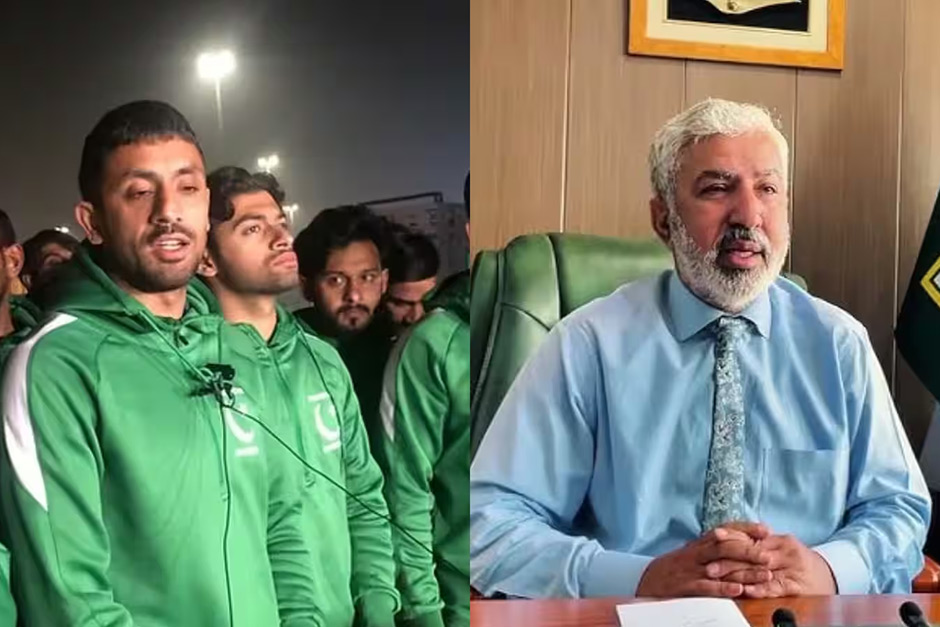
A dramatic chain of events has recently engulfed Pakistan hockey, culminating in the resignation of the Pakistan Hockey Federation (PHF) chief and the swift revocation of bans imposed on the national team’s captain and vice-captain. What began as a protest over substandard accommodation quickly escalated into a full-blown administrative crisis, laying bare the deep-seated issues plaguing the sport in the neighbouring nation. For enthusiasts of hockey across the subcontinent, this episode serves as a stark reminder of the delicate balance between player welfare and sports governance.
The Spark: Accommodation Woes and Player Rebellion
The controversy ignited when Pakistan’s national hockey squad, preparing for the Sultan Azlan Shah Cup and subsequent Olympic qualifiers, found themselves in what players described as deplorable living conditions. Housed at the Pakistan Sports Board (PSB) hostel in Islamabad, players reportedly faced a lack of basic amenities, including functioning air conditioners in shared rooms during the intense summer heat, and inadequate food provisions. The situation reached a breaking point when captain Ammad Shakeel Butt and vice-captain Abu Bakar Mahmood voiced their concerns publicly, reportedly through a video message highlighting the team’s predicament.
This act of defiance was met with immediate and severe retribution from the PHF. An ad-hoc committee of the federation, led by President Brigadier (retd) Khalid Sajjad Khokhar, promptly banned both players for disciplinary reasons, citing “indiscipline.” The ban not only jeopardised their participation in upcoming crucial tournaments but also sent a chilling message to other players about speaking out against administrative failures. The decision sparked widespread condemnation from former players, analysts, and the public, who viewed it as an attempt to silence legitimate grievances rather than address the root cause of the problem.
The Escalation: Federal Intervention and PHF’s Shaky Ground
The situation escalated rapidly beyond the confines of the PHF, drawing the attention of higher authorities within the Pakistani government. The Ministry of Inter-Provincial Coordination (IPC), which oversees sports, and the Pakistan Sports Board (PSB), began to scrutinise the PHF’s handling of the matter. The PSB, in particular, took a strong stance, issuing show-cause notices to PHF officials over the accommodation dispute and the controversial bans. Questions were raised about the PHF’s financial management and its ability to provide basic facilities for national athletes, especially given its historical reliance on government grants and sponsorships.
The pressure on Brigadier (retd) Khalid Sajjad Khokhar mounted significantly. Reports indicated that the IPC Ministry was displeased with the PHF’s governance and the ongoing saga that was tarnishing the image of Pakistan hockey. Facing increasing demands for accountability and a potential intervention from federal bodies, Khokhar ultimately tendered his resignation as president of the PHF. This move was widely seen as an admission of administrative failure and a direct consequence of the public outcry and governmental pressure following the players’ protest and the subsequent bans.
Reflecting on the recurring nature of such issues, a veteran sports analyst noted, “Such incidents are not isolated; they reflect a deeper malaise in sports administration across the subcontinent, where player welfare often takes a backseat to politics and power struggles. Until fundamental reforms are implemented, players will continue to bear the brunt of systemic shortcomings.”
Aftermath and Future Uncertainties
With Khokhar’s resignation, a swift reversal of fortunes occurred for Ammad Shakeel Butt and Abu Bakar Mahmood. The PHF, under its newly appointed interim leadership, wasted no time in revoking the bans, acknowledging the need to restore player morale and stability to the national squad. Both players are now expected to rejoin the training camp, bringing an end to their temporary exile and allowing them to focus on their preparations for the challenging international assignments ahead.
While the immediate crisis has been diffused, the episode leaves lasting questions about the future of Pakistan hockey. The sport, which once boasted a glorious international record, has struggled significantly in recent decades, often battling administrative instability and financial woes. This latest row underscores the urgent need for comprehensive reforms within the PHF to ensure transparent governance, sustainable funding, and, most critically, a focus on player welfare. For a sport that holds immense cultural significance in both Pakistan and India, such administrative turmoil is a poignant reminder of the challenges that can undermine athletic potential.
As Pakistan looks towards rebuilding its hockey fortunes, the events of the past few weeks serve as a potent lesson: neglecting the basic needs and voices of its athletes comes at a steep price, both for the individuals involved and the integrity of the sport itself. The road to recovery for Pakistan hockey will undoubtedly require more than just a change in leadership; it demands a fundamental shift in approach towards nurturing its talent and managing its affairs.

