


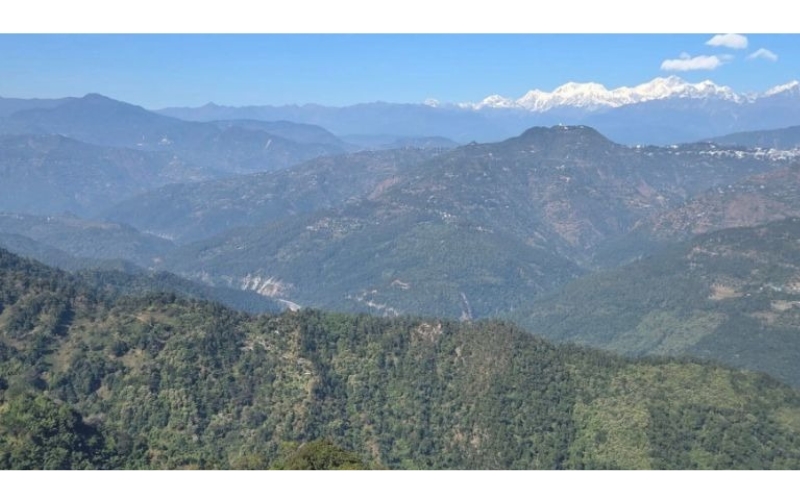
The majestic Himalayas, a sprawling abode of pristine beauty and breathtaking landscapes, captivates millions with its spiritual aura and unparalleled biodiversity. Yet, beneath its serene exterior lies a complex web of ecosystems where humans, wildlife, and livestock increasingly intersect. This convergence, amplified by rapid environmental changes, makes the region a silent crucible for zoonotic diseases – illnesses transmitted from animals to humans – demanding a much closer, urgent look from public health experts and policymakers alike.
The Himalayas: A Hotbed for Potential Zoonoses
India’s Himalayan belt, stretching across several states, is a unique biome characterised by diverse altitudes, varied climates, and an astonishing array of flora and fauna. This rich biodiversity, while a treasure, also means a greater number of potential host and reservoir species for pathogens. From rodents and bats carrying viruses to ticks and mosquitoes acting as vectors for bacteria and parasites, the sheer density of life forms increases the chances of pathogens jumping species barriers.
The movement of nomadic communities, livestock grazing in forests, and the booming tourism industry further intensify human-animal contact. Unidentified febrile illnesses, respiratory infections, and neurological conditions, often misdiagnosed or attributed to common causes, could potentially be emerging zoonoses. The remote nature of many Himalayan villages also means limited access to advanced diagnostic facilities, hindering accurate identification and timely intervention. The lack of comprehensive, region-specific epidemiological data further compounds this challenge, making it difficult to assess the true burden and potential of these diseases.
Drivers of Emergence: Climate Change and Human Footprint
The Himalayas are particularly vulnerable to climate change, experiencing warming at rates higher than the global average. This environmental shift plays a critical role in altering disease dynamics. Rising temperatures can expand the geographical range of disease vectors like ticks and mosquitoes to higher altitudes, introducing pathogens to previously unaffected human populations and animal hosts. Changes in rainfall patterns, glacier melt, and extreme weather events can disrupt natural habitats, forcing wildlife into new territories closer to human settlements and agricultural lands.
Simultaneously, human activities are leaving an indelible mark. Deforestation for agriculture, infrastructure development, and unchecked urbanisation are fragmenting forests and reducing natural buffers between humans and wildlife. This encroachment creates more opportunities for spillover events. Furthermore, the informal wildlife trade, although often hidden, presents another avenue for novel pathogens to enter human populations. As Dr. Priya Sharma, a leading epidemiologist specialising in emerging infectious diseases, remarks, “The Himalayas are a microcosm of global zoonotic risk. The interplay of climate change, ecological degradation, and increasing human-wildlife interface creates an environment ripe for pathogen emergence. Ignoring these subtle shifts is like ignoring a ticking time bomb.”
A Proactive Stance: Embracing One Health in the Mountains
Addressing the complex challenge of zoonotic diseases in the Himalayas requires a paradigm shift towards a holistic ‘One Health’ approach. This integrated strategy recognises that human health is inextricably linked to animal health and the health of the environment. For the Himalayan region, this means:
- Enhanced Surveillance and Early Warning Systems: Establishing robust surveillance networks that monitor wildlife, livestock, and human populations for unusual disease patterns. This includes strengthening diagnostic capabilities in local health centres and veterinary clinics.
- Interdisciplinary Collaboration: Fostering seamless cooperation between public health officials, veterinarians, wildlife biologists, forest departments, and environmental scientists. Data sharing and joint research initiatives are crucial for understanding disease ecology.
- Community Engagement and Education: Empowering local communities with knowledge about zoonotic risks, safe practices for handling livestock and wildlife, and the importance of reporting unusual illnesses. Given the indigenous knowledge present in these regions, integrating traditional practices with modern science can be highly effective.
- Policy Integration: Developing policies that consider health impacts across sectors, from land-use planning and tourism regulations to livestock management and biodiversity conservation. Sustainable development practices that respect ecological boundaries are paramount.
The Himalayas are not just a geographical feature; they are a vital ecosystem providing critical resources and influencing weather patterns across vast regions. The zoonotic diseases brewing in its depths pose a significant threat not only to the local populations but also potentially to wider national and global health security. It is imperative that India, along with its Himalayan neighbours, invests significantly in understanding, monitoring, and mitigating these silent threats. A closer look now can prevent a catastrophic outbreak later, safeguarding both the health of our people and the ecological integrity of this magnificent mountain range.
*

