


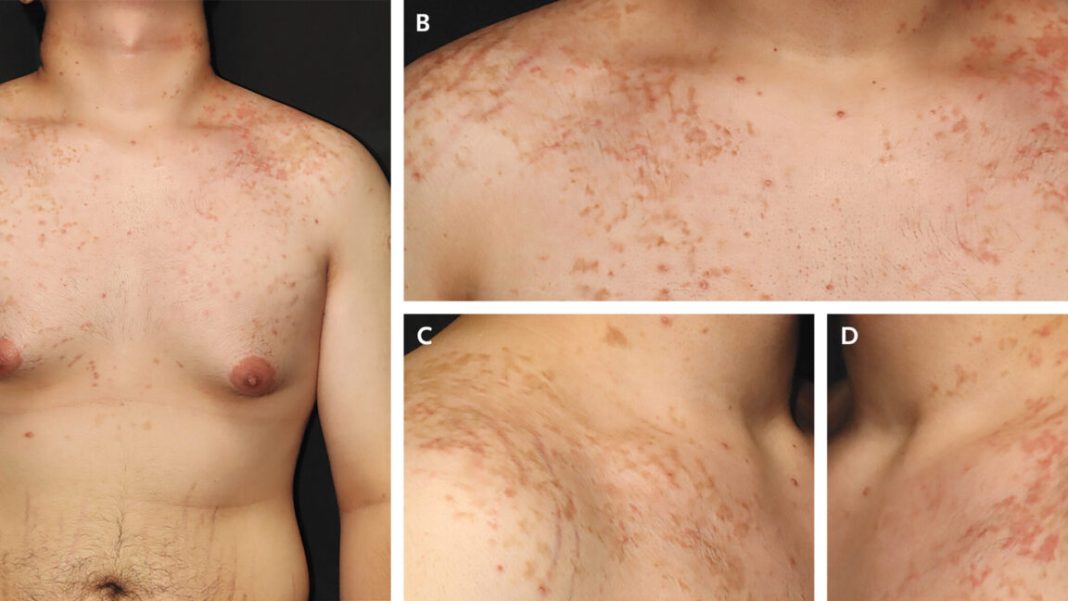
You’ve done it. You’ve committed to the keto lifestyle. You’re shedding pounds, feeling energetic, and maybe even boasting about your newfound mental clarity. Life is good… until an uninvited guest shows up. A weird, intensely itchy rash that seems to mock your dietary discipline. Welcome to the perplexing world of the “keto rash,” medically known as prurigo pigmentosa, a skin condition that’s leaving both dieters and dermatologists scratching their heads – literally.
The Uninvited Guest: What is This Keto Rash?
Imagine small, raised, reddish lesions that pop up on your neck, chest, back, armpits, or groin. They might look like an allergic reaction, but the itch is often far more aggressive, leading to intense scratching that can leave dark, net-like marks even after the lesions fade. This isn’t your run-of-the-mill acne or a heat rash. This is prurigo pigmentosa, and its sudden appearance in the context of a ketogenic diet is what makes it so baffling.
For many, the rash appears within weeks of starting or re-starting a keto diet, or sometimes even after a period of intense fasting. It’s distressing, unsightly, and can make sticking to a diet feel like an endurance test against your own skin. The frustration is palpable, not just because of the discomfort, but because there’s no clear, universally accepted answer for why it’s happening.
The Keto Conundrum: Why Is This Happening?
This is where the mystery deepens. While there’s a clear anecdotal link between the keto diet and this rash, the scientific community is still piecing together the “why.” Several theories are floating around, but none have been definitively proven.
One popular theory suggests it’s related to the body entering a state of ketosis itself. When your body burns fat for fuel, it produces ketones, including acetone. Some researchers hypothesize that this metabolic shift, or a byproduct of it, might trigger an inflammatory response in susceptible individuals. Other ideas include rapid changes in gut microbiome, nutrient deficiencies (like specific B vitamins or zinc) due to the restrictive nature of the diet, or even an immune reaction to something new in the diet, like artificial sweeteners or different cooking oils.
“I’ve seen patients incredibly frustrated by this,” shared Dr. Anya Sharma, a dermatologist with a special interest in diet-related skin conditions. “It’s a puzzle piece we’re still trying to fit into the larger picture of metabolic health. We know there’s a correlation, but the exact mechanism remains elusive.” The lack of a definitive cause makes treatment all the more challenging, often relying on trial and error.
Navigating the Itch: What Can You Do?
If you’re battling the keto rash, the first and most crucial step is to consult a dermatologist or your doctor. They can rule out other skin conditions and offer personalized advice. While there’s no official “cure,” some strategies have anecdotally brought relief to sufferers.
The most commonly reported solution, albeit often a reluctant one for keto enthusiasts, is the gradual reintroduction of carbohydrates. Many find that once they add a small amount of “safe” carbs back into their diet, the rash begins to subside. Other approaches include ensuring adequate hydration, addressing potential nutrient deficiencies, and using topical creams or oral antibiotics (like minocycline) prescribed by a doctor to reduce inflammation and infection. Some people also report relief with specific supplements, though evidence is largely anecdotal.
It’s important to remember that every body is different. What works for one person might not work for another. The key is to listen to your body, work with medical professionals, and be patient as you try to identify triggers and find relief.
The keto diet has undeniably helped many achieve their health goals, but for a noticeable segment, it brings along this unwelcome, itchy surprise. Until more research sheds light on prurigo pigmentosa and its connection to ketosis, managing this rash will continue to be a journey of careful observation, professional guidance, and a little bit of detective work on your own part. Don’t let the mystery deter you from seeking comfort and answers!

