


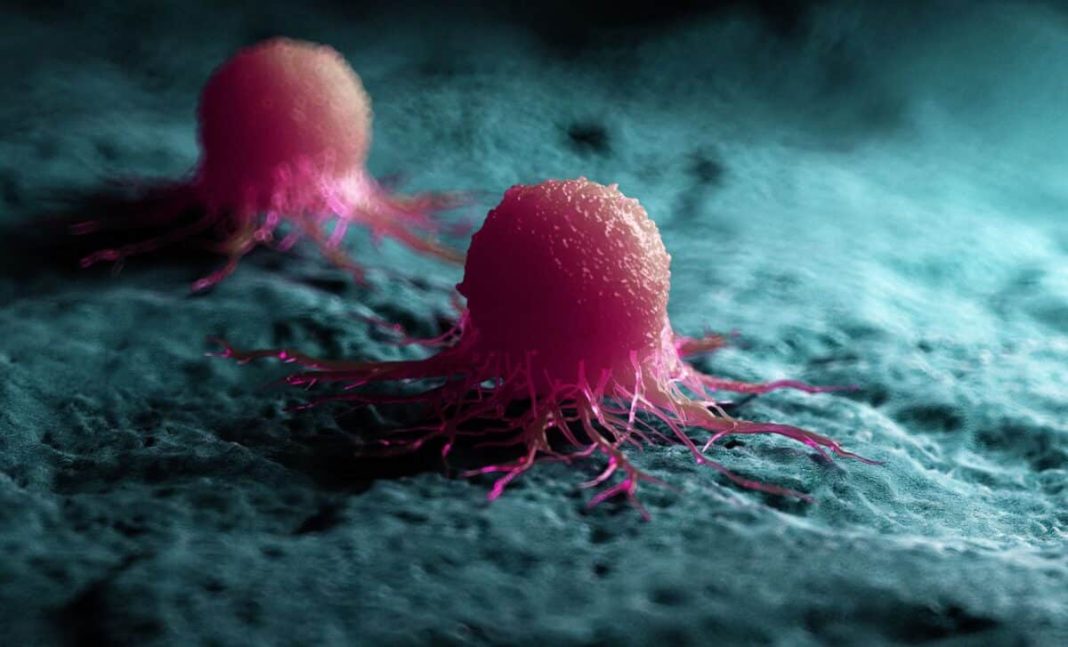
There’s a silent war happening within us, an intricate dance between our body’s defenders and rogue cells. For years, scientists have marveled at the immune system’s remarkable ability to detect and eliminate threats, from viruses to bacterial invaders. Yet, one of the most perplexing challenges in medicine is cancer – a disease where our own cells turn against us. What’s even more astonishing is that tumors often manage to grow, sometimes for years, without triggering a full-scale immune response. It’s a clever trick, a sophisticated evasion strategy that allows cancer to establish a foothold and spread, often undetected.
The Immune System: Our Internal Sentinel
Imagine your immune system as an elite, vigilant security force constantly patrolling your body. Its primary mission is to differentiate between “self” (healthy cells) and “non-self” (pathogens, damaged cells, or cancerous cells). When a cell becomes cancerous, it often develops abnormal proteins on its surface, known as antigens. These antigens act like flashing red lights, signaling to immune cells – particularly T-cells and Natural Killer (NK) cells – that something is amiss. In an ideal scenario, these immune cells would swiftly identify and destroy the abnormal cells, preventing a tumor from ever forming or growing large.
This process, called immune surveillance, is remarkably effective most of the time. Many cancerous or pre-cancerous cells are likely eliminated before we ever know they existed. However, cancer is a formidable adversary, constantly evolving and adapting. When a tumor does manage to grow, it’s often because it has outsmarted this surveillance.
Tumors’ Masterful Disguises and Diversions
The ingenuity of a tumor in evading the immune system is truly astounding. It’s not just one trick, but a repertoire of sophisticated maneuvers. One common tactic is to mask their abnormal antigens, making them less visible to patrolling immune cells. Think of it like a criminal changing their clothes or altering their face to blend into a crowd.
Beyond simple camouflage, tumors often actively manipulate their surroundings, creating an immunosuppressive microenvironment. They release molecules that suppress immune cells, essentially sending “don’t attack” signals. Even macrophages, immune cells typically for cleanup, can be “re-educated” by the tumor to protect it instead of attacking it.
Perhaps one of the most well-known and crucial mechanisms involves checkpoint proteins, such as PD-1 on T-cells and its ligand, PD-L1, often expressed on tumor cells. Normally, these checkpoints act as brakes to prevent the immune system from overreacting and attacking healthy tissues. However, many tumors exploit this system, overexpressing PD-L1 on their surface. When PD-L1 on the tumor binds to PD-1 on a T-cell, it effectively switches off the T-cell, preventing it from recognizing and destroying the cancer. “It’s like a sophisticated biological ‘off’ switch, turning our body’s defenders into passive observers,” explains Dr. Anya Sharma, a lead researcher in immuno-oncology.
Turning the Tables: Harnessing Immunotherapy
Understanding these clever evasion tactics has been a game-changer in cancer research. By deciphering how tumors hide, scientists have been able to develop innovative treatments that essentially “unmask” the cancer or “release the brakes” on the immune system. Immunotherapies, particularly checkpoint inhibitors, are designed to block these inhibitory signals, allowing T-cells to reactivate and mount a powerful attack against the tumor. This paradigm shift empowers the body’s own defenses against cancer, rather than just directly attacking cells.
While not a cure-all, immunotherapy has revolutionized treatment for many, offering new hope. Ongoing research continually uncovers new vulnerabilities, paving the way for more targeted therapies.
Conclusion
The ability of a tumor to remain hidden from the immune system for years is a testament to cancer’s evolutionary cunning. It highlights the complex biological warfare occurring at a cellular level. However, every trick discovered by cancer leads to a deeper understanding for us. By peeling back the layers of these sophisticated evasion strategies, we continue to arm ourselves with knowledge, paving the way for more targeted and effective treatments that can finally turn the tide in the fight against this formidable disease.

