


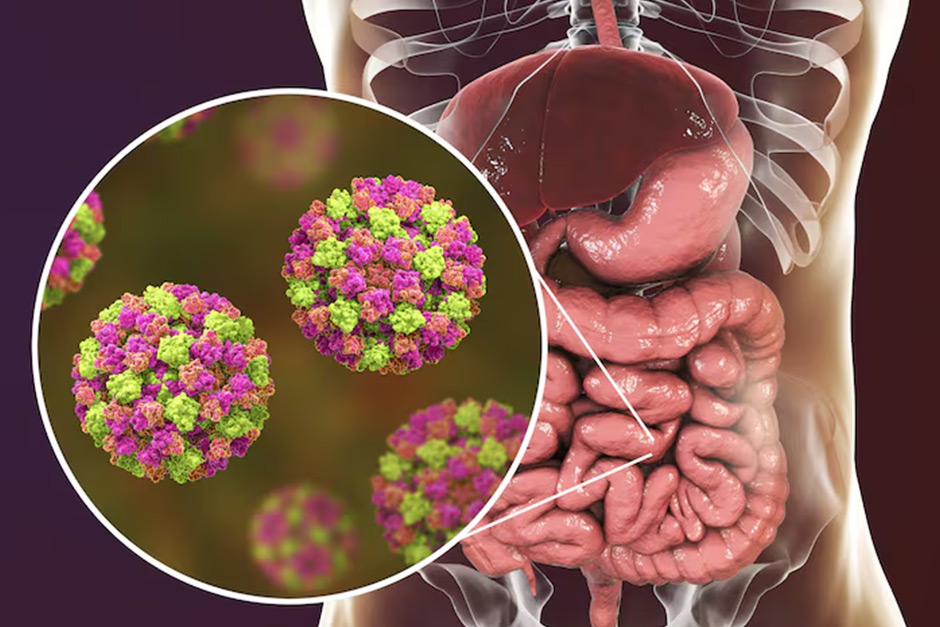
As winter settles in, many regions often anticipate the usual seasonal challenges, from common colds to influenza. However, this year, it appears a particularly aggressive and highly contagious stomach bug has become a significant talking point, making its rounds across the nation with remarkable speed. This trend, characterized by its rapid transmission and disruptive symptoms, is prompting communities to take notice and understand how to best navigate its widespread presence.
Understanding a Highly Contagious Winter Bug
The “stomach bug” generally refers to viral gastroenteritis, a common infection of the intestines. While various viruses can cause it, the current widespread trend often points to culprits known for their exceptional contagiousness, such as norovirus. These viruses are infamous for their ability to spread quickly, especially in communal settings.
Symptoms typically include sudden onset of nausea, forceful vomiting, watery diarrhea, and stomach cramps. Some individuals may also experience a low-grade fever, headaches, and body aches. While profoundly uncomfortable and debilitating, these symptoms are usually short-lived, often resolving within one to three days. The primary concern, especially for young children, the elderly, and those with underlying health conditions, is dehydration due to fluid loss from vomiting and diarrhea.
Why is it Spreading So Rapidly?
Several factors contribute to the swift nationwide spread of this particular winter stomach bug. Firstly, the nature of these viruses themselves plays a crucial role. They require only a very small number of viral particles to cause infection, meaning even microscopic contact can be enough to transmit the illness. Furthermore, these viruses are known for their resilience, capable of surviving on surfaces for extended periods, even hours or days, making environmental contamination a significant concern.
Seasonal patterns also fuel the spread. Colder weather typically drives people indoors, increasing close contact in homes, schools, workplaces, and public spaces. This proximity provides ideal conditions for respiratory droplets and contaminated surfaces to facilitate transmission. “It’s a particularly tenacious virus,” remarked a public health professional. “Its ability to spread through minuscule particles and survive on surfaces makes it incredibly challenging to contain once it gets going, especially when people are in close quarters.”
Transmission primarily occurs through the fecal-oral route, meaning the virus is shed in the stool and vomit of infected individuals and can be ingested by others. This can happen indirectly by touching contaminated surfaces and then touching one’s mouth, or directly through contact with an infected person. Additionally, people can remain contagious for some time after their symptoms have improved, unknowingly continuing to spread the virus.
Navigating the Outbreak: Prevention and Care
While the prospect of a highly contagious stomach bug can be daunting, there are practical steps individuals and communities can take to minimize its impact and manage symptoms.
Hand hygiene is paramount. Thorough and frequent handwashing with soap and water for at least 20 seconds, especially after using the restroom and before preparing or eating food, is crucial. Alcohol-based hand sanitizers are generally less effective against some of these viruses compared to proper handwashing.
Regular disinfection of frequently touched surfaces with bleach-based cleaners is also recommended, particularly in areas where sick individuals have been present. Those experiencing symptoms should aim to stay home from work, school, or social gatherings to prevent further spread. Contaminated clothing or linens should be handled carefully and washed thoroughly.
For those who do contract the bug, the focus of care is primarily supportive.
Staying hydrated is critical to prevent dehydration. Sipping small amounts of clear fluids like water, electrolyte solutions, or clear broths is advisable. Rest is also essential for recovery. While uncomfortable, most individuals recover fully without specific medical treatment, though seeking medical advice is prudent for severe dehydration, persistent high fever, blood in vomit or stool, or for individuals with compromised immune systems.
The current widespread presence of this stomach bug highlights the continuous need for vigilance and adherence to established public health practices. Understanding its characteristics and transmission pathways empowers individuals to take proactive steps in safeguarding their health and that of their communities during this trend.
—

