


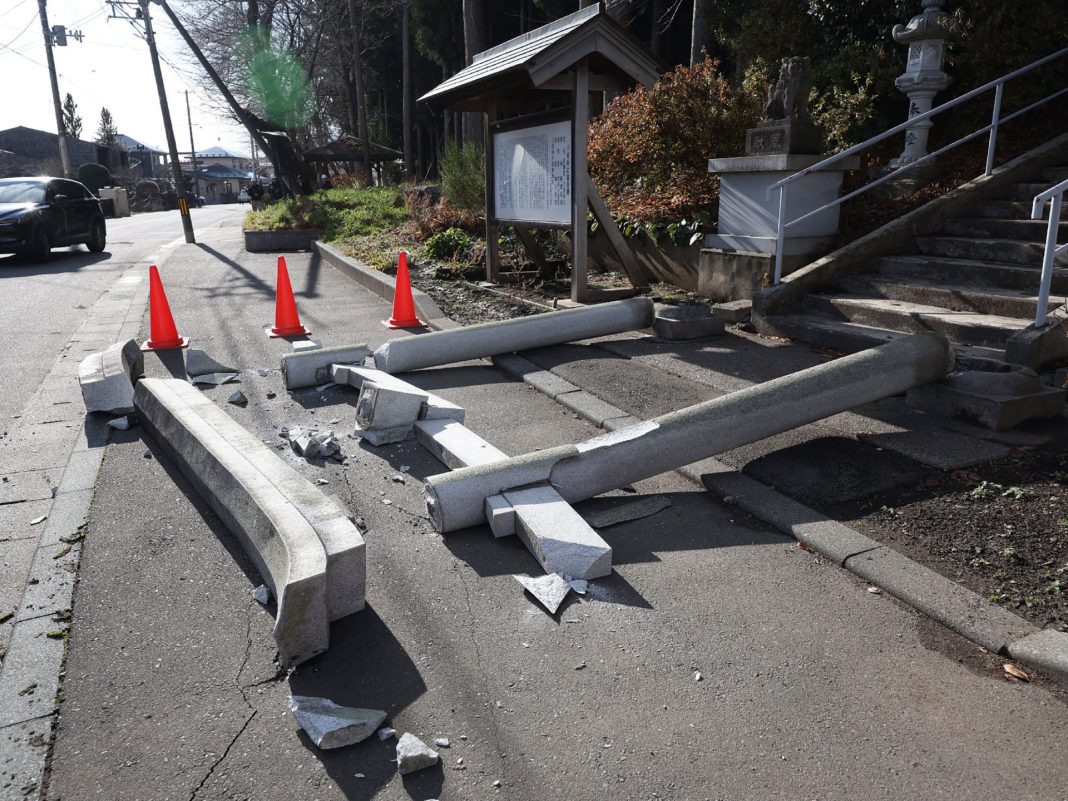
The ground beneath Japan’s northeastern coast has once again delivered a chilling reminder of nature’s formidable power. Our hearts collectively skipped a beat as news broke of a powerful 6.7 magnitude earthquake, an event that instantly triggered the most dreaded follow-up: a tsunami warning. For a nation so deeply intertwined with the rhythm of the Earth, it’s a stark, visceral experience that calls forth both deep-seated fear and an almost automatic, practiced response.
The Shaking and the Warning: A Nation Holds Its Breath
Imagine the sudden, violent tremor. The world lurching, objects rattling, the air filling with an unsettling groan as the very foundations of your home shift. That’s the terrifying reality that swept across Japan’s northeast, a region no stranger to seismic activity. A 6.7 magnitude quake isn’t just a number; it’s a profound, disorienting force capable of causing significant damage and, more critically, capable of displacing vast amounts of ocean water.
The immediate issuance of a tsunami warning, even for smaller waves, is a testament to Japan’s hyper-vigilance. In a nation where memories of past catastrophes are etched into the collective psyche, every jolt is met with an urgent call to action. Residents along the affected coastline were immediately urged to evacuate to higher ground, a drill that, tragically, many have practiced countless times before. This isn’t just about escaping a wall of water; it’s about making split-second decisions that can mean the difference between life and death, driven by the eerie knowledge of what the sea can do.
Resilience and Readiness: Japan’s Constant Vigil
Japan lives on the Pacific Ring of Fire, making it one of the most seismically active places on Earth. This challenging geography has, over centuries, forged a society built on extraordinary resilience and unparalleled preparedness. From stringent building codes that demand structures withstand powerful tremors to a sophisticated early warning system that provides precious seconds of advance notice, the nation is a global leader in disaster mitigation.
Yet, no amount of engineering marvel or technological prowess can completely erase the human element of fear. Each tremor, each warning, brings with it a wave of anxiety, a reliving of past traumas. “The ground shaking is always terrifying, but here in Japan, the moment that warning blares, you know exactly what to do. It’s a fear you live with, but also a resilience you build,” said a resident, encapsulating the dual reality of life in this beautiful, vulnerable nation. This constant state of vigilance, while exhausting, is also their greatest strength, enabling swift action and minimizing potential casualties.
Even as the immediate panic subsides and initial reports clarify the extent of any tsunami impact, the aftershocks – both literal and psychological – linger. It’s a moment for global reflection on our own vulnerabilities and the incredible human capacity to adapt, prepare, and endure in the face of nature’s raw power. Our thoughts remain with the people of Japan’s northeast as they navigate this latest challenge with their characteristic courage and composure.
*

