


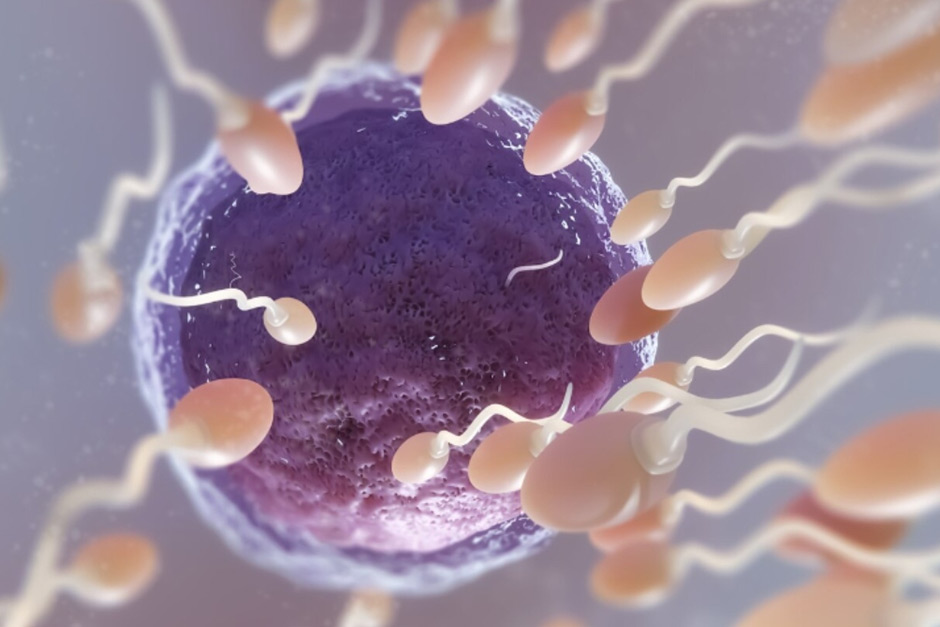
Imagine discovering a hidden chapter in your family’s story – not one of distant relatives, but one etched into your very DNA. Now, imagine that discovery comes with the chilling revelation that your biological father, a sperm donor, carried a cancer-predisposing gene, and through him, nearly 200 children, including yourself, could potentially share that inheritance. This isn’t a dystopian novel; it’s a stark reality that has sent shockwaves through the world of reproductive medicine and deeply impacted hundreds of lives.
The Ripple Effect: A Genetic Lottery with High Stakes
For the individuals conceived through this donor, the news isn’t just about understanding their ancestry; it’s about confronting their future health. Each child now faces the daunting question of whether they, too, carry the genetic marker that significantly increases their risk for certain cancers. This isn’t merely an abstract health concern; it’s a deeply personal burden, one that necessitates difficult conversations with doctors, potential preventative screenings, and profound emotional processing. It transforms the joyous journey of discovering one’s origins into a medical imperative, casting a shadow over what should be a straightforward exploration of identity.
The implications extend beyond the immediate health risks. There’s the psychological toll – the anxiety, the feeling of betrayal, and the complex emotions surrounding the very concept of their biological heritage. For parents who chose the path of sperm donation, believing they were making a safe and informed decision, this news is equally devastating. It brings into question the trustworthiness of a system designed to offer hope and build families, exposing critical vulnerabilities in the screening processes meant to safeguard future generations.
Accountability and the Evolving Landscape of Genetic Screening
The central question that echoes through this unsettling narrative is: How could this happen? In an age of rapidly advancing genetic science, the expectation is that rigorous screening protocols would prevent such widespread genetic risks from passing through donation programs. This incident highlights a critical lapse, prompting an urgent re-evaluation of current practices within sperm banks and regulatory bodies worldwide.
Was the donor screened adequately? Were the genetic tests performed comprehensive enough, or did the understanding of specific cancer genes evolve after his donations began? These are not simple questions, and the answers often reveal a complex interplay of scientific limitations, evolving ethical guidelines, and sometimes, human error or insufficient diligence. As Dr. Eleanor Vance, a bioethicist specializing in reproductive technologies, aptly put it, “Our understanding of genetics is constantly evolving, and our screening protocols must evolve even faster. The moral imperative is clear: protect future generations, not just from infectious diseases, but from foreseeable genetic predispositions.” This incident serves as a stark reminder that the responsibility of reproductive clinics extends far beyond facilitating conception; it encompasses a profound ethical duty to ensure the health and well-being of every child brought into the world through their services.
This unsettling situation compels us to demand greater transparency, stricter genetic screening standards, and robust long-term follow-up protocols for donors. The welfare of donor-conceived individuals must always be paramount. This event isn’t just a cautionary tale; it’s a call to action for the entire industry to fortify its foundations, ensuring that the promise of family building doesn’t inadvertently carry unforeseen burdens for the next generation.

