


A Scary Taxi Ride to Bengal’s Notorious Bhangar, Where MLA Nawsad Siddique is Loved Beyond Faith | Ground Report
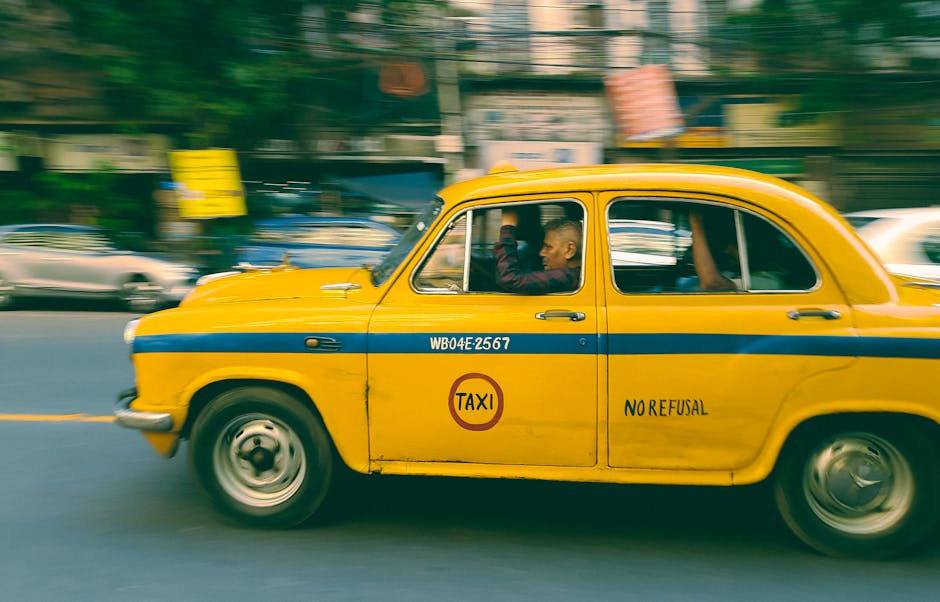
The yellow taxi lurched forward, leaving behind the bustling arteries of Kolkata for the narrower, increasingly rural roads leading to Bhangar. The driver, a weathered man named Sunil, gripped the steering wheel a little tighter as we crossed into South 24 Parganas. “Bhangar,” he muttered, shaking his head slightly, “It’s always trouble there. Too many factions, too much history.” His apprehension was palpable, a silent testament to a region etched in public consciousness by headlines of political violence, land acquisition disputes, and a simmering discontent that frequently boils over. Yet, it is precisely this volatile landscape that has become the stronghold of a leader whose popularity defies conventional political analysis: MLA Nawsad Siddique, the sole Indian Secular Front (ISF) legislator in the West Bengal Assembly.
The Shadow of Unrest: A Journey into Bhangar
The journey to Bhangar is a gradual immersion into an area distinct from metropolitan Bengal. The concrete gives way to verdant fields, ponds, and scattered villages. But beneath this bucolic facade lies a complex history of socio-political tension. For years, Bhangar has been synonymous with the fierce resistance against a proposed power substation project. Local farmers and activists, fearing forced land acquisition and ecological damage, clashed repeatedly with authorities and ruling party cadres. The memory of these confrontations, marked by arrests, injuries, and even fatalities, still hangs heavy in the air. Sunil recounted stories of disrupted transport, spontaneous blockades, and the general sense of unease that once permeated daily life. “You never knew when trouble would flare up,” he explained, his eyes scanning the fields ahead. “People here, they’ve seen a lot. They don’t trust easy promises.” This backdrop of distrust and defiance provides fertile ground for an alternative narrative, one that Nawsad Siddique has skillfully cultivated.
Nawsad Siddique: The Unconventional Leader
Upon arrival, the narrative shifts dramatically. The fear Sunil expressed dissipates, replaced by a tangible sense of loyalty and anticipation among the locals. Nawsad Siddique is not just a politician here; he is a symbol of resistance, an embodiment of the people’s aspirations for dignity and justice. His lineage as a Pirzada (descendant of a Sufi saint) from the revered Furfura Sharif shrine in Hooghly district undoubtedly lends him a certain spiritual authority, particularly among the Muslim majority in the area. However, his appeal transcends religious faith, tapping into a broader sentiment of disillusionment with established political forces.
Siddique entered the political fray as an unexpected challenger, forming the Indian Secular Front (ISF) and aligning with the Left-Congress alliance for the 2021 assembly elections. His victory from Bhangar was a stunning upset, breaking the dominance of major parties. What truly cemented his position, however, was his unwavering stance against the state’s ruling party and his subsequent arrest and prolonged incarceration on charges of public violence. Far from diminishing his stature, his time in jail elevated him to a martyr-like figure in the eyes of his supporters.
“He stood with us when no one else dared,” said Rahamatullah Mondal, a local shopkeeper, his voice brimming with conviction. “He went to jail for speaking for us. For us, Nawsad Bhai is not just a leader; he’s our voice, our shield. We love him not just with our vote, but with our entire heart, beyond any political calculation or even faith itself. He is Bhangar’s hope.” This powerful sentiment encapsulates the depth of Siddique’s connection with his constituency. He is perceived as someone who genuinely fights for their rights, especially against alleged corruption and oppression by the ruling establishment. His frequent visits, his engagement with local issues, and his image as an honest, outspoken leader have forged an unbreakable bond.
Bhangar’s Future: A Complex Path Ahead
The ground reality in Bhangar presents a fascinating study in political dynamics. While the region’s past notoriety suggests a place perpetually on edge, Siddique’s presence has, for many, brought a sense of empowerment. The “scary” taxi ride ends not in palpable danger, but in a strong awareness of a political phenomenon. The power substation, once the focal point of agitation, is now functional, but the underlying socio-economic grievances and the desire for equitable development remain. Siddique’s challenge lies in translating this intense personal loyalty into tangible improvements for his constituents, while navigating the complex and often hostile political landscape of West Bengal.
Bhangar remains a paradox – a place scarred by conflict, yet pulsating with a fervent belief in a leader who promises a different future. The journey here is more than just a commute; it’s an eye-opening encounter with a community that has found its voice, and a symbol of defiance in Nawsad Siddique, whose popularity is rooted deeply in the soil of this notorious yet hopeful corner of Bengal.

