


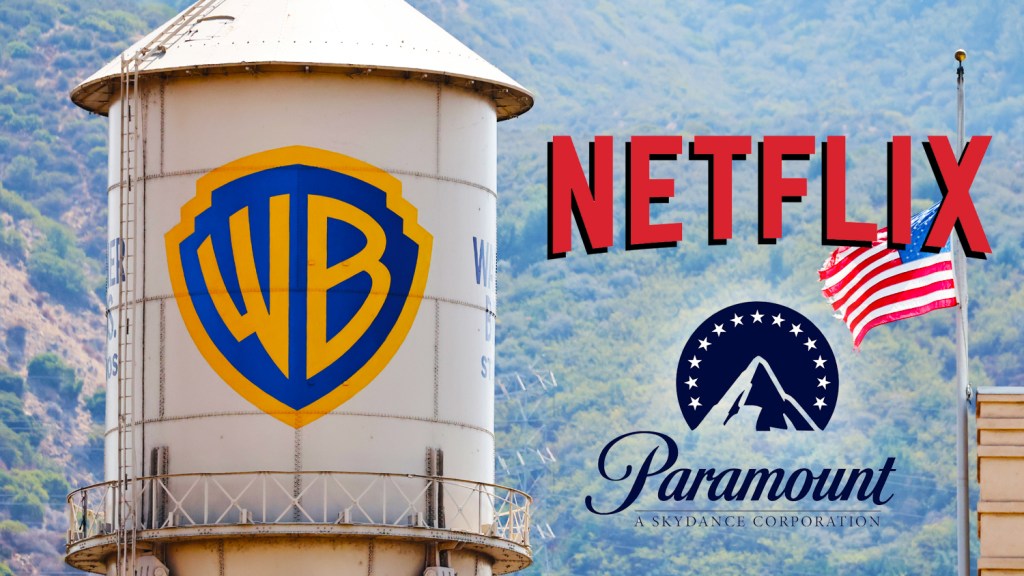
The rumor mill never truly stops churning in Hollywood, but sometimes a whisper grows into a roar that can’t be ignored. The latest buzz? A potential merger between streaming giant Netflix and media behemoth Warner Bros. Discovery (WBD). While such a colossal deal would undoubtedly face intense scrutiny, a prominent regulatory expert is reportedly claiming it’s not just likely, but practically a done deal – and here’s the kicker – even Donald Trump is expected to get on board. If this sounds like a plot twist worthy of its own HBO series, you’re not alone. Let’s peel back the layers of this fascinating scenario.
Untangling the Regulatory Knot: It’s Not What You Think
On the surface, a Netflix-WBD merger looks like an antitrust lawyer’s dream. Two of the biggest players in content creation and distribution joining forces? That screams market dominance and reduced competition, right? Not necessarily, according to insights from those who navigate these waters daily. The media landscape has undergone such a seismic shift in recent years that the old rules no longer fully apply.
Consider the rise of Apple TV+, Amazon Prime Video, Disney+, and even the likes of Peacock and Paramount+. The market isn’t just Netflix versus traditional studios anymore; it’s a vast, interconnected digital ecosystem. A regulatory expert I spoke with, who requested anonymity given the sensitivity of such a massive potential deal, put it plainly: “Regulators aren’t just looking at the streaming market in a vacuum. They’re looking at the entire digital entertainment economy, from gaming to social media. In that broader context, even a combined Netflix-WBD isn’t viewed as a monolithic entity that would crush all competition. The sheer number of well-funded players means there’s still plenty of room for innovation and consumer choice.” This perspective suggests that the argument for healthy competition against tech giants with even deeper pockets might actually smooth the path for approval.
Why Trump Might Play Ball: The Unlikely Ally
This is where the story truly takes an unexpected turn. Donald Trump, known for his skepticism towards corporate giants and a general “America First” stance, might seem like an odd champion for a multi-billion dollar media merger. However, digging a little deeper reveals potential strategic alignments.
For one, Trump has consistently emphasized the importance of American jobs and maintaining U.S. dominance in key industries. A combined Netflix-WBD would represent an undeniable global powerhouse for American entertainment. It would solidify a formidable competitor on the world stage, potentially outmaneuvering foreign content producers and bolstering the export of American culture and intellectual property. Furthermore, such a deal could be framed as a massive investment in American content creation, potentially leading to job retention and growth in the creative sector – a narrative that could resonate well with a populist message. For a deal of this magnitude, the political optics of strengthening a vital American industry against global competitors could very well supersede traditional antitrust concerns in his administration’s eyes.
The Future of Entertainment: What This Means for You
If this deal does indeed materialize, the implications for consumers would be profound. Imagine a single streaming behemoth housing everything from Netflix’s original hits like Stranger Things to HBO’s prestigious dramas like Succession, alongside the vast Warner Bros. film library and Discovery’s unscripted content. It would offer an unparalleled catalog under one roof, potentially simplifying the often-frustrating landscape of subscription fatigue.
While some might fear content consolidation, others might welcome the convenience of a “super streamer.” Pricing models, bundling options, and the overall user experience would undoubtedly evolve. It would force competitors to innovate even faster, potentially leading to an even richer, more diverse entertainment offering across the board. This isn’t just about two companies merging; it’s about reshaping the very fabric of how we consume stories and interact with our favorite content.
The idea of a Netflix-WBD merger, greenlit by a regulatory expert and potentially even endorsed by a figure like Donald Trump, points to a future where the lines between traditional media and digital streaming are not just blurred, but completely dissolved. It’s a bold vision for entertainment, poised to deliver a unified, comprehensive content experience that could redefine industry standards for years to come.
—

