


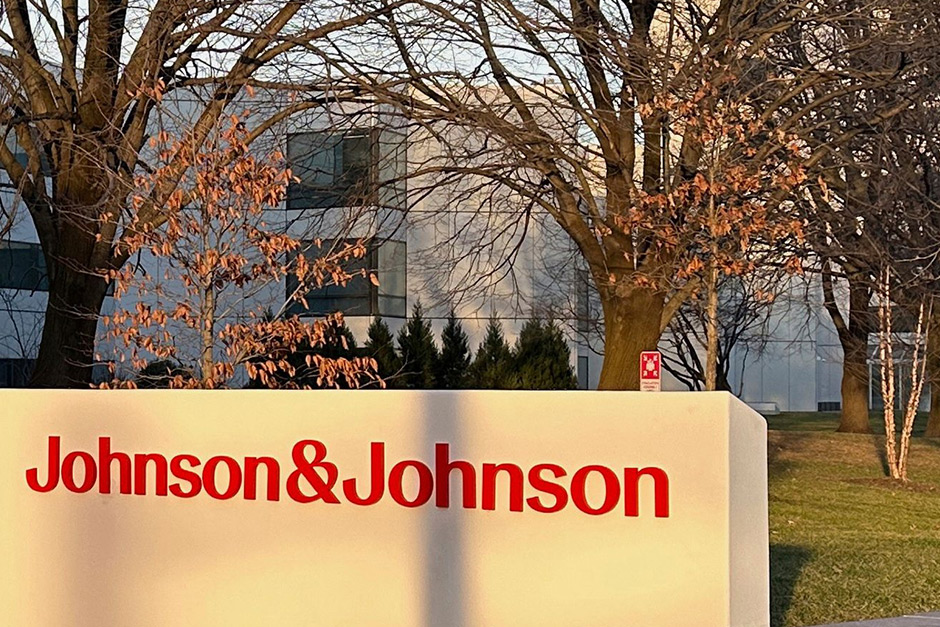
A Minnesota jury recently delivered a verdict that has once again brought the long-standing debate over talcum powder and its potential health implications into sharp focus. The decision awarded $65.5 million to a woman who asserted her cancer was linked to her use of Johnson & Johnson’s talc-based products. This significant outcome adds another layer to the ongoing legal landscape surrounding cosmetic talc and corporate responsibility.
Understanding the Minnesota Verdict
The jury’s decision in Minnesota found Johnson & Johnson liable for negligence and product liability. The plaintiff in the case alleged that years of using the company’s talcum powder products, specifically for feminine hygiene, contributed to her development of ovarian cancer. The substantial monetary award underscores the jury’s finding that the company failed to adequately warn consumers about potential health risks associated with its product.
The $65.5 million award is composed of both compensatory and punitive damages. Compensatory damages are intended to reimburse the plaintiff for losses such as medical expenses, pain, and suffering. Punitive damages, often larger, are designed to punish the defendant for perceived egregious conduct and to deter similar actions in the future. This dual component highlights the jury’s assessment not only of harm suffered but also of the company’s conduct.
The Talcum Powder Debate and Health Concerns
For decades, talcum powder has been a common household item, valued for its absorbent and friction-reducing properties in a variety of personal care products. However, for many years, a debate has simmered among scientists and health organizations regarding its safety, particularly concerning its potential link to ovarian cancer when applied genitally.
Various scientific studies have presented conflicting results, with some suggesting a statistical association between talc use and certain cancers, while others have found no definitive causal link. Regulatory bodies and scientific organizations, such as the FDA and the International Agency for Research on Cancer (IARC), have different classifications and ongoing reviews, reflecting the complexity of the scientific evidence. IARC classifies talc that contains asbestos as carcinogenic, and perineal use of talc-based body powder as “possibly carcinogenic to humans.”
Johnson & Johnson has consistently maintained that its talc products are safe, asbestos-free, and that decades of scientific research support this position. The company has vigorously defended its products against these claims, yet the legal challenges continue to emerge. “As one legal analyst noted, ‘These verdicts often reflect a jury’s interpretation of available scientific evidence combined with perceived corporate responsibility, shaping public discourse on product safety.'”
Broader Implications for Industry and Consumers
This Minnesota verdict is not an isolated incident. Johnson & Johnson has faced thousands of lawsuits across the United States concerning its talc products, leading to a mix of verdicts, settlements, and appeals. The company has also announced plans to discontinue the sale of its talc-based baby powder globally, transitioning to a cornstarch-based alternative, a move it has stated was a “commercial decision” rather than an admission of guilt regarding safety.
For consumers, these high-profile cases have significantly heightened awareness about product ingredients and potential health risks. Many are now seeking out talc-free alternatives in various cosmetic and personal care products, prompting a shift in consumer demand. The ongoing legal battles also place increased scrutiny on regulatory frameworks and the responsibilities of manufacturers to ensure product safety and transparent communication with the public.
The cumulative effect of such verdicts can influence not only corporate strategies but also future regulatory approaches to product safety. It highlights the intricate balance between market availability, scientific understanding, and legal accountability in safeguarding public health.
The $65.5 million jury award in Minnesota marks another significant chapter in the complex narrative surrounding talcum powder, product safety, and corporate accountability. It reinforces the power of individual legal action in bringing product safety concerns to the forefront and contributes to an evolving landscape where consumer health and manufacturer responsibility are under continuous examination.

