


A ripple of concern has spread across Georgia as public health officials confirm a case of measles within the state. For many, measles feels like a relic of the past, a childhood illness largely eradicated thanks to robust vaccination programs. Its reappearance, however, serves as a potent reminder that vigilance remains crucial in safeguarding community health. This isn’t just a local news item; it’s a call to action for everyone to understand the enduring threat of preventable diseases.
Understanding Measles: A Lingering Threat
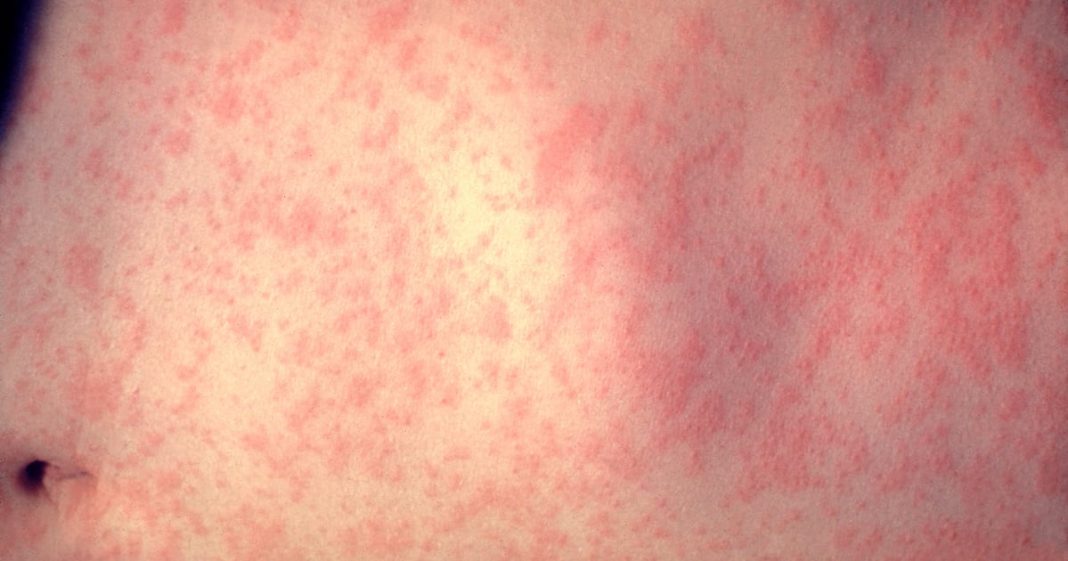
Measles is far from a benign childhood ailment. It’s a highly contagious viral disease that can lead to serious complications, including pneumonia, encephalitis (inflammation of the brain), and even death. Before the widespread introduction of the measles vaccine, millions contracted the disease annually, and countless lives were tragically lost. Its hallmark symptoms include a high fever, cough, runny nose, red and watery eyes, and the characteristic rash that typically appears a few days later.
What makes measles particularly insidious is its incredible contagiousness. The virus can linger in the air for up to two hours after an infected person has left a room, making transmission remarkably easy. An unvaccinated individual exposed to measles has a 90% chance of contracting it. For decades, the collective efforts of public health initiatives and widespread vaccination campaigns pushed measles to the brink of eradication in many developed nations, turning it into a disease most people only read about in history books. The detection of a new case, therefore, is not merely a statistical anomaly; it’s a signal that our collective immunity might be facing new challenges.
The Unwavering Power of Vaccination and Community Vigilance
The good news is that we have an incredibly effective weapon against measles: the MMR (measles, mumps, and rubella) vaccine. This vaccine is safe, highly effective, and has been instrumental in preventing countless cases and saving lives globally. Two doses of the MMR vaccine provide approximately 97% protection against measles, creating a shield not just for the vaccinated individual but for the entire community through a phenomenon known as “herd immunity.”
Herd immunity protects those who cannot be vaccinated, such as infants too young to receive the vaccine, individuals with compromised immune systems, or those with specific medical contraindications. When a high percentage of the population is vaccinated, it significantly reduces the chances of the virus circulating, thereby protecting the most vulnerable members of our society. However, when vaccination rates dip, even slightly, pockets of susceptibility emerge, creating fertile ground for diseases like measles to re-establish a foothold and potentially spread.
In light of this recent development, health officials are urging Georgians to ensure their vaccinations are up to date, especially for children. If you’re unsure about your or your family’s vaccination status, now is the time to consult with your healthcare provider. Being proactive is key to containing potential outbreaks and maintaining the health security we’ve worked so hard to achieve. Vigilance for symptoms, particularly if you’ve had potential exposure, is also critical. Early detection and isolation can prevent further spread.
“This single case serves as a crucial reminder of how quickly highly contagious diseases can re-emerge if we drop our collective guard,” emphasized Dr. Anya Sharma, a public health specialist. “It underscores that vaccination isn’t just about protecting yourself; it’s about safeguarding the health of our entire community, especially those who can’t be vaccinated. We have the tools to prevent widespread illness; we just need to use them consistently.”
The return of measles to Georgia is a stark reminder that public health is a shared responsibility. By understanding the threat, valuing the power of vaccination, and staying vigilant, we can all contribute to keeping our communities healthy and ensuring that diseases like measles remain a distant memory rather than a present danger.

