


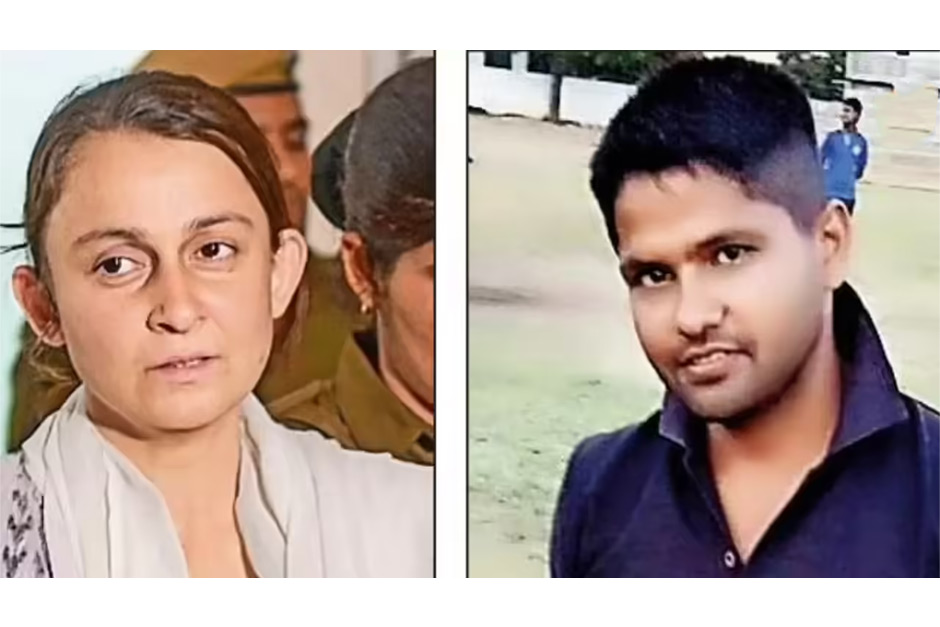
In a story that blurs the lines between correctional facility and community, two individuals serving life sentences in a Rajasthan open jail are set to marry, marking a rare and poignant chapter in India’s penal history. This unique union, blooming within the progressive framework of the state’s open prison system, offers a powerful narrative of hope, rehabilitation, and the enduring human quest for companionship, even under the most challenging circumstances.
The impending marriage of Rakesh Kumar and Priya Devi (names changed for privacy), both life-term convicts residing in an open jail facility in Rajasthan, has garnered significant attention. Their story is not just about finding love, but also about the transformative potential of a justice system designed to reintegrate rather than merely punish. It underscores a philosophy that believes in second chances and the fundamental right to live with dignity, even for those who have committed serious offences.
A Love Story Forged in Confinement
Rakesh and Priya met and fell in love within the relatively relaxed confines of the open jail. Unlike conventional prisons, where inmates are strictly segregated and interactions are heavily restricted, open jails foster a more communal environment. It was amidst daily routines, shared responsibilities, and the subtle rhythms of prison life that their bond grew. Both individuals, having spent considerable time behind bars for their respective crimes, found solace and understanding in each other’s presence. Their decision to formalise their relationship with marriage is a testament to the emotional support and sense of normalcy that the open jail system aims to provide.
Their journey to matrimony required navigating administrative approvals and legal processes, which the jail authorities have reportedly facilitated, acknowledging the positive impact such a union could have on their rehabilitation. This isn’t merely a romantic tale; it’s a powerful illustration of individuals finding a pathway to emotional stability and a semblance of a future, despite the shadows of their past.
Rajasthan’s Visionary Open Jail Model
Rajasthan stands at the forefront of India’s correctional reforms with its pioneering open jail system. The state boasts the highest number of such facilities in the country, championing a philosophy centered on rehabilitation and social reintegration. Open jails differ significantly from traditional prisons; they are characterised by minimal security, allowing inmates who have demonstrated good conduct to live with greater freedom, often working outside the jail premises and earning a livelihood.
The premise is to gradually reintroduce convicts to society, equipping them with skills and fostering a sense of responsibility. Inmates in open jails often have more direct access to amenities, can manage their own finances, and crucially, maintain closer ties with their families. This less restrictive environment inherently allows for more social interaction among inmates, which, in Rakesh and Priya’s case, blossomed into a profound relationship. The system trusts inmates to be self-disciplined and committed to reform, a trust that appears to have been rewarded in this instance.
A senior official from the Rajasthan Prisons Department, preferring anonymity, shared, “The success of our open jail system lies in fostering a sense of normalcy and responsibility among inmates. This marriage, while certainly unusual, is a poignant example of individuals finding purpose and companionship even within the confines of a sentence. It reinforces our belief in human resilience and the power of reform.”
Beyond the Walls: Hope and Rehabilitation
The impending marriage of Rakesh and Priya is more than just a personal milestone; it sends a powerful message about the evolving landscape of justice and rehabilitation in India. It challenges long-held societal stigmas associated with convicts and highlights the potential for reform, even for those serving life sentences. For the broader community, it offers a glimpse into a system that not only punishes but also seeks to heal and rebuild lives.
Such events serve as a beacon of hope, demonstrating that love and companionship can thrive in unexpected places, and that a life sentence need not equate to a life devoid of personal fulfillment. As the couple prepares to embark on this new chapter, their story becomes a compelling narrative for correctional reform advocates, reinforcing the idea that humane and progressive prison systems can indeed foster positive change and offer second chances.
Their marriage within the open jail premises will undoubtedly be a quiet affair, but its resonance will echo far beyond its walls, symbolising an unwavering belief in humanity’s capacity for redemption and the transformative power of connection.

