


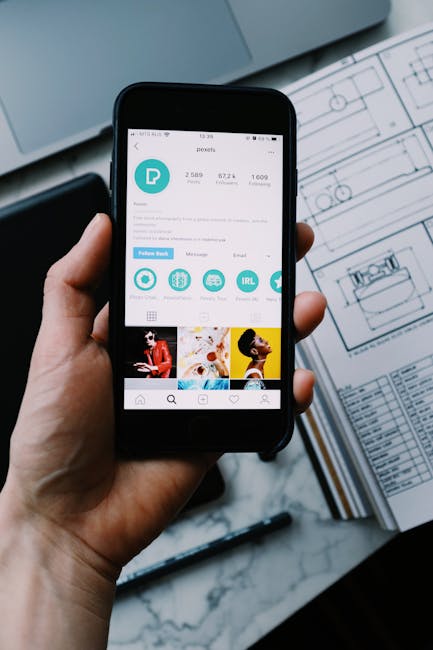
A tremor just ran through the digital world, and its reverberations are set to redefine our relationship with social media. In a landmark decision, a jury has found Instagram and YouTube responsible in a social media addiction trial. This isn’t merely a headline; it’s a seismic shift, pulling back the curtain on the immense power these platforms wield and challenging the long-held notion that user addiction is solely a matter of personal willpower.
The Verdict: Shifting Blame from User to Creator
For years, the conversation around excessive screen time and its detrimental effects often placed the onus squarely on the individual. “Just put your phone down,” we’d hear. But this verdict fundamentally alters that narrative. It suggests that these platforms aren’t just neutral conduits for content; they are meticulously engineered environments, designed with features that can, and often do, foster addictive behaviors. This legal precedent is monumental, creating a pathway for accountability that extends beyond the content itself, reaching into the very architecture of engagement.
The implications are staggering. This isn’t about whether a particular post was harmful, but whether the entire system – the endless scroll, the constant notifications, the curated feeds, the personalized algorithms – is built to hook users in ways that are deliberately difficult to escape. It’s a recognition that the “free” services we enjoy come at a hidden cost, often paid in mental well-being and lost time. This ruling could open the floodgates for similar cases, forcing a comprehensive re-evaluation of how tech giants design, operate, and ultimately profit from user engagement.
The Human Cost: When Engagement Becomes Entrapment
To understand the depth of this verdict, one must consider the human toll it addresses. Users, particularly younger generations, have reported struggles with anxiety, depression, poor self-esteem, and sleep deprivation directly linked to their social media use. The constant chase for likes, the fear of missing out, and the curated perfection presented on feeds create a relentless pressure cooker of social comparison and validation-seeking. These aren’t accidental byproducts; they are often direct consequences of design choices aimed at maximizing engagement metrics.
As one digital wellness advocate aptly put it, “For too long, we’ve framed these issues as individual failures of self-control. This verdict finally acknowledges that these platforms are engineered with persuasive, almost irresistible, mechanics that exploit our innate psychological vulnerabilities.” The dopamine hit from a new notification, the carefully timed push alerts, the algorithmic rabbit holes that keep you scrolling for “just one more video” – these are not coincidences. They are sophisticated tools honed by vast resources, often operating without sufficient guardrails for user well-being. This verdict is a powerful assertion that the pursuit of infinite scroll and maximum watch time cannot come at any cost.
Beyond the Scroll: What Comes Next?
This landmark decision is not the end, but rather a profound beginning. It signals a new era where technology companies may no longer be able to hide behind the veil of user choice when their products are demonstrably designed to be habit-forming to the point of addiction. We could see platforms pressured to implement significant changes: opt-in notifications, time limits, more transparent algorithms, and design ethics that prioritize user health over engagement metrics. Regulatory bodies around the world will undoubtedly be watching closely, potentially leading to new laws governing digital product design and accountability.
For us, the users, it’s a critical moment for reflection. This verdict empowers us with a deeper understanding of the forces at play, encouraging more mindful consumption and a demand for healthier digital spaces. The digital landscape is shifting, and this jury’s decision has laid a cornerstone for a future where technology might be held to a higher standard of care for the minds it influences.

