


Dandruff, a common scalp condition characterised by flaky skin and often accompanied by itching, affects a significant portion of the population, especially in India’s diverse climatic conditions. The monsoon’s humidity, the summer’s sweat, and even the dry winters can exacerbate scalp issues, leading to an uncomfortable build-up of dead skin cells. While many focus on hair health, the foundation of vibrant, problem-free hair lies in a healthy, clean scalp. Ignoring scalp hygiene can not only lead to dandruff but also other issues like hair fall, greasiness, and irritation. Proactive and informed scalp cleaning is not just about washing your hair; it’s a targeted approach to maintaining an optimal environment for hair growth and preventing common afflictions. Here are seven must-know practices to ensure your scalp remains clean, healthy, and free from dandruff build-up.
Understanding Your Scalp and Product Choices
Identify Your Scalp’s Unique Needs
Just as skin types vary, so do scalp types. Is your scalp oily, dry, normal, or sensitive? An oily scalp might benefit from frequent washing with clarifying shampoos, while a dry scalp requires hydrating formulas. Using products ill-suited for your scalp type can strip natural oils, leading to irritation, or leave behind residue, both of which can worsen dandruff. Taking the time to understand whether your scalp tends to be greasy by midday or feels tight and itchy after a wash is the first crucial step in effective scalp care.
Selecting the Right Cleansing Agent
The market is flooded with shampoos, but not all are created equal, especially when combating dandruff. Look for anti-dandruff shampoos containing active ingredients like Zinc Pyrithione, Selenium Sulfide, Ketoconazole, or Salicylic Acid. These ingredients target the fungus Malassezia globosa, which is often responsible for dandruff, or help in shedding dead skin cells. It’s often beneficial to alternate between an anti-dandruff shampoo and a regular mild shampoo, or use the medicated one as directed, typically 2-3 times a week, to prevent the scalp from becoming resistant to its effects.
Mastering the Wash Technique
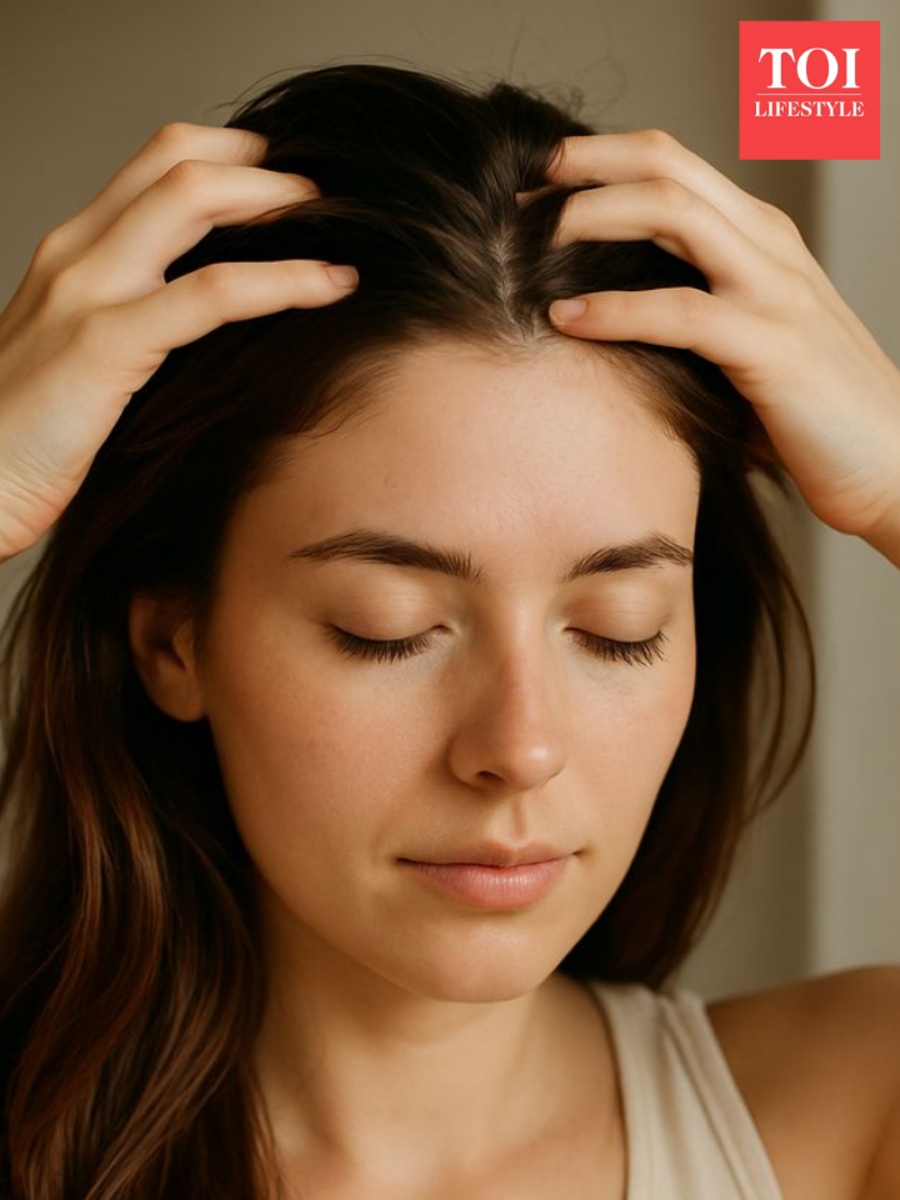
Washing your hair isn’t just about lathering up. The technique is paramount for scalp health. Instead of vigorous scrubbing with fingernails, which can irritate the scalp and potentially break the skin barrier, use the pads of your fingertips. Gently massage the shampoo into your scalp in circular motions. This helps to lift dirt, oil, and dead skin cells without causing trauma. Ensure you use lukewarm water, as very hot water can strip the scalp of its natural oils, leading to dryness and potential overproduction of oil, creating a vicious cycle.
Advanced Care and Holistic Hygiene
The Art of Thorough Rinsing
Perhaps one of the most overlooked aspects of scalp cleaning is the thoroughness of rinsing. Shampoo and conditioner residue left on the scalp can attract dirt, clog pores, and create a breeding ground for bacteria and fungi, leading directly to dandruff build-up. After shampooing and conditioning, rinse your hair and scalp under running water until every trace of product is gone. It should feel clean and light, not slick or heavy. This might take a few extra minutes, but it’s a vital step for scalp clarity.
Gentle Scalp Exfoliation
Just like your face, your scalp can benefit from occasional exfoliation to remove stubborn dead skin cells and product build-up that even regular washing might miss. In an Indian context, traditional remedies like a paste of fenugreek seeds (methi) or a yogurt and lemon mask can offer gentle exfoliation. Alternatively, consider a mild commercial scalp scrub designed for this purpose, used sparingly, perhaps once every two weeks. This practice promotes cell turnover and keeps follicles clear.
“A healthy scalp is like fertile soil for healthy hair. Consistency in cleaning and using appropriate products is far more effective than sporadic aggressive treatments,” notes Dr. Priya Sharma, a renowned dermatologist from Mumbai, highlighting the long-term perspective needed for scalp health.
Conditioning with Care
While conditioner is essential for hair shaft health, it should generally be applied primarily to the hair lengths and ends, not directly to the scalp. Rich conditioners can weigh down the scalp, potentially clog pores, and contribute to greasiness, especially for those prone to an oily scalp or dandruff. If your scalp feels dry, opt for lightweight, scalp-specific conditioners or leave-in treatments designed to be non-comedogenic and breathable.
Maintaining Regular Scalp Hygiene
Consistency is key. Depending on your scalp type and lifestyle, aim to wash your hair every 2-3 days, or more frequently if you have an oily scalp or engage in activities that cause significant sweating. Beyond washing, regularly clean your combs and brushes with soap and water to remove accumulated product, oil, and dead skin. Avoid sharing headwear, towels, or hair tools to prevent the transfer of fungal or bacterial infections. Simple daily habits, often overlooked, play a significant role in maintaining optimal scalp health in the long run.
Preventing dandruff buildup is a holistic process that goes beyond just buying an anti-dandruff shampoo. It involves understanding your scalp, choosing the right products, adopting proper washing techniques, and maintaining consistent hygiene. By incorporating these seven tips into your hair care routine, you can cultivate a clean, healthy scalp, paving the way for beautiful, dandruff-free hair.

