


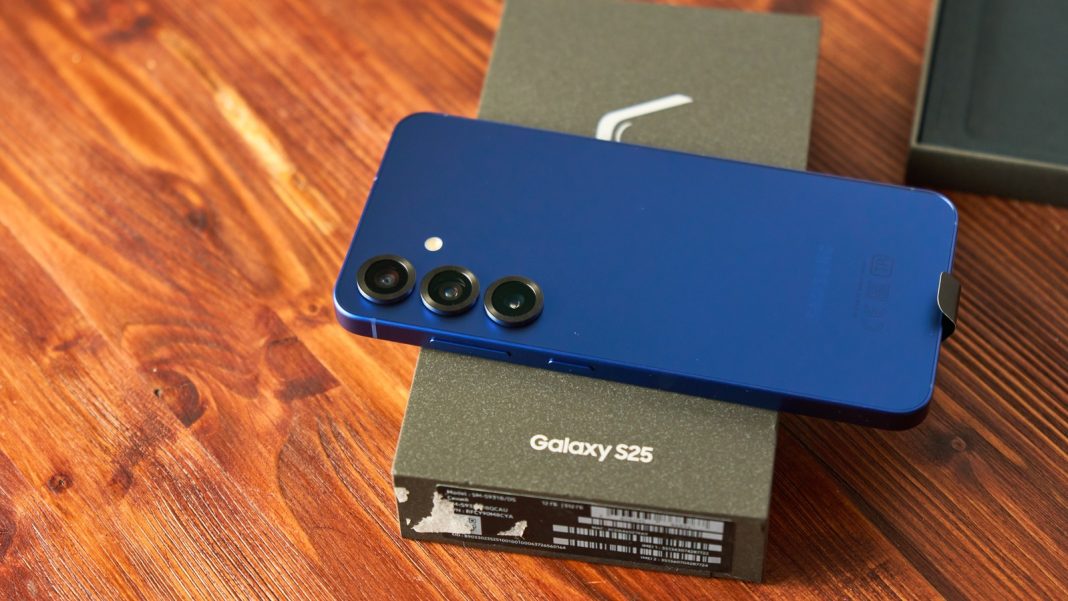
The highly anticipated Samsung Galaxy S25 is on the horizon, expected to set new benchmarks for premium Android smartphones. With Samsung’s considerable market presence and technological prowess, each new Galaxy S flagship typically commands significant attention. However, the Android ecosystem is a fiercely competitive arena, where innovation is rapid and manufacturers are constantly vying for the top spot in performance. While the S25 will undoubtedly be a powerhouse, a closer look at the trajectory of other brands reveals that several contenders are already pushing the envelope, potentially offering raw power that could even surpass Samsung’s next-gen flagship.
The “more powerful” distinction, in this context, primarily refers to cutting-edge processor performance, GPU capabilities, and efficient thermal management – crucial for demanding applications, high-fidelity gaming, and intensive AI tasks. We’re assuming the Galaxy S25 will likely be powered by the next-generation Snapdragon 8 Gen 4 or the Exynos 2500 chipset, both expected to be formidable. Yet, several manufacturers consistently focus on absolute peak performance, often deploying aggressive tuning and advanced cooling solutions that could give them an edge.
The Relentless Pursuit of Performance: Benchmarking the Future
For years, Samsung has set the standard, but other brands, particularly those with a strong focus on enthusiast segments or gaming, have carved out a niche for extreme performance. These companies often prioritize raw horsepower, integrating the latest chipsets as soon as they are available and pairing them with substantial RAM, ultra-fast storage, and sophisticated cooling systems. The competitive Indian market, known for its tech-savvy consumers, particularly values devices that can handle anything thrown at them, from graphically intense mobile games to seamless multitasking across dozens of applications.
One of the primary contenders poised to challenge the S25’s raw power will be the Xiaomi 15 Ultra. Xiaomi consistently pushes the boundaries, often being among the first to integrate the newest Snapdragon flagship chips and then optimising them for peak performance. Their “Ultra” series is a testament to their no-compromise approach, frequently featuring extensive vapour chamber cooling and custom performance modes designed to extract every ounce of power from the SoC. Given Xiaomi’s aggressive pricing and feature set in India, the 15 Ultra is expected to be a significant player.
Next on the list is the OnePlus 13 Pro. OnePlus has built its reputation on delivering “flagship killer” performance, and its Pro models are known for their speed, smoothness, and powerful hardware. With its OxygenOS, heavily optimised for performance, and a history of incorporating the latest Snapdragon processors, the OnePlus 13 Pro is anticipated to offer an incredibly fluid and potent user experience. The brand’s focus on a clean software experience combined with top-tier hardware makes it a strong rival in the high-performance segment.
Challengers Redefining Raw Power in Android
The realm of mobile gaming often dictates the pace of raw performance, and few brands are as dedicated to this as ASUS. The ASUS ROG Phone 9 (or its equivalent successor) is almost guaranteed to surpass the S25 in terms of sustained raw power. ROG Phones are purpose-built gaming machines, featuring advanced thermal solutions like external cooling accessories, higher refresh rate displays, and software optimisations tailored for gaming. While perhaps not a mainstream device like the S25, for sheer, uncompromising performance under load, the ROG Phone series consistently leads the pack.
Another strong contender emerging from the Indian market’s performance-centric segment is the iQOO 13. iQOO, a sub-brand of Vivo, has rapidly gained traction by consistently offering devices that punch above their weight in terms of raw specifications and gaming performance. Their flagships are often among the first to adopt the latest Snapdragon chips, paired with massive RAM configurations and efficient cooling. The iQOO 13 is expected to continue this trend, offering a compelling package for users who demand top-tier processing power without necessarily breaking the bank.
Finally, the Realme GT 6 Pro presents a formidable challenge. Realme’s GT series has consistently aimed to deliver flagship-level performance at a highly competitive price point, often referred to as “flagship killers.” The GT 6 Pro, expected to feature the next-gen Snapdragon chipset, will likely come with aggressive clock speeds, fast charging capabilities, and a software experience optimised for speed. Realme’s aggressive market strategy in India ensures that the GT 6 Pro will be a powerful and accessible option for performance enthusiasts.
“The premium Android market has never been more dynamic,” says technology analyst, Rohan Gupta. “While Samsung provides a comprehensive flagship experience, brands like Xiaomi, OnePlus, iQOO, and ASUS are relentlessly pushing the boundaries of raw computational power, often targeting specific user segments who prioritise benchmarks and sustained performance above all else. This competition ultimately benefits consumers, driving innovation across the board.”
While the Samsung Galaxy S25 will undoubtedly be a marvel of engineering, excelling in areas like camera technology, display quality, and ecosystem integration, the pursuit of raw, unadulterated processing power remains a core focus for many Android manufacturers. The phones mentioned above, leveraging the latest chipsets, advanced cooling, and performance-centric software, are poised to offer an experience that, in terms of sheer computational muscle, could very well outshine Samsung’s next flagship. For Indian consumers who demand nothing but the absolute peak in performance, the choices beyond Samsung are more compelling than ever before.

